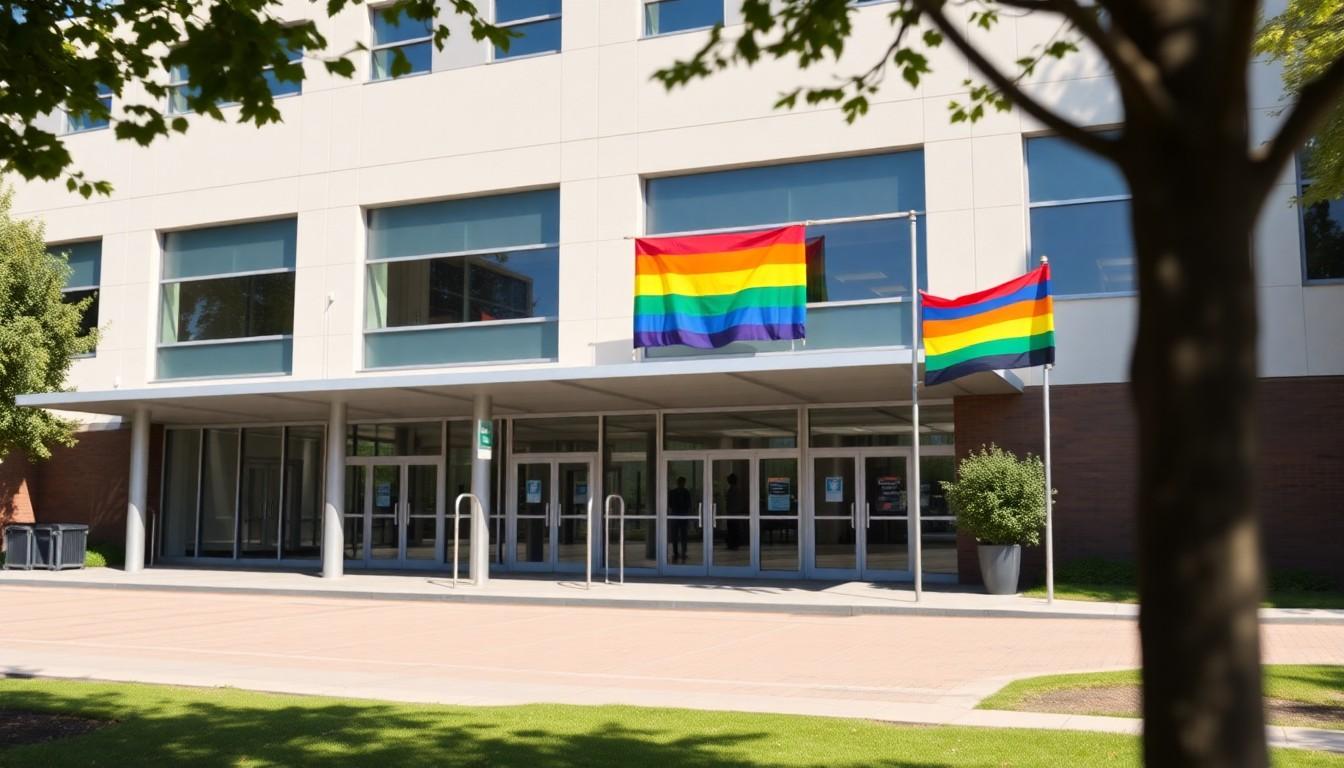
Shoppers are turning to clearer, kinder guidance as queer freshers prepare for campus life , Queerwell’s new student support guide bundles lived experience, clinical insight and practical how‑to’s to help LGBTQIA+ students find community, care and confidence from day one.
Essential Takeaways
- Clear, practical guidance: Queerwell’s guide covers name changes, trans+ medical documents and everyday wellbeing steps.
- Evidence-backed need: Recent surveys show LGBTQIA+ students report far higher rates of mental ill‑health than peers.
- Community matters: Queer students say queer-specific events and groups were transformative and eased transition.
- Campus services improving: Some universities now offer dedicated trans+ funds and strengthened community care.
- Useable tips inside: The resource blends queer voices, clinicians and neurodiversity specialists for accessible advice.
Why this guide lands at the right time
Queerwell has published a student support pack just as thousands of freshers prepare to move onto campus, and it arrives with a quiet, practical urgency. The guide feels human rather than clinical; you can almost sense the relief in the pages , the small, useful things that make day one less stressful, like clear steps to update a name or how to find local queer societies. Organisations such as Queerwell have been pushing for better mental‑health support for some time, and this resource is a visible product of that work.
Backstory matters here. Research from national student surveys has repeatedly flagged that LGBTQIA+ students experience disproportionate levels of mental distress, and charities have been responding with tailored resources. For incoming students, that means information built around real problems, not generic well‑being platitudes. If you’re anxious about paperwork or want to meet other queer people, this guide seems designed to meet you where you are.
The stats that make it essential
You don’t need a statistics degree to see why queer‑specific help is important. Large student surveys show a stark gap: LGBTQIA+ students report much higher rates of mental health conditions than their non‑LGBTQIA+ peers. That’s not just numbers , it’s late nights, missed seminars, and the emotional cost of not feeling seen. Organisations and reports cited by mental‑health charities make the same point: systemic barriers in healthcare and workplaces drive worse outcomes unless there’s targeted support.
Knowing that the problem is structural helps frame the guide as part practical manual, part advocacy tool. University‑level measures like gender recognition funds and dedicated trans support are becoming more common, but they’re not universal. This guide helps students find and access what is available, and gives them language to ask for more where services fall short.
What’s actually in the Queerwell student guide
The contents mix everyday logistics with emotional care. Expect how‑tos for updating records, navigating pronouns and documentation, and signposts to local and digital services. There are contributions from LGBTQIA+ clinicians and neurodiversity specialists, which makes the advice feel evidence‑informed and grounded in lived experience. It’s the kind of document you’d bookmark before enrolment and return to when you need a quick checklist.
Practically, the guide works as a toolkit: how to approach personal tutors, where to look for queer societies, and tips to avoid burnout. If you’re nervous about whether your university will understand trans issues, the guide points you towards institutional policies and financial supports that can make a real difference.
Campus life: finding community and joy
One of the more hopeful threads in research and testimony is that university can be a place of flourishing for many queer students. Freshers and recent graduates often describe a tangible euphoria at being surrounded by other queer people and attending queer‑specific events. That community effect isn’t trivial , it can be a major protective factor for wellbeing.
Universities are increasingly recognising this, rolling out community‑driven support and targeted funding. But institutions vary, so the guide doubles as a roadmap: where to look for societies, how to evaluate a university’s trans+ provisions, and how to build a small circle of support early on. In practice, that might mean attending one society night in week one or seeking out online groups before you even arrive.
How to use the guide and stay safe
Start by skimming the practical sections , name change steps, emergency contacts, and where to find queer‑affirming health services. Keep the parts on burnout and neurodiversity handy; starting uni is emotionally intense, and those pages give realistic ways to pace yourself. If you’re managing a transition, the guide’s advice on medical documentation and funding options is particularly useful.
And remember: advocacy and self‑care go together. If a university doesn’t offer something you need, use the guide’s templates and language to raise the issue with student services or a student union. Small interventions , a conversation with a tutor, an email to a wellbeing service , can unlock bigger supports.
It's a small change that can make every first term feel a lot more navigable.
Source Reference Map
Story idea inspired by: [1]
Sources by paragraph: