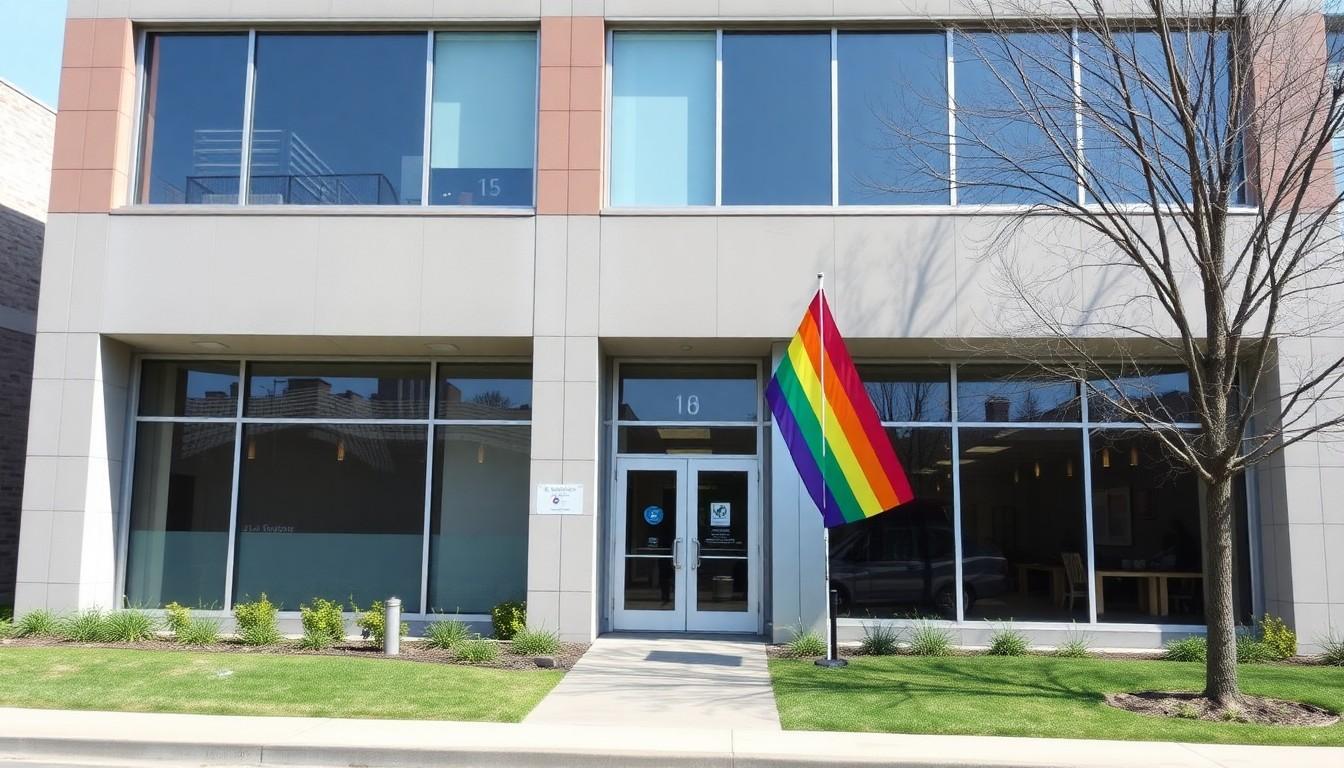
Shoppers and history-lovers are watching as Invisible Histories, a small but determined southern LGBTQ+ archive, relocates from Alabama to Charlotte , a move driven by funding cuts, political hostility, and a chance to open a permanent, accessible public archive this autumn.
Essential Takeaways
- Relocation reason: Invisible Histories moved from Birmingham to Charlotte because of humanities funding cuts and growing political hostility in Alabama.
- Public access: The new Charlotte site will be a permanent, publicly accessible archive prioritising accessibility and exhibition space.
- Major funding win: The organisation secured a multi-million dollar grant to stabilise preservation work and expand outreach.
- Collections: Holdings include material tied to Mardi Gras, AIDS-era outreach, marriage equality and regional LGBTQ organisations , tactile, emotional pieces of southern life.
- Outlook: Staff expect continued pushback but say visibility matters for preserving and using this history.
Why they left Alabama: politics and pennies
Invisible Histories’ co-founders cited a one-two punch of shrinking humanities funding and an increasingly hostile political climate in Alabama as central reasons for their departure. The work of preserving paper, photographs and ephemera is quietly expensive, and the group simply couldn’t keep standards up in a state that has seen cuts to public humanities support. According to the founders, the cost of proper storage and conservation , climate control, archival boxes, digitisation , makes being in a resource-poor state untenable. So they chose Charlotte for a more supportive environment and better resources to do the job well.
The tipping point: a lecture that drew heat
The decision to move wasn’t sudden. A 2023 talk on Alabama’s LGBTQ+ history triggered conservative media attention and prompted state lawmakers to question the archives hosting the event. That backlash included attempts to defund or restructure the state archives and a chilling effect on LGBTQ-focused public programmes. Library and archives directors told reporters the controversy came out of nowhere for something that had been planned and promoted for months. For small organisations that rely on institutional partnerships, even a single flashpoint can alter the calculus about where it’s safe and sensible to operate.
A bigger, more welcoming space in Charlotte
The new facility is being positioned as a permanent archive with room for visitors, exhibits and researchers , and it opens the door to people for whom the old basement space was inaccessible. The founders emphasise that the Charlotte site will be far more inviting: level entrances, seating to read and handle materials, and curated displays that let everyday visitors connect with stories rather than just store boxes in long-term stacks. For donors and families who’ve hesitated to give material that “disappears” into an inaccessible room, that public-facing promise matters.
Funding that changed the game
Invisible Histories recently secured significant philanthropic support, a multi-million dollar grant that will allow them to professionalise preservation, hire staff and expand outreach across the Deep South. That cash changes the organisation from a volunteer-driven project into a fully fledged archive that can digitise collections, offer research appointments and put on exhibitions. Grant funding also signals to museums and libraries that this history is worth preserving, and it helps attract smaller donors who want their communities remembered and celebrated.
What’s in the boxes , and why it matters
The collection is vivid and local: Mardi Gras paraphernalia, paperwork from AIDS-era outreach organisations, materials from early resource centres and items linked to marriage-equality campaigns. These objects carry smell, handwriting and the small, human details that make history feel alive. Archivists stress that preserving such items helps communities understand their roots and fight erasure. Practically, if you’re thinking of donating, look for provenance (where it came from), basic condition notes and whether the organisation can offer public access , those factors make material most useful for researchers and storytellers.
Expect more battles, but push for preservation
Relocating doesn’t remove the risk of criticism; founders expect future pushback and say they’re prepared to defend the archive. But they also frame visibility as a form of resistance: keeping collections accessible is a way to honour past activists and provide resources for future organising. If you’re a supporter, consider volunteering, donating documents or funding conservation: tangible help now makes it easier to keep these stories in the open for decades.
It's a small change that can make every piece of southern queer history easier to find and harder to ignore.
Source Reference Map
Story idea inspired by: [1]
Sources by paragraph: