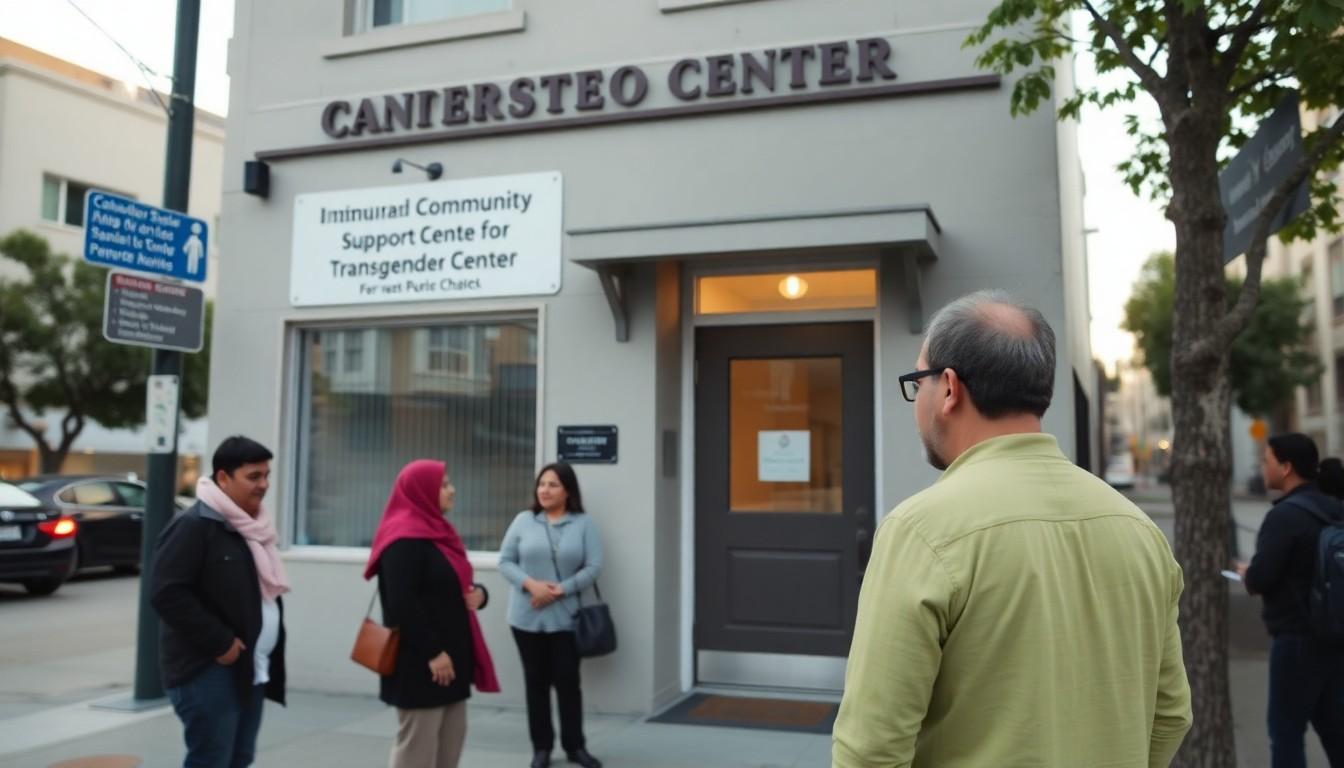
Shoppers and supporters are rallying: Parivar Bay Area, the San Francisco cultural centre serving South Asian and Global South transgender immigrants, has lost its physical space and paused core programmes after two years without public funding , a sharp reminder that niche, intersectional services still struggle for stable grants.
Essential Takeaways
- Core services paused: Parivar has closed its cultural centre and paused key programmes after failing to secure public grants for two consecutive years.
- Deep community reach: The organisation estimates it served roughly 9,000–20,000 people annually and claims to have helped more than 104,000 people since 2018.
- Funding shortfall: Parivar is now seeking under $495,000 to rebuild on a smaller footprint, down from an initial ask of $1.1 million.
- In‑person security matters: Staff say face‑to‑face clinics provided a safer option for clients worried about ICE surveillance than online services.
- Culturally specific care: Parivar centres Hijra, Kinnar and Global South trans immigrant experiences , a service gap other large groups often don’t fill.
Why losing Parivar’s space hits harder than it sounds
Parivar’s centre was more than an office; it was a quiet, lived‑in place where people could speak their first language and not explain their identity at every turn. The loss registers as a sensory thing , no more shared chai, no safe corners for translation or warm handshakes at a job workshop.
According to reporting, Parivar’s co‑founder Anjali Rimi says the centre answered a very particular intersectional need that larger service providers often miss. That matters because many clients are wary of online outreach given heightened immigration enforcement, so losing a physical clinic reduces trust and access.
If you’ve ever relied on face‑to‑face help, you know it feels more secure; for Parivar’s community, that’s a practical barrier as well as an emotional loss.
How Parivar’s programmes worked , and why they mattered
Parivar combined legal clinics, leadership training and cultural events to “serve the whole person.” Their immigration relief work included partnering with law firms to help translate asylum narratives, while leadership cohorts offered stipends and job‑search support.
Graduation photos and Diwali celebrations weren’t just PR , they were part of building belonging for people who might otherwise be cut off from both South Asian communities and LGBTQ+ spaces. That dual role is why Rimi and supporters argue the group isn’t interchangeable with broad immigrant or queer services.
Practical note: services that speak the languages and cultures of clients often boost uptake and outcomes, so funders looking at reach should value cultural congruence, not just headcounts.
What happened with city and state funding
Parivar historically relied heavily on public grants, reportedly receiving roughly $1 million from state and city sources over recent years. This funding stream dried up for the current budget cycle, with the department that awards housing and community grants saying Parivar wasn’t eligible to apply in the latest round.
City spokespeople have defended the broader budget as preserving many LGBTQ and immigrant services despite fiscal pressure, while a smaller $150,000 extension is slated to go before the Board of Supervisors. Advocates, including Supervisor Bilal Mahmood, are pushing to keep something in place.
In plain terms: budget technicalities and shifting procurement windows can mean small, specialised groups fall through the cracks even when a city says it supports the community.
The human story behind the headlines
Rimi’s own migration from India and lived experience as a Kinnar person shaped Parivar’s mission. She built the group to offer what she hadn’t found: safety, legal help and culturally aware support. Beneficiaries like Alessandra Garcia describe Parivar as life‑changing , practical help with CVs, rights education and stipend support while jobhunting.
That personal link is what makes Parivar’s potential closure feel intimate; it’s not only about services on a spreadsheet, it’s about people who would otherwise be left navigating hostile systems alone.
What this means for funders and supporters , and what you can do
The Parivar case is a reminder that intersectional organisations often require different funding timelines and smaller, more flexible grants. If you care, local supporters can press supervisors, donate to the fundraiser on Parivar’s site, or volunteer skills like legal translation and fundraising.
For funders: consider multi‑year, renewal‑friendly contracts and outreach that recognises cultural competence as an outcome, not a nice‑to‑have. For neighbours: even small donations or attending a council meeting can make a difference when procurement windows and budgets are stacked against grassroots groups.
It’s a small change that can make every support service last a little longer.
Source Reference Map
Story idea inspired by: [1]
Sources by paragraph: