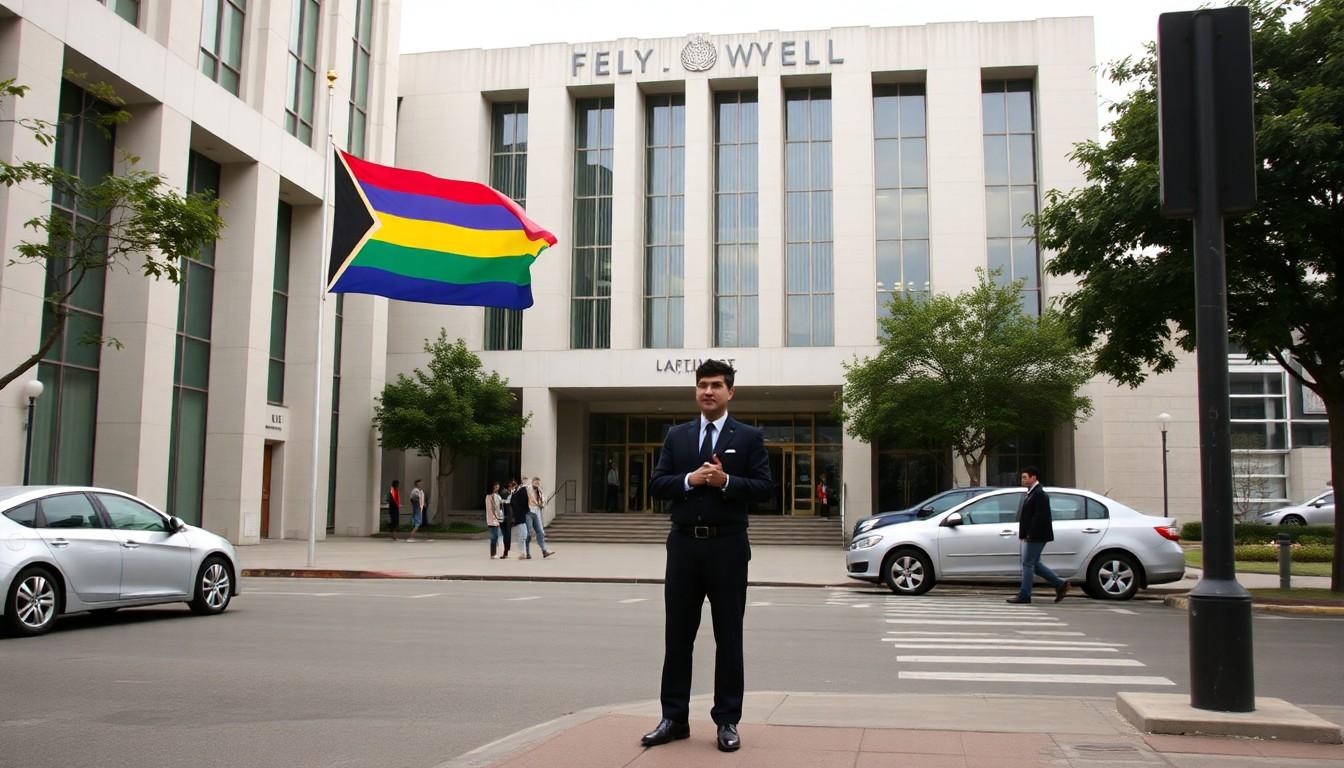
Shoppers of ideas are already pushing back , South African activists and allies have launched a petition urging the government and the public to reject a planned Pan-African “family values” conference in Cape Town next May, arguing it’s part of a widening anti-rights push targeting LGBTQ+ people, women and diverse families. This matters because it tests South Africa’s constitutional commitment to equality and could influence laws and discourse across the continent.
Essential takeaways
- Petition momentum: A petition organised by MambaOnline has drawn thousands of signatures calling on South Africa to reject the conference and spark public debate.
- Conference basics: The Pan-African Conference on Family Values (PACFV) is scheduled for Cape Town in May 2027 and is linked to conservative networks active across Africa.
- Organisers named: The event was announced by the Africa Christian Professionals Forum and is to be organised by the Family Policy Institute, a Cape Town-based group with a record of campaigning against LGBTQ+ and reproductive rights.
- Regional pattern: Similar anti-rights gatherings , inter-parliamentary conferences and summits , have been staged or planned elsewhere in Africa, signalling a coordinated push.
- Why it matters locally: Activists say the conference could seek to influence public policy and social attitudes at a moment when South Africa’s constitutional values are often held up as a continental benchmark.
Why activists in South Africa are sounding the alarm
MambaOnline kicked off the public push with a petition that’s already pulled in several thousand signatures, a clear sign that many people feel uneasy about hosting the event. The petition is meant to do more than protest; it’s designed to start a national conversation about where the country stands on rights and inclusion. According to campaigners, there’s a stark emotional element here , for many LGBTQ+ people and allies the prospect of a formal summit stokes fear about increased stigma and policy rollbacks.
People behind the petition argue this isn’t an isolated conference but part of a wider pattern of meetings and campaigns across Africa that challenge sex education, reproductive rights and the legal protections LGBTQ+ communities rely on. So, for civil-society groups, responding now is about shielding hard-won gains and reminding the public of the Constitution’s commitment to equality.
Who’s organising and why that matters
The Africa Christian Professionals Forum announced the Cape Town summit and the Family Policy Institute is listed as organiser. Those names matter because both have histories of public campaigning against LGBTQ+ rights and comprehensive sexuality education. That background is why advocates describe the event as a “hate conference disguised as family values” , a phrase meant to highlight the tension between the language of protection and the groups’ policy agenda.
Understanding the organisers helps when assessing the likely themes and tactics of the conference. If previous gatherings elsewhere are any guide, expect speeches and materials framing traditional family structures as under threat, plus calls for stricter limits on education and reproductive health policy. For policymakers and community leaders, that’s a cue to scrutinise invitations, funding and the event’s legal footprint in South Africa.
Regional trend: conferences are popping up across Africa
This Cape Town event sits alongside a conveyor belt of similar gatherings. Last year, an African Inter-Parliamentary Conference on Family Values and Sovereignty met in Ghana and its organisers announced plans for more events in 2027. That pattern shows coordination across borders and institutions, which raises the stakes: messages and networks built at one meeting can be repackaged and used in different countries.
Campaigners worry the conferences create a ripple effect. A policy idea aired in one capital can be lifted by politicians elsewhere, turning an organised moral panic into legislative proposals. If you care about how laws are shaped, this isn’t just background noise , it’s a potential influence machine.
What South Africa’s response options look like
There are practical paths the country , and citizens , can take. Public consultation is one: forcing a transparent conversation about the conference’s aims, speakers and funding would let civic groups probe claims and hold organisers to account. Another route is legal and administrative: authorities can examine permits, foreign funding, and event registration to ensure everything complies with South African law.
For everyday people, joining the petition is a start, as is attending public forums or writing to MPs to ask how the government plans to protect constitutional rights. Media outlets and universities can also insist on balanced debate rather than platforming unvetted claims. In short, a mix of civic pressure and administrative scrutiny can blunt the event’s potential harms.
What this means for communities and the outlook
For LGBTQ+ people, women and families who don’t fit a narrow mould, the conference represents a symbolic threat that could translate into real-world marginalisation. For defenders of pluralism, the moment is a test: will South Africa uphold its founding values or allow external networks to use its cities as staging posts for rollbacks elsewhere?
Looking ahead, expect more mobilisation. If the petition and public scrutiny keep momentum, the conference organisers may face tougher questions and greater media attention than they anticipated. And that’s a good thing , public scrutiny can force transparency, and transparency reveals whether “family values” rhetoric is really about care, or about restricting rights.
It's a small change that can make every civic debate a bit clearer: insist on transparency, protect rights, and keep the conversation public.
Source Reference Map
Story idea inspired by: [1]
Sources by paragraph: