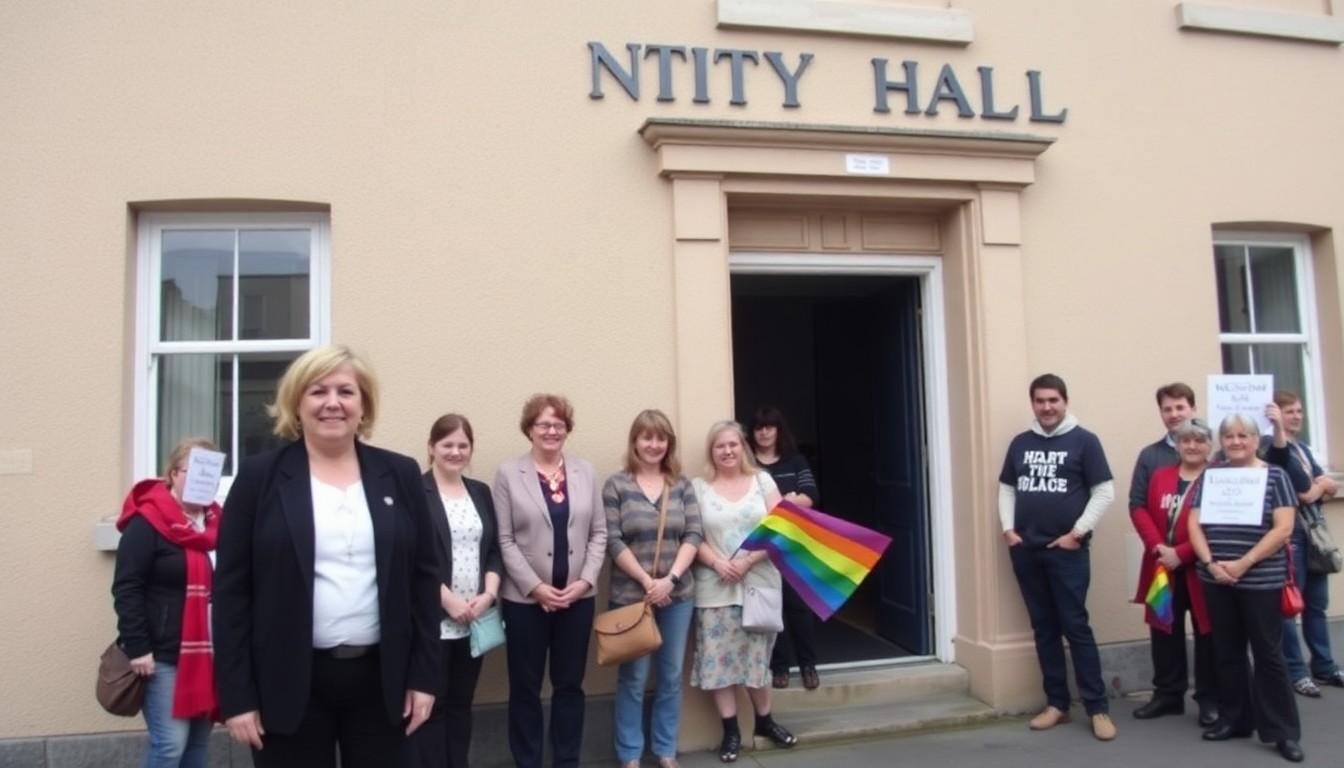
Shoppers and locals watched as party activists marched through Newry this weekend, with Workers Party representative Nicola Grant leading a vibrant delegation , family, youth members and local branch activists , to back Pride and press for hate-crimes legislation that still hasn’t arrived. It mattered because visibility meets demands.
Essential Takeaways
- Strong turnout: The Pride parade in Newry was noticeably larger this year, with more people lining the streets in solidarity.
- Cross-generational presence: The delegation included Workers Party youth, local branch activists, central committee reps and family members, giving a warm, communal feel.
- Clear political asks: Marchers pressed for delivery of hate-crimes legislation and a broader Bill of Rights as long-promised protections.
- Ongoing frustration: Activists say political rhetoric has outpaced action on LGBTQ+ protections in Northern Ireland.
- Community energy: Events were celebratory , concerts and fun , but the core message about rights remained prominent.
A louder Pride on Newry’s streets , and a personal touch
This year’s Pride in Newry felt louder and brighter, with a cheerful, almost festival-like buzz that contrasted neatly with the seriousness of the message. Nicola Grant, the Workers Party representative for Newry and Armagh, led a delegation that mixed the political and the personal , her daughter walked alongside party youth and central committee members. That blend of family warmth and organised activism made the march feel both inclusive and purposeful.
According to local coverage, organisers deserve credit for packing the route and keeping momentum all day. The presence of young activists gave the procession a fresh, hopeful energy, while older campaigners kept the demands , like hate-crimes legislation , firmly in view. If you were watching, it was hard not to feel the optimism and the impatience at the same time.
Pride as protest: celebration with a clear demand
Pride is always part party, part protest, and in Newry the balance was clear. There were concerts and street fun, but marchers repeatedly returned to the same ask: deliver the hate-crimes bill and meaningful legal protections. Campaigners argue that celebration is necessary to build public support, yet ceremony alone won’t change statutes.
Industry and civic commentators have noted similar dynamics across Northern Ireland, where public sympathy hasn’t always translated into legislative change. The Workers Party has publicly maintained longstanding support for the rights Pride highlights, framing the parade as a chance to put fresh public pressure on politicians.
The political backstory: promises, agreements and a gap in delivery
There’s a longer story behind this weekend’s placards. Activists point to promises made in landmark agreements and the repeated calls for a Bill of Rights that would enshrine protections, including tackling hate crimes and even proposals around femicide clauses. According to public records and policy platforms, the Workers Party has pushed these themes for years.
But community organisers and campaigners say the current political system has too often offered platitudes rather than laws. That frustration fuels why parties and grassroots groups still turn out in force: visibility keeps the issue in the public eye and reminds politicians that the demand for legal change hasn’t gone away.
How local parties fit into broader advocacy work
Local branches and youth wings turned up in Newry not just to hold banners but to show a coalition in action. When political groups march shoulder to shoulder with community activists, it signals both solidarity and strategy: you both celebrate and keep the pressure on elected leaders. For voters, it’s a reminder that local politics and national lawmaking are woven together.
If you’re deciding how to support efforts like these, consider simple steps: join local events, write to your MLA, or back organisations doing legal work on rights and hate-crimes. Small actions from many people often nudge big institutions to act.
What to watch next: from parades to policy
The mood at Pride was joyful but pointed, and organisers and attendees will now be watching how politicians respond. Expect activists to step up lobbying, bring constituent pressure to local representatives, and use community events to keep momentum. If legislative inertia continues, public demonstrations like Newry’s will probably grow louder and more frequent.
And for a human moment , seeing families among the marchers reminded many that policy debates affect real people’s lives. That’s the kind of image that tends to resonate when decisions are being made in Stormont or beyond.
It's a small change that can make every march matter: keep showing up, and keep asking for the laws to catch up with public support.
Source Reference Map
Story idea inspired by: [1]
Sources by paragraph: