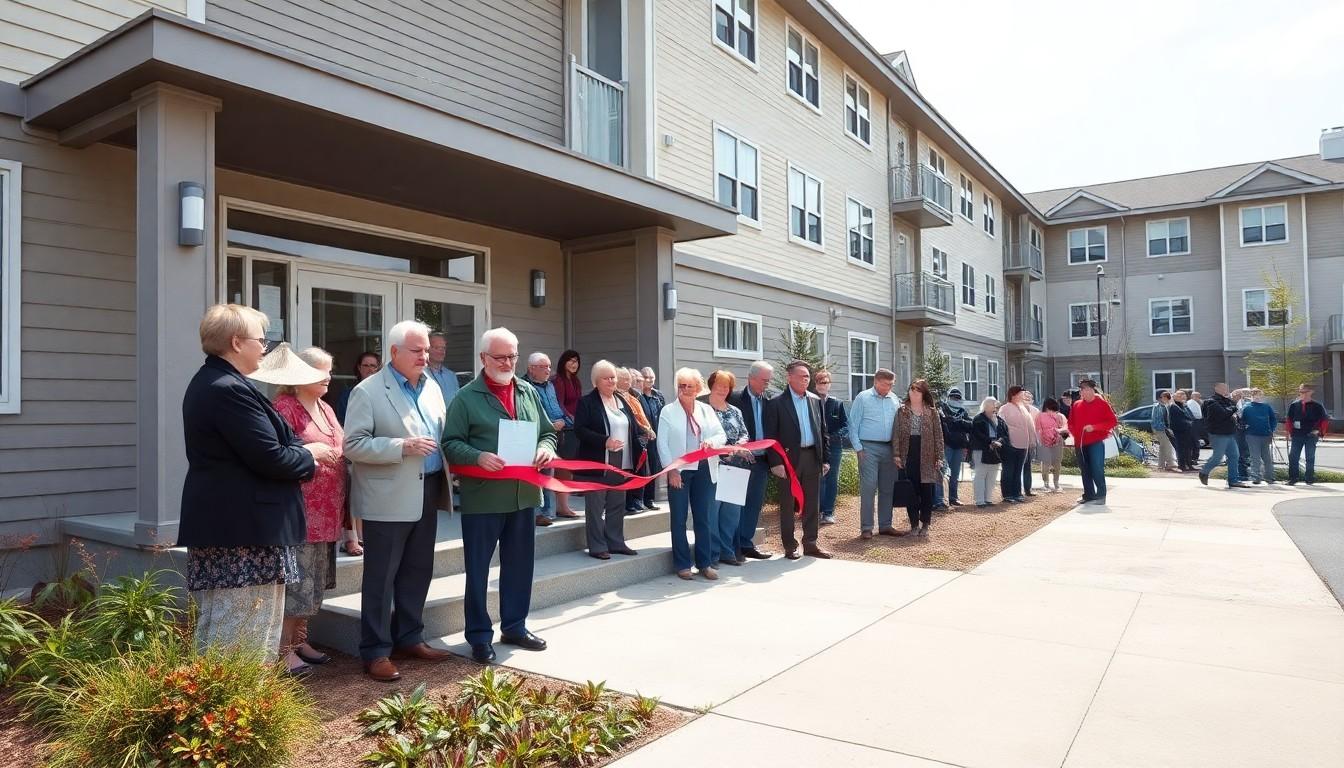
Shoppers are noticing a different kind of opening , older LGBTQ+ Mainers finally have a place to call home. The Equality Community Center in Portland has unveiled Community Commons, Maine’s first affordable senior housing community with services tailored to LGBTQ+ older adults, and the waitlist is already packed.
Essential Takeaways
- Location and scale: Community Commons sits on Casco Street in Portland and offers 54 affordable units for residents aged 55 and up.
- Affordability: Units are targeted to households earning roughly 50–60% of Greater Portland’s median income, making them realistically within reach for many seniors on fixed incomes.
- Inclusive services: The building pairs housing with supportive programming aimed at LGBTQ+ older adults, though residents of any sexual orientation or gender identity can apply.
- Demand is high: More than 250 people have already signed up for the waitlist, and some apartments are already occupied.
- Safety and history: The project grew from a recognised need , many older LGBTQ+ people faced discrimination earlier in life and need safe, affirming housing now.
Why this matters: safety, dignity and something long overdue
Portland’s Community Commons lands as a practical, tactile response to years of exclusion; the building looks calm and welcoming, and inside it aims to feel that way too. According to reporting from local outlets, the Equality Community Center marked the opening with a ribbon-cutting on 19 August, and the emotion was obvious , for many attendees this isn’t just housing, it’s safety and dignity secured. For older LGBTQ+ people who remember refusals and hostility, the simple relief of a stable home is powerful.
Backstory: grassroots organising and shifting policy made this possible. The Equality Community Center pushed the idea for years, and local partners and funders came on board. Industry coverage places the project within a broader trend of cities adding targeted affordable housing options for marginalised seniors. Practical tip: if you or someone you support needs a spot, get on the waitlist sooner rather than later , demand is high.
Who can move in , and how the residency works
Community Commons is aimed at people 55 and older, but it’s explicitly open to all sexual orientations and gender identities; the focus on LGBTQ+ needs simply shapes programming and support. The 54 units are income-restricted, set for households at about 50–60% of area median income, which helps keep rents affordable for people on Social Security or modest pensions.
The Equality Community Center runs housing intake and keeps an active FAQ and application portal online. If you’re considering applying, gather income documentation and ID early, and check whether local preferences or priorities apply , that can shorten waiting time. And remember: some apartments are already occupied, proving the model works in practice, not just on paper.
What life in the building will feel like
Expect community-focused services beside the usual amenities. The centre plans programming tailored to social connection, health navigation and supportive services, so the loudest selling point is less about a kitchenette and more about neighbours who understand one another. Residents told reporters they appreciated the “equal” and “safe” messaging; for many, the quiet comfort of a judgement-free hallway matters as much as the rent.
Compare this to generic senior housing and the difference is subtle but real: staff training, targeted outreach, and an on-site ally organisation shift the atmosphere. Practical advice for visitors: be prepared for warm, intentional programming like peer support groups and events that celebrate queer histories and cultures.
Where this fits in the wider housing picture
Portland’s move is part of a growing municipal and non-profit effort to meet the needs of ageing, marginalised populations. Coverage by planning and local news outlets notes similar projects popping up elsewhere as advocates push for culturally competent options for seniors. That pressure comes as housing costs rise and an increasing share of older adults need affordable, supportive living.
Policy watchers say targeted housing can reduce isolation, improve health outcomes and cut costly emergency care , reasons funders are paying attention. If you work in housing or elder care, this model may be worth watching or replicating: it combines affordability with community-based supports in a modest but replicable footprint.
How to apply, support or learn more
If you’re interested, head to the Equality Community Center’s housing pages and FAQ for application details and eligibility guides. The waitlist is open and already includes hundreds; getting on it early is the single best move. And if you’re a neighbour or philanthropist, consider volunteering or donating to sustain the supportive services that make the building more than four walls.
This isn’t a full solution to Maine’s housing crunch, but it’s an important, human step , and for many older LGBTQ+ Mainers, a reassuring one.
It's a small change that can make every future evening feel a little safer.
Source Reference Map
Story idea inspired by: [1]
Sources by paragraph: