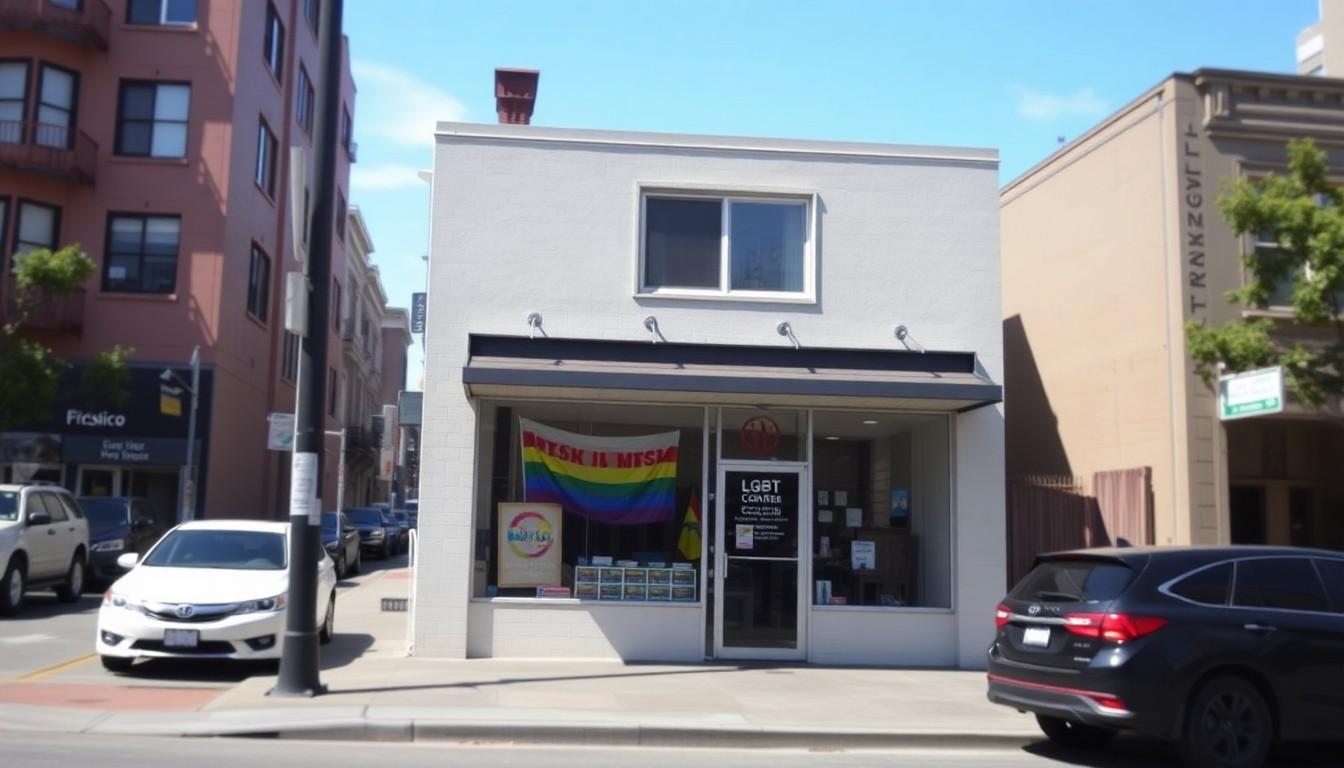
Shoppers of goodwill and local allies are rallying as Parivar Bay Area prepares to leave its Turk Street home; the trans-led immigrant group is scrambling to secure funding and a smaller, sustainable space so it can keep serving vulnerable South Asian and Global South transgender immigrants in San Francisco.
Essential Takeaways
- Core services paused: Parivar has put flagship programs like its Immigrant Emerging Leadership Program on hold while it seeks funding and space, leaving more than 200 applicants waiting.
- Budget slashed: The organisation trimmed a planned $1.1m budget to about $493,000 amid steep public funding reductions and rising overhead.
- Short-term lifeline: Parivar raised $10,000 of a $15,000 space appeal and is awaiting a potential $150,000 reimbursement from a previous city grant.
- Strong local allyship: The San Francisco AIDS Foundation, SF LGBT Center and several city supervisors are advocating for continued support and collaboration.
- Physical space matters: Leaders stress losing the office is more than logistics , it breaks daily connections for people who rely on Parivar for trust and cultural safety.
Why Parivar’s move out of Turk Street feels like more than losing an office
The empty rooms on Turk Street carry a quiet ache; for staff and community members that lived-work rhythm mattered, not just the square footage. Parivar’s co-founder Anjali Rimi says the space embodied pride and legacy, and its closure signals a hard fiscal reality rather than a choice. Parivar opened the Turk address less than a year ago but couldn’t sustain rent as public funding and grants dried up. According to reporting, most of the group’s historic support has been public, a proportion that rose since COVID, so when those lines tightened the organisation felt it immediately. Think of it this way: when a culturally specific frontline group loses a base, it’s not a service that vanishes , it’s a trusted, in-person doorway that closes. If you’ve benefited from grassroots support before, you’ll know that rebuilding that trust takes time and a physical presence.
The money question: reimbursement, grants and a narrow runway
Parivar is in a holding pattern while a possible $150,000 reimbursement from a prior city grant is negotiated; if approved, it could stabilise operations but won’t restore pre-cut capacity. City leaders including Board President Rafael Mandelman have pledged to push the issue when the Board returns from recess. The organisation’s leaders point out they delivered results tied to earlier contracts, and this funding would effectively be paying for work already completed. But even with that infusion, Rimi cautions Parivar will need to rework its model, rely more on volunteers and scale services to match realistic resources. For donors and funders weighing support, the clear need is bridge funding that buys time to diversify income , small grants for rent, multi-year operating support and partnerships that share administrative overhead would make the biggest difference.
Community solidarity: how local nonprofits are stepping in
Local institutions have been quick to offer moral and practical support, even if temporary solutions don’t yet solve the long-term puzzle. The San Francisco AIDS Foundation and the SF LGBT Center have offered space talks and collaboration, while advocacy groups have pushed back against sweeping budget cuts. Those offers matter: the SF LGBT Center explored a no-cost interim arrangement and other orgs have opened doors to storage or shared rooms. But timing and capacity mismatches meant nothing could be finalised before the move-out. This is a case where coalition politics matters: when community groups coordinate, they can preserve services even as funding models change. It’s also a reminder that not every organisation can be easily folded into another without losing cultural specificity.
What Parivar’s reduced programming means on the ground
More than 200 people applied this year for Parivar’s leadership programme, and that cohort was paused , a concrete example of how budget cuts ripple into real lives and stalled careers. Rimi stresses that stipends and wraparound support aren’t luxuries; they’re the scaffolding that lets graduates engage civically and economically. Parivar continues some grassroots supports, such as legal referrals through partners and the Transgender Immigrant Legal Access & Relief Fund, but the shift from full case management to referral-based help is a step down for many clients who need holistic aid. If you’re a potential funder, volunteer, or partner, think about what would make the biggest immediate difference: funding participant stipends, underwriting a tiny permanent workspace, or supporting case management capacity.
Rebuilding smarter: smaller footprint, rooted mission
Facing an uncertain autumn, Parivar is pivoting back toward its grassroots origins and exploring very small, affordable spaces , perhaps 100–200 sq ft , while keeping its 501(c)(3) status and partnerships intact. Rimi describes the strategy as a careful rebuild rather than surrender. That scale-back is practical and honest. Smaller offices mean lower rent and flexible hybrid service delivery, but they also require sharper fundraising, clearer program prioritisation and strong volunteer pipelines. The hopeful bit is the organisation’s resilience. Parivar’s leaders speak in grounded terms about resilience, immigrant dreams and a commitment to remain in San Francisco; they expect to know more by October about what shape the group will take.
It's a small change that can make every connection stay intact , and San Francisco’s queer immigrant community will be watching and helping where it can.
Source Reference Map
Story idea inspired by: [1]
Sources by paragraph: