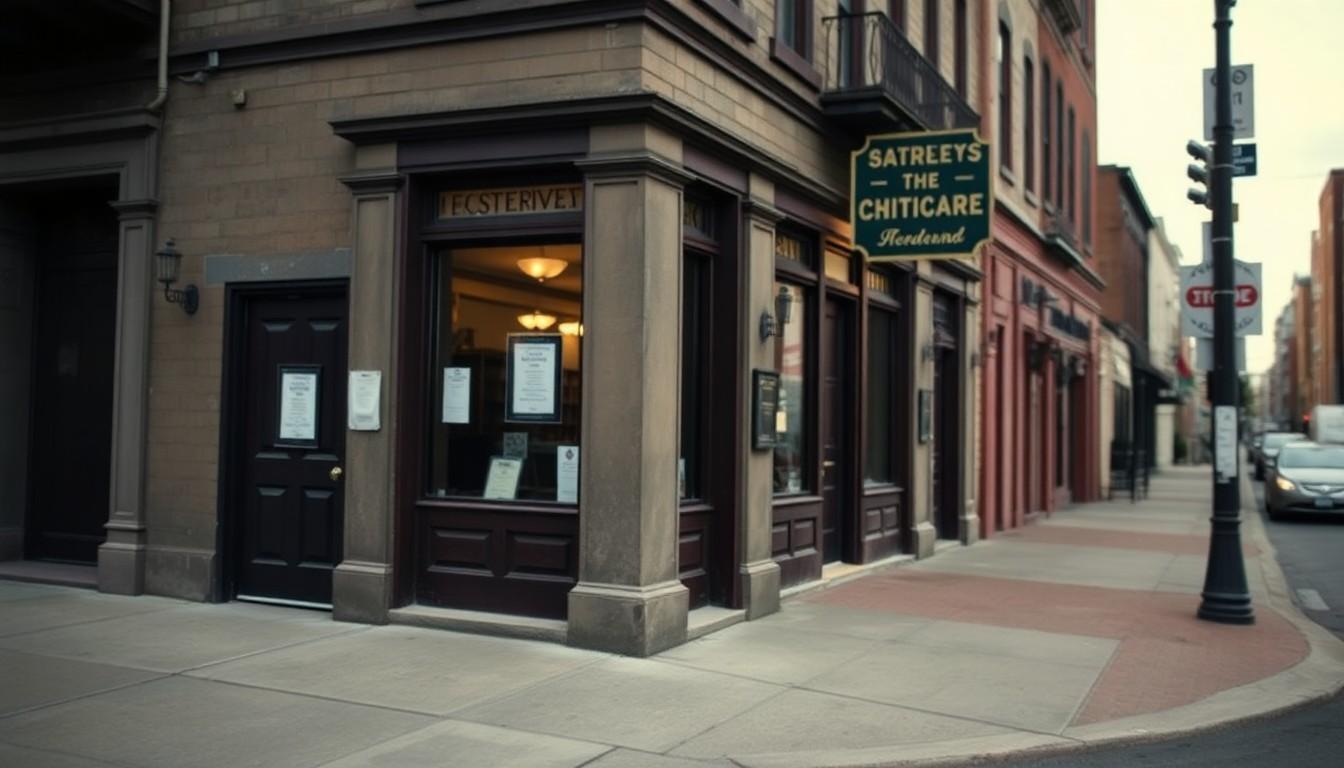
Shoppers are noticing a new kind of preservation fight in Baltimore: neighbours and activists are scrambling to save Leon’s, one of the city’s last remaining gay bars, a living piece of queer history that matters for community, memory and nightlife. Here’s what’s happening, why it matters and how you can help.
Essential Takeaways
- Historic venue: Leon’s is one of Baltimore’s oldest gay bars, with roots stretching back to the era when being out was illegal and the space offered vital refuge.
- Recent closure: The bar has temporarily closed following the death of its longtime owner, leaving its future uncertain and locals anxious.
- Community value: Patrons describe Leon’s as more than a pub , it’s a social hub, a place of memory, and a rare surviving queer institution in Mount Vernon.
- Preservation push: Local advocates and preservationists are weighing options, from historic designation to community-led buyouts, to keep the bar operating.
- How you can help: Attend vigils, donate to verified funds, sign petitions, or support local queer businesses to sustain the neighbourhood’s cultural fabric.
Why Leon’s matters: more than a bar, a refuge with a soft, storied hum
Leon’s feels like a pocket of time you can step into, where the lighting is low and the banter is immediate. According to reporting in local outlets, for generations it’s been a place where gay men , and later the wider LGBTQ community , found shelter when being out carried real risk. That atmosphere of quiet solidarity is part of why people are fighting to save it now.
The story of Leon’s is tied to Maryland’s past legal and social landscape; before Stonewall, venues like this were often the only public places for queer people to meet. That history is visible in the way older patrons talk about the bar: soft-spoken, wary at first, then warming as memories surface. Preserving Leon’s is about keeping those memories alive.
What went wrong , and what “temporarily closed” really means
The bar’s recent closure followed the death of Ron Singer, the owner whose stewardship kept Leon’s doors open for years. Local reports say the shutdown is currently temporary, but temporary can stretch into permanent without a plan. Patrons and neighbourhood blogs have been candid: they’re worried about leases, taxes and the temptation for property owners to flip the space.
This pattern isn’t unique to Baltimore. Cities across the US have seen long-standing queer venues vanish because of rising rents, developer interest, or the absence of succession plans. For Leon’s, the immediate questions are practical , who will run it, can a buyer be found who respects its culture, and will building owners entertain preservation-minded proposals?
Preservation options: from landmarking to community ownership
There are a few routes people are exploring. Preservation groups sometimes pursue historic designation for culturally significant sites, which can add protections and access to funding. Preservation Maryland and local advocates have increasingly recognised LGBTQ places as part of the state’s heritage, and that approach could be relevant for Leon’s.
Another model is community purchase or a co-op: regulars and supporters pool funds to buy and operate a beloved space. It’s not easy , legal costs, ongoing management and fundraising are real hurdles , but it keeps decision-making local and the bar’s character intact. A third route is a sympathetic buyer who commits to preserving Leon’s identity in lease terms.
How locals are organising , and how you can join in without making it about you
People who love Leon’s have started small, practical actions: vigils, social media campaigns and local fundraisers that remind city officials and owners the bar matters. These gestures do more than tugs at the heartstrings; they create public pressure and show potential partners that the business has community backing.
If you want to help, start locally and verify. Attend community meetings or vigils, share official donation links rather than private pleas, sign petitions pushed by established groups, or support nearby queer businesses to keep the neighbourhood viable. If you’re an owner or landlord, consider flexible lease terms or a phased sale to give the community time to organise.
What this fight tells us about queer spaces in 2026
The scramble to save Leon’s is a familiar refrain: beloved queer venues are shrinking in many cities, and each loss erases a thread of living history and social support. Yet these fights also show how communities rally when a space is threatened. The civic energy around Leon’s suggests people still value the tactile warmth of a place you can walk into and know you belong.
Looking ahead, the smartest preservation efforts will combine emotional storytelling with hard-nosed planning , legal advice, funding strategies and an honest appraisal of what the bar needs to survive. That blend gives Leon’s the best shot at remaining a place where people make new memories and pass on old ones.
It's a small, human fight with big cultural consequences , worth watching, and worth joining if you can.
Source Reference Map
Story idea inspired by: [1]
Sources by paragraph: