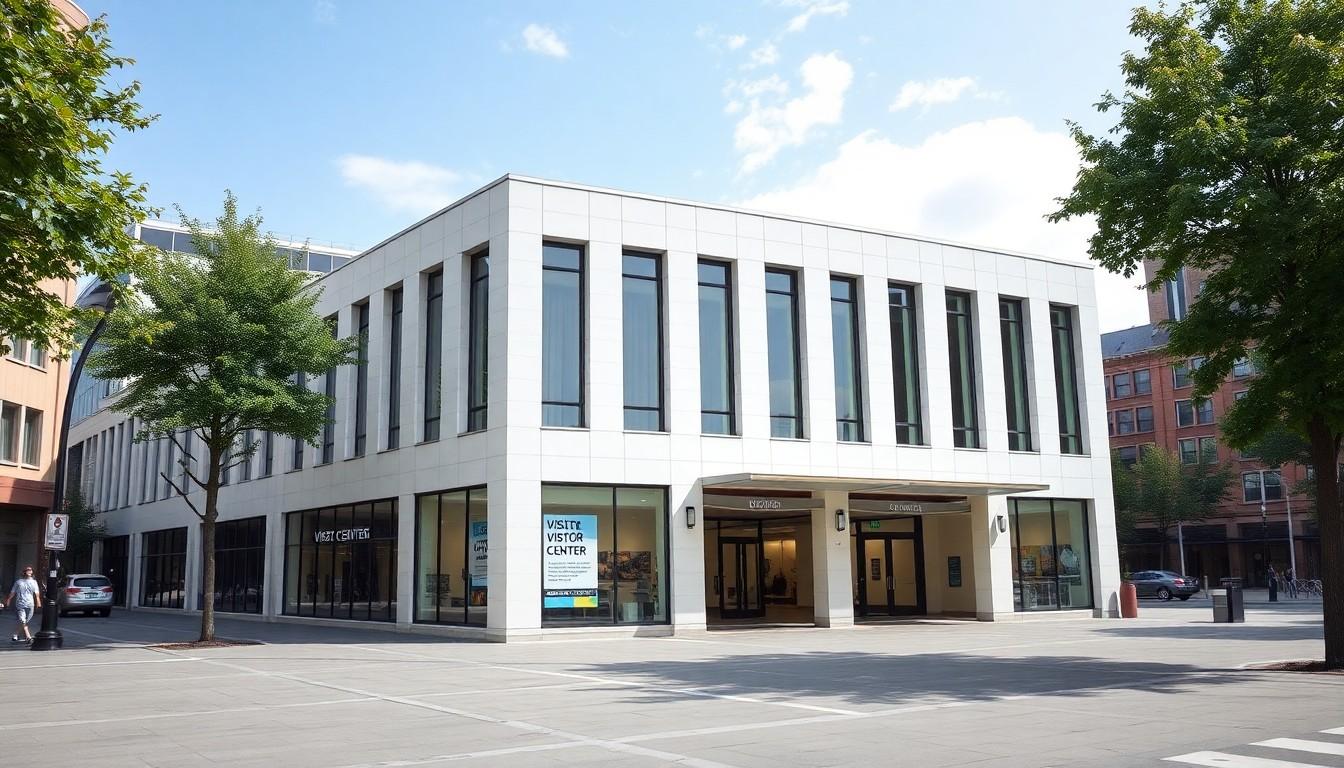
Shoppers, visitors and history buffs are noticing how local LGBTQ+ groups and governments are folding queer history into America’s 250th , from Pride passport trails to publicly funded visitor centres , reminding us that the nation’s story includes LGBTQ+ people and their contributions.
Essential Takeaways
- Pride passport: Visitors can pick up and stamp a free LGBTQ+ passport at the Stonewall National Monument Visitor Center and the Philly Pride Visitor Center, with a commemorative tote bag as a reward, making history into a tactile trail.
- Public funding milestone: Philadelphia’s Philly Pride Visitor Center is the first publicly funded LGBTQ+ visitor centre in the US, serving as both history museum and welcome hub.
- Museums joining the story: Major exhibitions, like the Museum of the American Revolution’s America 250 displays, explicitly tie the Declaration’s promises to LGBTQ+ activism, with visual cues such as a large rainbow flag.
- Local programming matters: Cities from Boston to Aurora, Colorado, are running tours and talks that foreground regional queer histories, which helps anchor national anniversaries in local experience.
- Preserve to be visible: Advocates warn that without deliberate collection and curation, LGBTQ+ stories risk being left out of the nation’s commemorations.
Why a Pride passport turns tourism into storytelling
The idea is delightfully simple and sensory: you collect a stamp, you get a tote bag, and you’ve made a small, lasting connection between two historic sites. According to the National Park Service, a Pride Passport links the Stonewall National Monument Visitor Center with other institutions, encouraging people to visit both ends of this story. This sort of hands-on programme helps bridge centuries , from Revolutionary-era figures like Baron von Steuben to the modern Stonewall uprising , by giving visitors a fun reason to look closer. For travellers, it’s a practical tip: pick up the passport at either centre and plan your trip to include both stamps to get the souvenir. It’s a tourism nudge with a purpose: turning casual sightseers into intentional learners.
Philadelphia’s bold step: a publicly funded Pride visitor centre
Philadelphia’s Philly Pride Visitor Center isn’t just another tourist office; it’s the first publicly funded visitor centre in the nation focused on LGBTQ+ history and welcome. The centre combines exhibition space with practical information for LGBTQ+ visitors to the city where the Declaration of Independence was signed. That move reflects a civic decision to make queer history visible and civic-funded, which matters at a time when museums and public institutions still decide whose stories get space on museum walls. For organisers and local governments considering similar projects, the lesson is clear: public funding signals that LGBTQ+ history is part of the civic patrimony, not a niche add-on. If you’re a local activist thinking about pitching a centre, emphasise visitor-services benefits as much as the historical case , tourism dollars often sway municipal budgets.
Museums are reframing the Declaration as a living document
Big-name exhibitions are leaning into a broader interpretation of American founding ideals. The Museum of the American Revolution’s America 250 exhibition, for example, includes objects from across the civil-rights arc and a display showing how LGBTQ+ Americans have used the language of the Declaration to press for equality. That visible tie , a rainbow flag placed among canonical Revolutionary objects , changes the feel of the exhibit: the gallery becomes less like a dry cabinet of curiosities and more like a conversation across time. Museums considering similar moves should think about how one striking symbol or story can reframe an entire room. Visitors notice these curatorial choices; they make the past feel relevant and contested, not fixed.
Local programmes: Boston, Aurora and the value of regional stories
Not every community can build a visitor centre, but many can programme events that centre queer histories. Boston has rolled out tours and talks tied to the anniversary, while Aurora’s history museum ran an America 250 LGBTQ+ programme exploring local activism. These local efforts matter because they show how national anniversaries are lived differently in every place. They also give residents a practical outlet: organise a themed walk, add queer figures to public-history plaques, or partner with local libraries for oral-history nights. Small-scale projects are often easier to fund and can become templates for bigger institutional change.
Why preservation is the civic responsibility it seems
The through-line here is preservation: if you don’t collect, catalogue and display LGBTQ+ stories, they can vanish from public memory. That’s the warning activists have long delivered, and America’s 250th is a prompt to act. Think of it this way: adding a plaque, a programme or a passport stamp today creates the archival trace historians will use tomorrow. For local officials and cultural leaders, that’s a tidy practical rule , fund documentation, partner with community groups, and make exhibitions that invite civic identification. Two hundred and fifty years on, including queer lives in the national story isn’t optional; it’s part of making the anniversary honest and meaningful.
It's a small change that can make every celebration more inclusive and every visit a little more enlightening.
Source Reference Map
Story idea inspired by: [1]
Sources by paragraph: