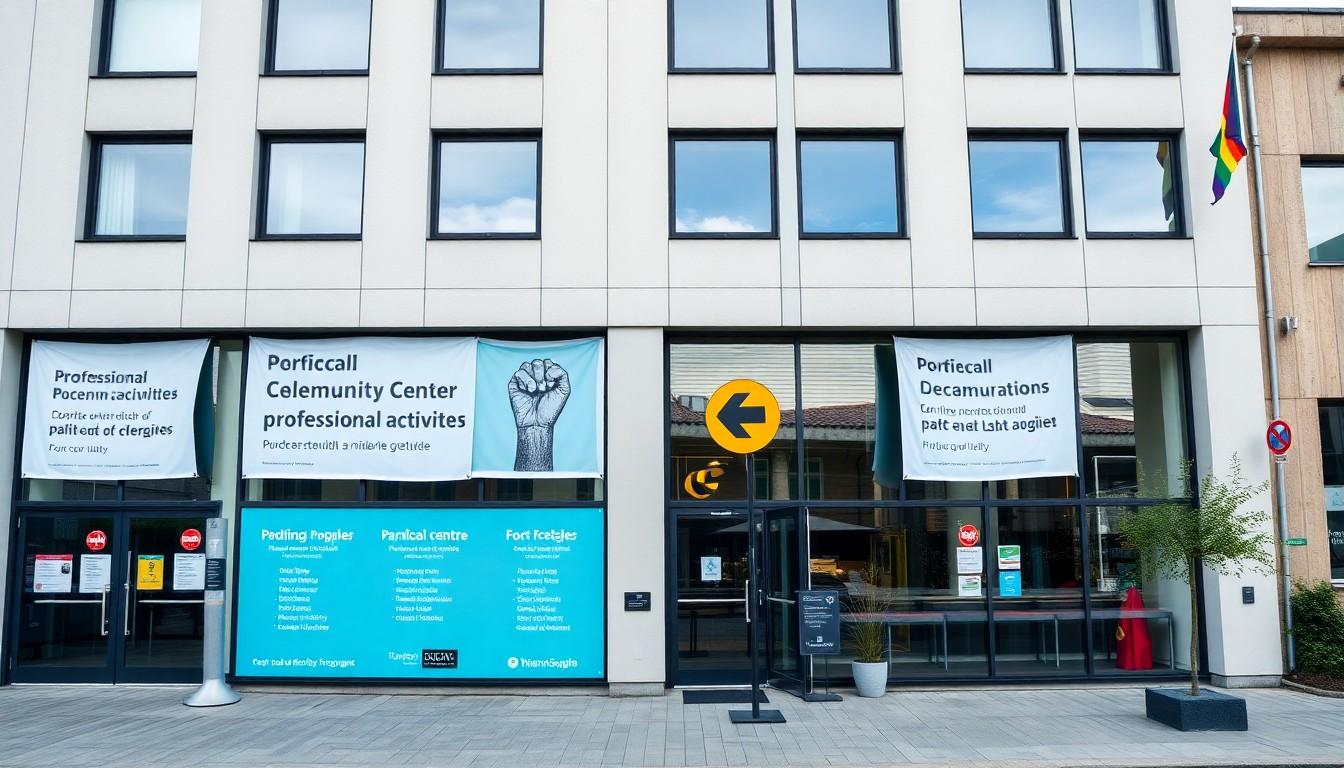
Celebrate, protest, remember: communities across cities are gearing up for weeks of Pride events that blend festival atmosphere with serious purpose, giving people a chance to be seen, heard and connected where it counts. Here’s why Pride week remains vital, and how to make the most of it whether you’re joining the march or the panel talks.
Essential Takeaways
- Visible solidarity: Pride offers public, collective support that helps people feel less alone and more affirmed.
- Mix of activities: Expect panels, parties and protests, something for celebration, learning and advocacy.
- Mental wellbeing boost: Many attendees report feeling empowered, relieved and more connected after Pride.
- Access matters: Organisers aim to make events inclusive and safe; check schedules for family‑friendly or accessible options.
- Practical prep: Bring water, layers, and a meeting spot; plan arrival and exit points in busy city centres.
Why Pride week still matters: more than a parade
Pride week is as much about presence as it is about party, and you can feel that in the energy of the crowd. According to organisers, weeks of events give space for both celebration and serious conversation, so people can choose how visible they want to be. Research from community studies suggests Pride events boost feelings of belonging and reduce isolation, especially for those who might only be out in a few circles. If you’re nervous about attending, start with a panel or a small meetup , the atmosphere is usually welcoming and full of support.
Panels, protests and parties: the shape of modern Pride
These days Pride looks like a festival schedule: workshops on health and rights, youth programming, cultural showcases and protests aimed at policy change. Event leads often balance fun with focus, because visibility on the street is one form of activism, while seminars and legal clinics shift the conversation behind the scenes. If you want both, check for hybrid events or later evening celebrations; you can learn in the afternoon and join the parade feeling informed and energised.
Who shows up and why it matters to them
For many people Pride is the one time they can walk the city openly and say, “Here I am.” For others it’s a family day out or a chance to connect with LGBTQ+ services. Studies and commentaries on Pride highlight the emotional lift attendees report , less anxiety, more pride in identity, and stronger social ties. That matters not only for individuals but for communities trying to build resilience in the face of prejudice. If you’re an ally, turning up and listening can be one of the most powerful gestures.
Practical tips for a smoother Pride experience
Come prepared: pack a small bag with water, sunscreen, comfortable shoes and a meeting spot in case mobile signals get patchy. Check accessibility information , many organisers post details for wheelchair access, quiet zones and sensory‑friendly timings. If you’re bringing children, look for family programmes or quieter parade sections. And if you’re documenting the day, respect people’s privacy; ask before you photograph individuals who may not want to be identified.
The future of Pride: inclusive, intentional, and resilient
Organisers and advocacy groups are thinking bigger than one day of visibility. They’re using Pride weeks to push for ongoing policy change, better health services and safer public spaces. Local groups often partner with national organisations to amplify messages about equality and rights. Expect Pride to keep evolving: more community hubs, collaboration with cultural institutions, and sustained campaigns beyond festival week. It’s a reminder that visibility is powerful, but so is the steady work that follows.
It's a small change that can make every turnout feel a little safer and a little more hopeful.
Source Reference Map
Story idea inspired by: [1]
Sources by paragraph: