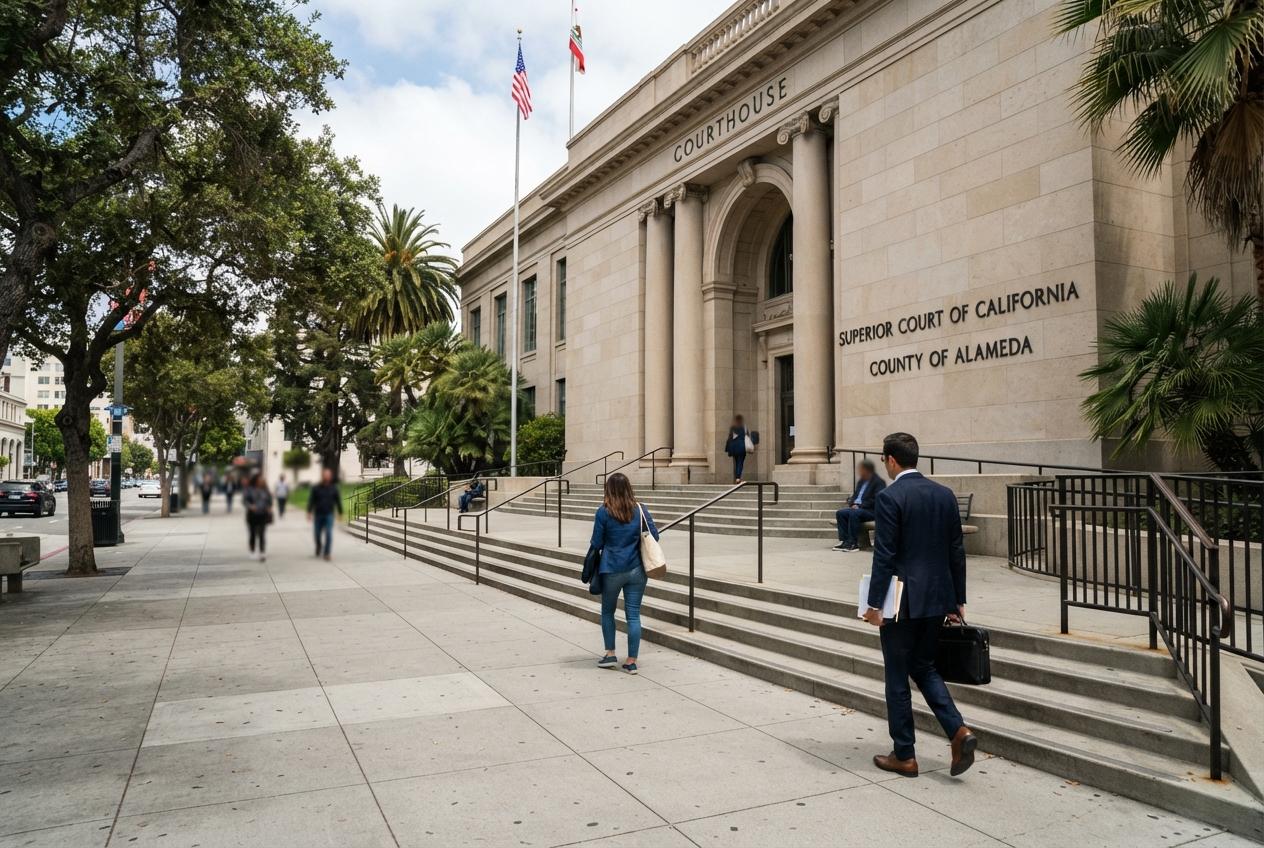
Notice how courts now treat identity-based threats and coercive control differently , California residents in LGBTQ+ relationships are finding clearer paths to domestic violence restraining orders that protect more than just the body. This matters because proving harm often looks nothing like a bruise, and knowing the law and evidence that helps is crucial.
- Legal standard: California’s Domestic Violence Prevention Act allows DVROs for conduct that “disturbs the peace,” so non‑physical abuse like threats, stalking, or outing can qualify.
- Identity-based harm: Threats to out, misgendering, or withholding medical care can be framed as coercive control and evidence of emotional harm.
- Evidence tips: Digital trails , texts, emails, recordings made under Penal Code § 633.5 , and witness statements often carry the case when there are no visible injuries.
- Custody implications: A DVRO affects custody under Family Code § 3044; having protection can safeguard children, but an order against you can jeopardise parental rights.
- Practical help: Use court resources, Safe at Home for confidential addresses, and work with an LGBTQ‑competent attorney or advocate who can explain relationship power dynamics to the judge.
Why “disturbing the peace” matters more than you might think
Start with this: you don’t need bruises to get protection. California law recognises that conduct which destroys someone’s mental or emotional calm can be the basis for a restraining order. That means relentless calls, spyware tracking, threats to expose your identity, or cutting you off financially all count as real harm, not just bad behaviour.
Courts such as those explained on California court self‑help pages have applied the “disturbing the peace” idea to modern forms of abuse. So document patterns , timestamps, repeated messages, screenshots. A judge wants to see a story of control, not just a single bad day.
If you’re preparing a petition, focus on specific acts and their effects: how it made you fearful, how it limited your life, and any escalation. That clarity often cuts through assumptions about what “real” domestic violence looks like.
Identity‑based abuse: outing, misgendering and withholding care
Abusers in LGBTQ+ relationships often weaponise identity, and that can be devastating in practical and emotional ways. Threatening to out someone at work, to family, or online is coercion; so is intentionally deadnaming or denying hormones and medical support to a trans partner.
California courts are increasingly aware of these dynamics and will consider them under disturbed peace and harassment claims. The practical takeaway: record these threats and name them in your petition. Evidence that links the conduct to fear , lost work, isolation, therapy notes , helps the judge see the harm.
Talk about the identity‑based tactics plainly in court papers. Judges don’t always know community specifics, so educating the court in clear, non‑technical language can make a real difference.
How mutual‑abuse myths can derail cases , and how to counter them
There’s a persistent myth that fights between same‑sex or queer partners are “mutual” scuffles rather than one person exerting power. California law requires identifying the primary aggressor, not just who threw the last punch. That analysis hinges on power dynamics, fear, and control, not simply visible injuries.
If you’re a petitioner, show who controls finances, communications, living arrangements, or access to documents. If you’re responding to allegations, get legal advice early , the stakes for custody and reputation are high.
Working with attorneys and advocates who understand LGBTQ+ dynamics helps frame incidents as part of a pattern, not isolated tit‑for‑tat moments. Courts respond to context, and context is often what separates a dismissed dispute from a granted DVRO.
Custody, children and the high stakes of DVROs
When kids are involved, DVROs carry extra weight. Under Family Code § 3044, a history of domestic violence creates a rebuttable presumption that giving custody to an abuser is harmful. That can protect children and the petitioning parent, especially in families where parental rights or second‑parent adoption are already legally delicate.
But the flip side is important: if an order is issued against you, it can seriously harm your custody chances. So both petitioners and respondents need counsel who understands family law nuances and how restraining orders interact with custody evaluations.
Practical tip: collect anything that shows parenting capacity and safety for your child , witnesses, school records, therapy notes , and make sure your lawyer uses those to show the court what arrangement fits the child’s best interests.
The extras that help LGBTQ+ petitioners in California
California offers practical protections beyond the order itself. The Safe at Home programme lets survivors use a substitute address to keep locations confidential. Pet protection clauses can award sole possession of animals if they’re used as leverage. And in many circumstances Penal Code § 633.5 permits victims to record communications when they reasonably believe they relate to domestic violence, which can be powerful evidence.
Courts provide self‑help resources at local superior courts and statewide sites that explain forms and procedures, and many counties have advocates or family law facilitators who can help you navigate filing without a lawyer. Still, an LGBTQ‑competent attorney can translate community realities into legal terms the court understands.
Getting help and planning your next steps
If you’re thinking about a DVRO, start documenting everything now , messages, photos, dates, witnesses. Use court self‑help resources to learn forms and timelines, consider Safe at Home if safety is a concern, and reach out to local advocates for immediate support.
If a restraining order is already filed against you, don’t ignore it; responses and hearings have legal consequences, especially for custody. Both sides benefit from legal counsel that knows how to handle the particular dynamics of LGBTQ+ relationships in California family court.
It's a small but powerful shift: recognising emotional and identity‑based harms makes protection possible for many who would otherwise be overlooked.
Source Reference Map
Story idea inspired by: [1]
Sources by paragraph: