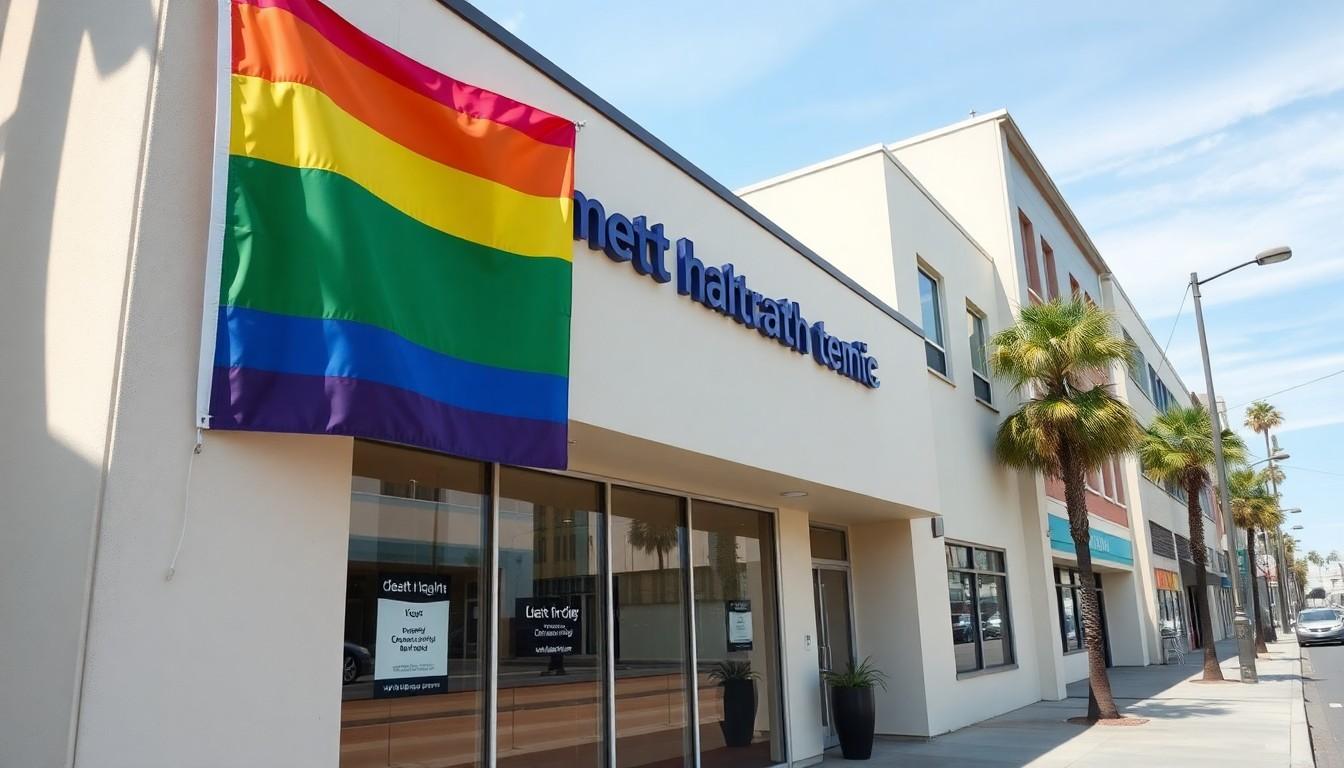
Shoppers and neighbours are turning out to rally, thousands will gather on 18 October in West Hollywood for AIDS Walk Los Angeles, a fundraising march and celebration that spotlights the urgent need for affordable HIV care, prevention and treatment across LA County. Registration is open now at aidswalkla.org.
Essential Takeaways
- When and where: AIDS Walk Los Angeles returns Sunday 18 October 2026 at 10:30am in West Hollywood Park, with a two-mile route through the Rainbow District.
- Theme and focus: This year’s message, “Defend Care, Demand Action,” stresses access and affordability for PrEP, PEP, long-acting injectables and HIV treatment.
- Community scale: The event typically draws thousands and blends celebration, activism and fundraising, last year’s walk raised about $1.05 million.
- Who runs it: Presented by APLA Health, which provides healthcare and social services to more than 23,000 people a year across LA County.
- Practical note: Registration, participant FAQs and fundraising tools are available at aidswalkla.org; there are volunteer and fundraising roles for every level of involvement.
A crowd, a cause and a clear call: why this year matters
Thousands of Angelenos will fill West Hollywood Park for a morning that’s part parade, part protest. Expect music, remarks from activist leaders and community booths, there’s a lively, hopeful hum to the day that masks a sharper message about access. Organisers are framing 2026 as a defence: not of medicine, which already works, but of people's right to get that medicine.
APLA Health is leading the event with a blunt point, modern prevention and treatments like PrEP and long-acting injectables exist, but they’re not reaching everyone. According to APLA’s public information, the walk is designed to spotlight barriers that leave low-income, uninsured and marginalised people behind. For regulars, the walk has become both ritual and reminder: celebrate progress, then push for policy and funding to make that progress universal.
If you’re thinking of going, register online and plan for a short, two-mile route that’s accessible and community-focused. Bring water, a sun hat and a fundraising page if you want to turn steps into donations. It’s the sort of event where small contributions add up fast.
What APLA Health brings to the table
APLA Health runs eight federally qualified health centres across Los Angeles County and serves over 23,000 people annually. Their services range from primary care and dental to HIV-specific treatment, behavioural health and housing support. The organisation also runs one of the nation’s largest food programmes for people with HIV, distributing more than a million meals a year.
This institutional muscle matters on walk day because funds raised support practical services, not just awareness. APLA’s model links clinical care with social supports, vital when housing instability or food insecurity make staying on treatment difficult. For readers who want a concrete impact, giving locally through the walk tends to translate directly into services people can use the same year.
If you want to learn more about APLA’s work before attending, their site outlines services, volunteer roles and how funds are allocated. It’s a good way to decide whether to fundraise, donate or simply show up.
How the event mixes celebration with activism
AIDS Walk LA has always balanced joy and urgency. The opening ceremony typically features live performances and community awards, then the crowd sets off through the Rainbow District, visual, loud and affectionate. Yet behind the colour is a campaign: demand better access, defend existing programmes from cuts, and remind policymakers that health equity isn’t optional.
There’s a practical side too, teams, corporate groups and individuals can set up fundraising pages and virtual teams. If you’re short on time, joining a team or sponsoring someone is an easy way to participate. Long-term activists use the day to lobby for policy change; newcomers mainly come for community and commemoration.
Expect visibility: the route weaves through a culturally significant part of the city, so media and elected officials often attend. That’s part of the strategy, public pressure, amplified by thousands of participants, nudges budgets and policy debates.
Who benefits and why access still matters
Medical advances have turned HIV into a manageable condition for many, but treatment access still splits along lines of income and ZIP code. APLA’s CEO has been explicit: the science is solved, the distribution isn’t. That’s why fundraising is tied to direct services that help people navigate insurance, get to appointments and access prevention methods.
For people living with HIV, staying undetectable means staying well and stopping transmission, simple in theory, complicated in practice by real-world barriers like housing, transport and paperwork. For people at risk, PrEP and emerging long-acting injectables are game-changers if you can access them affordably. The walk helps fund the wraparound care that makes those therapies useful.
If you’re thinking of supporting the cause, consider setting a specific fundraising target or sponsoring someone’s registration. Even modest donations can fund transport vouchers, a month of medication support or a few hot meals.
How to take part and practical tips
Register at aidswalkla.org, where you’ll find FAQs, team sign-up pages and contact details. If you want to fundraise, set a clear goal, share personal reasons for supporting the cause and use social channels to amplify your page. Volunteers are needed for logistics, and local businesses often sponsor teams or match donations.
On the day, arrive early for the opening ceremony, wear comfortable shoes and sun protection, and bring a reusable water bottle. If you need accessibility accommodations, the organisers provide guidance online and through their contact channels. For those who can’t attend in person, virtual participation and remote fundraising options are available.
The walk is both friendly and intentional, an easy way to be part of something that’s joyous and politically meaningful.
It’s a small change that can make every step count.
Source Reference Map
Story idea inspired by: [1]
Sources by paragraph: