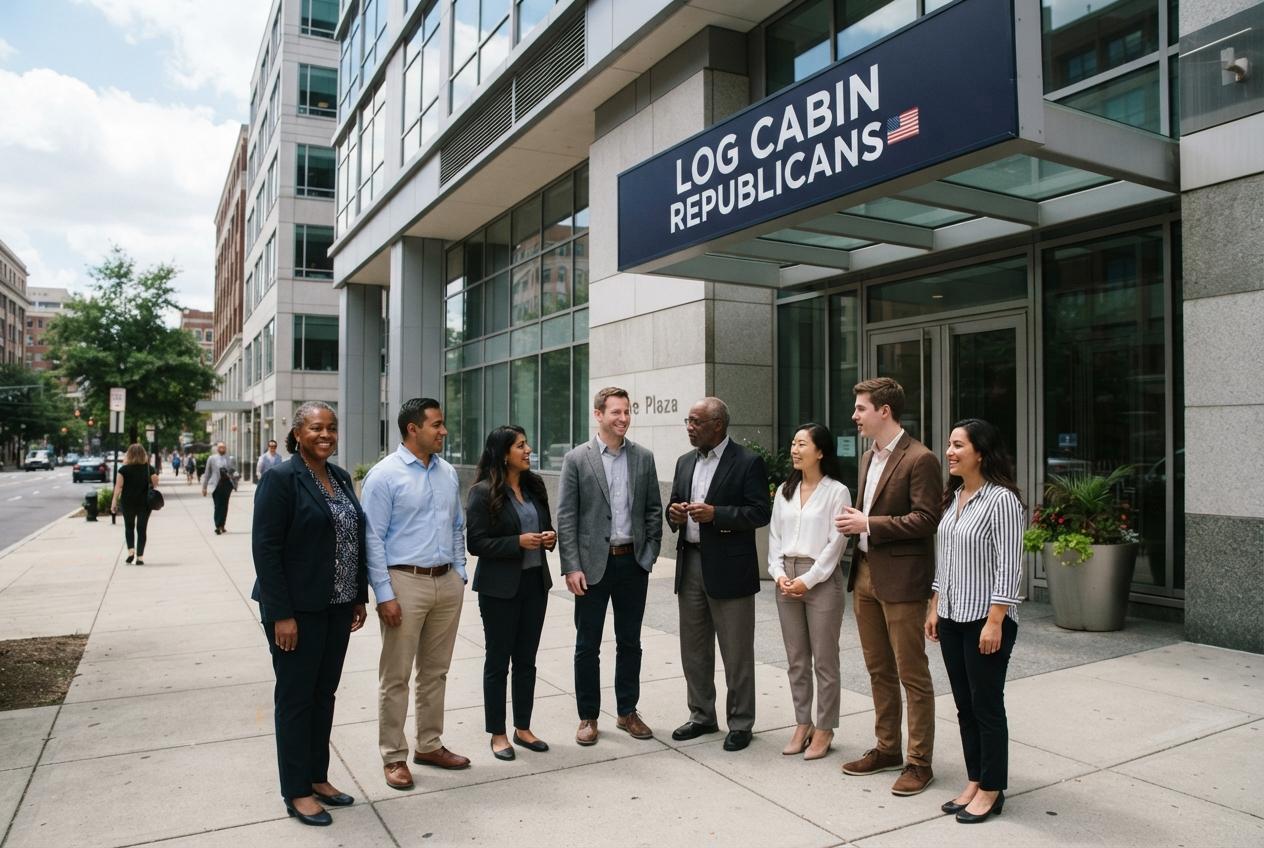
Shoppers of political headlines noticed a shift this week as the Log Cabin Republicans announced they will no longer explicitly advocate for transgender people; the move, made public in a column, matters because it signals a split in conservative LGBTQ politics and could reshape messaging around gay, lesbian and bisexual rights inside the GOP.
Essential takeaways
- Official change: Log Cabin Republicans say they will focus on gay, lesbian and bisexual issues rather than transgender advocacy, citing concerns about youth-focused policies and sports.
- Leadership rationale: The decision was announced by the group’s president in a column that framed the move as returning to constitutional principles of limited government and individual liberty.
- Criticism: LGBTQ Democratic organisers and progressive outlets called the change a betrayal of trans people and warned it may presage attacks on other LGBTQ rights.
- Political context: The announcement comes as conservative lawmakers at state and federal levels push many anti-trans bills, and as messaging battles intensify ahead of elections.
- Membership note: The organisation says membership remains open to all conservatives, despite narrowing its advocacy focus.
What really changed , and why the group says it matters
The Log Cabin Republicans formally signalled they will no longer include transgender issues in their advocacy, saying the transgender movement’s focus on minors and contested medical and sporting policies forced a rethink. That explanation landed in a widely read conservative column, where leaders leaned on ideas of limited government and parental rights to justify the shift. The statement reads like a deliberate repositioning: keep the brand, narrow the ask, and try not to lose Republican voters who are skeptical of current trans activism.
The group’s leadership framed the move as protective of the broader LGB cause, arguing attention to gender identity politics has eroded support for gay and lesbian issues. Whether that argument wins over voters is an open question, but it’s clear they’ve chosen a political calculation over an all-encompassing civil-rights posture.
How advocates and opponents reacted
Responses were swift and sharp. LGBTQ Democratic groups and progressive media called the decision a betrayal of trans people, saying practical impacts will follow beyond words. Some critics warned that abandoning trans advocacy doesn’t stop at a letter change , it could leave transgender people more exposed to legislation restricting healthcare, participation in sports, or school policies.
Meanwhile, conservative outlets and sympathetic commentators framed the move as a principled return to core values and a strategic attempt to keep conservative support for gay and lesbian Republicans intact. The split shows how polarised and nationalised transgender debates have become.
The wider political backdrop you should know
This change didn’t happen in a vacuum. Across the country, lawmakers aligned with Republican priorities have advanced numerous bills targeting transgender healthcare, school policies and sports participation. That legislative environment has hardened public debate and made it politically risky for organisations that want to maintain GOP ties while defending LGBTQ rights broadly.
So the Log Cabin Republicans’ decision can be read as a reaction to that pressure: trying to preserve influence within a party that is increasingly hostile to trans-specific rights while holding onto some LGBTQ credibility.
What this means for trans people on the ground
Practically, the move removes one conservative voice that could have defended transgender rights inside the GOP. For trans people and their families, losing a sympathetic Republican advocacy group narrows the channels for cross-party dialogue and might make state-level protections even more critical.
If you’re a trans person or an ally, this is a reminder to track local legislation and support organisations focused on legal and medical protections. For LGB people who support trans rights, it’s also a moment to decide whether single-issue positioning is worth the trade-offs.
How to read future developments , and what to watch
Watch how chapters and members react. The national leadership says membership remains open to all conservatives, but local chapters may differ in tone or action. Also keep an eye on whether other groups follow suit; small shifts in how organisations label themselves can preview bigger policy or legal fights.
Finally, consider the electoral calendar: rhetoric that might read as a branding move now could translate into voting behaviour later, especially among younger voters who are more likely to view transgender rights as integral to LGBTQ equality.
It’s a small change with a big echo , and one worth watching closely.
Source Reference Map
Story idea inspired by: [1]
Sources by paragraph: