Shoppers and readers are rediscovering Douglas Sadownick’s semi‑autobiographical novel, The Sacred Lips of the Bronx, now back in print via Rebel Satori Press’s Library of Homosexual Congress imprint , a vivid coming‑of‑age and queer relationship tale that matters for anyone curious about gay life before modern HIV treatments and marriage equality.
Essential Takeaways
- New edition available: Rebel Satori Press’s Library of Homosexual Congress has brought the 1994 novel back into circulation, making a once scarce book easier to find.
- Generational portrait: The story traces a late Baby Boomer gay man’s life from a shifting Bronx neighbourhood to bohemian Los Angeles, with a tone that’s reflective and sometimes raw.
- Emotional texture: Characters feel lived‑in , there’s anxiety about AIDS, complicated partnerships, family ties, and an undercurrent of Jewishness that shapes identity.
- Readable and thoughtful: The prose balances memory, longing and a sharp eye for social detail; the book works as both fiction and cultural documentation.
- Practical note: Ideal for readers of gay historical fiction or those wanting nuanced queer perspectives from the pre‑therapy era.
Why this reissue matters , a social snapshot with a human pulse
This reissue isn’t just a nostalgia play; it rescues a book that documents how gay men navigated love, sex and fear in an era before combination anti‑retroviral therapy. According to publisher notes, the Library of Homosexual Congress aims to preserve queer voices, and putting Sadownick back in print restores a narrative that registers both personal heartbreak and community anxiety. Read it and you’ll feel the quiet, everyday terror of lovers who can’t quite protect one another, alongside the small comforts of shared meals and city light.
What the story feels like , intimate, conflicted, at times aching
The novel opens in early‑90s Venice Beach, where Mikey and his partner Robert live the sort of bohemian life that smells faintly of steamed vegetables and late nights. Readers will recognise the tension: love threaded through secrecy, the paranoia of potential infection, and the way affection and accusation become indistinguishable. It’s an intimate portrait that’s as much psychological case study as it is a romantic drama.
Back in the Bronx , youth, longing and the pull of family memory
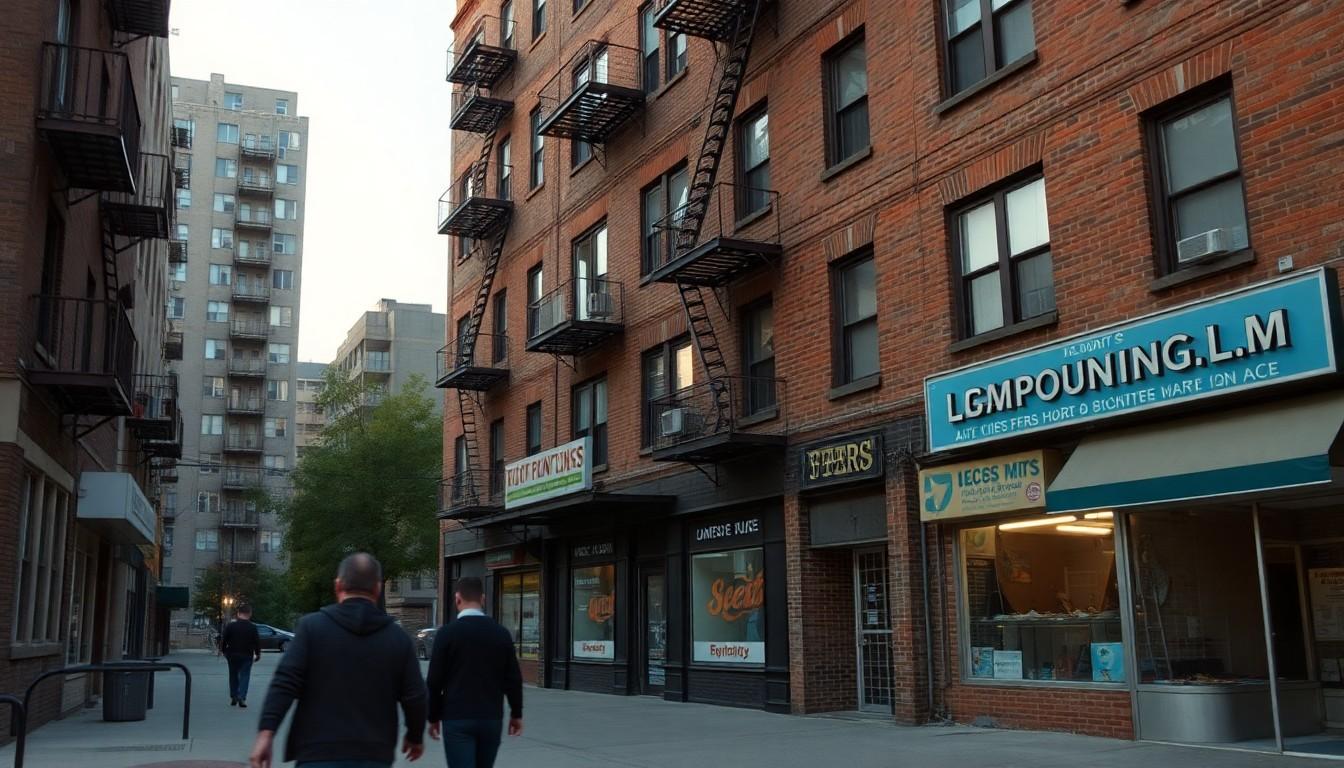
Sadownick takes us back to Mikey’s teenage years in a Bronx neighbourhood mid‑transition, and that shift gives the novel texture. Young Mikey’s curiosity , from porn theatres to furtive meetings with Hector, a Puerto Rican teen , reads as both a sexual awakening and a study in limited choices. His bond with grandmother Freida adds a melancholic counterpoint, a touchstone of tradition and a mirror for longing. That juxtaposition of urban change and domestic memory gives the book a bittersweet hum.
Themes and takeaways , identity, grief, and the limits of explanation
The novel doesn’t hand out neat solutions. Sadownick is careful not to convert his protagonist’s grief into tidy moral lessons; instead he explores inherited trauma, the consolations of ritual, and the hard work of naming desire. That restraint makes the book feel honest. For today’s readers, the big takeaway is how social context shapes intimacy , and how resilience often looks like small acts rather than grand revelations.
How to read this edition , who will love it and what to look for
If you collect queer lit, study LGBTQ history, or simply like character‑driven stories that linger, this edition is worth a look. Pay attention to how setting functions as a character , the Bronx and Venice Beach both shape what Mikey becomes. And if you’re giving this as a gift, add a note that it’s as much cultural archaeology as it is a novel: it helps younger readers imagine what life felt like before later medical and legal advances.
It’s a small reissue with a big heart , a quiet rescue of a voice that deserves to be read again.
Source Reference Map
Story idea inspired by: [1]
Sources by paragraph: