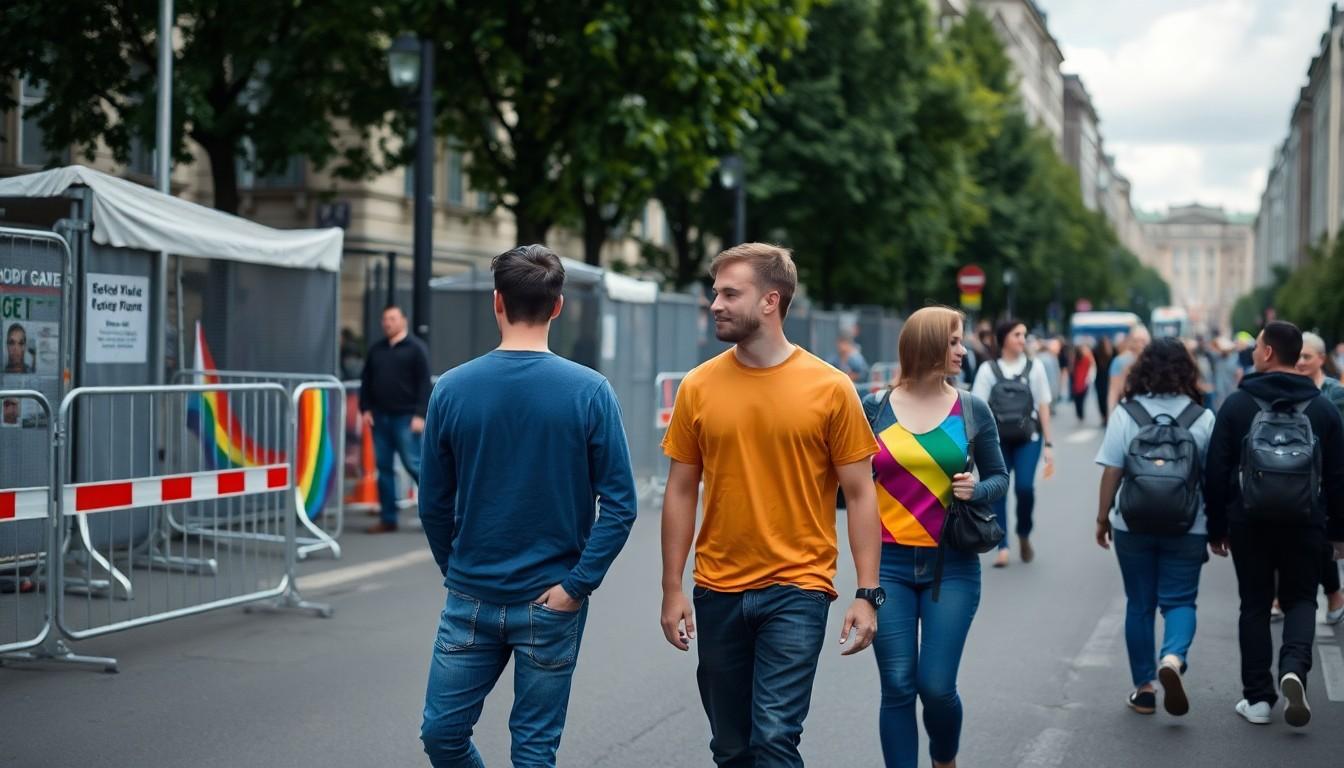
Standing in the very place a perpetrator would strike, people in Berlin and across Europe found the answer was clear: Pride still matters. This piece looks at who was affected, how cities and organisers responded with tougher security, and why showing up , or choosing not to , is a valid, political choice that keeps queer lives visible and safer.
Essential Takeaways
- Visible defiance: Pride is a public act of existence, not just a party, and remains vital after violent attacks.
- Heightened security: Cities and organisers have increased barriers and threat assessments to protect participants, with practical implications for events.
- Ally actions matter: Showing up, speaking out against casual bigotry and supporting survivors are concrete ways to help.
- Personal choice respected: Not attending can be the right call for some; safety and agency are priorities.
- Solidarity endures: Public gatherings still offer emotional balm and hope to people not yet able to live openly.
What the Berlin attack reminded us , Pride is more than celebration
The image of people standing where a car later struck a crowd is chilling and vivid, and it’s the sort of detail that sticks with you. According to reporting across outlets, the attack on Berlin Pride shocked organisers and attendees and reignited a debate many had tried to retire: do we still need Pride? The short answer, lived by those who were there and the wider queer community, is yes. Pride isn’t merely balloons and DJs; it’s a political tradition born of danger and resistance, and that history matters when violence tries to erase public queer life.
How cities and organisers have changed plans , safety on the march
Organisers aren’t treating risk as theoretical anymore. Media coverage shows that cities including Amsterdam and Berlin tightened security, added barriers and took threat assessments far more seriously than in past years. That has practical results: different entry points, bag checks, and visible policing , measures that can feel reassuring to some and alienating to others. If you plan to attend, check event updates, arrive early and travel with friends; organisers will usually publish safety advice and contact points for concerns.
Why showing up still helps , visibility as protection and protest
There’s a hard, human logic here: when queer people appear in public, they reclaim space that others would deny them. Demonstrations have a ripple effect , they reassure closeted teenagers, remind lawmakers people exist, and make hate easier to spot and counter. Allies have a role too. Being present at marches, speaking up at work when someone makes a derogatory joke, and supporting community groups does real work. Even small acts of visibility change the climate over time, as NGOs and human-rights reporting note.
What about grief and division , keeping anger useful, not destructive
The temptation to turn on one another in the wake of trauma is understandable: grief looks different for everyone, and people want answers. But community leaders and commentators have warned that internal division plays straight into the hands of those who want to marginalise queer people. Channelled well, anger fuels calls for better protection, more robust hate-crime investigations and political pressure for change. Channelled poorly, it fractures solidarity. Practically, that means prioritising mutual care , checking in on those most affected, backing community-led healing spaces, and demanding accountability from authorities.
Choosing not to attend is okay , rights, risks and personal agency
No large public event is risk-free, and reporting makes clear that heightened security can’t eliminate danger entirely. So if you don’t feel safe, staying away isn’t cowardice, it’s self-care. Many queer people still can’t come out publicly for legal, social or family reasons, and their safety calculus is different. Support can look like donating, amplifying livestreams, writing to MPs, or joining local groups that work quieter, sustained change. The point is agency , whether you march, cheer from home, or do the steady day-to-day work, you’re part of the movement.
Looking forward , stronger, not fearful
There’s an odd tenderness to the way people held hands a little tighter after the Berlin attack; that detail captures something essential. Pride will probably look more security-conscious in coming years, but that doesn’t mean it loses its heart. If anything, the choice to gather despite risk proves the point: queer visibility is a deliberate political act. Organisers, allies and participants will keep pushing for safer events, better policing of hate crimes and more inclusive public spaces. And for the people who still dream of living openly, seeing thousands in the streets is a quiet, stubborn promise.
It's a small change that can make every march and celebration safer and more meaningful.
Source Reference Map
Story idea inspired by: [1]
Sources by paragraph: