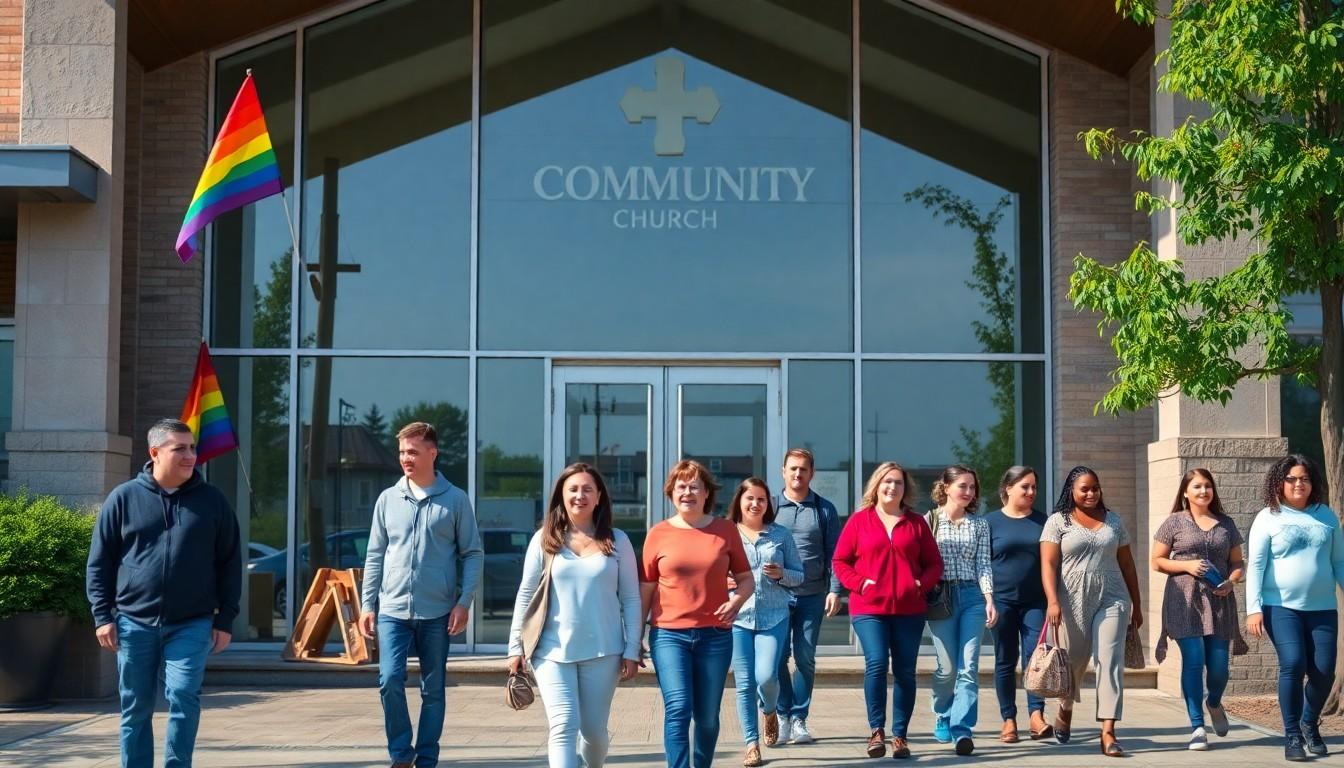
Shoppers and churchgoers are reconsidering what faithful inclusion looks like; this piece explores why a truly radical gospel points toward welcoming LGBTQ+ people into every corner of church life, who’s making the theological case, and practical ways congregations can begin to live it out.
Essential Takeaways
- Core insight: The gospel, as lived by Jesus, repeatedly elevates those society dismisses, suggesting inclusion is more than policy, it's discipleship.
- Cultural reality: People form views on sexuality and gender long before they read theology, so conversion of heart often comes before exegetical shifts.
- Practical steps: Start small, hospitality practices, language changes, and leadership pathways make inclusion tangible and less threatening.
- Emotional cue: Wrestling with this challenges reputation, safety and tradition; that discomfort is part of faithful growth.
- ** hopeful note:** It’s possible to shift from guilt or defensiveness to compassionate action without abandoning conviction.
Why the gospel’s radical hospitality matters today
The most striking thing about the gospels is their messy, inconvenient welcome; you can almost taste the dust on Jesus’ sandals when he sits with society’s outcasts. That sensory detail matters because it reframes inclusion not as a modern concession but as a core pastoral practice. According to longstanding advocates for welcoming congregations, theological arguments for LGBTQ+ inclusion aren’t just academic puzzles, they’re attempts to follow a pattern of mercy and solidarity found across scripture.
Context helps here. Many people who now argue for inclusive ministry started with ordinary relationships: friends, family members, or young people in their pews whose lives forced a re-evaluation. So while church bodies commission papers and commissions write statements, the real conversions happen at kitchen tables and youth groups, where compassion meets complexity. Practically, that means churches wanting to be faithful should invest in listening spaces before policy drafts.
People change their minds long before they consult scholarship
You’re unlikely to decide your stance on sexuality by starting with a seminary library. Most views form from upbringing, media, peer groups and early experiences of approval or shame. That’s why community-level work, stories, testimonies and pastoral presence, often shifts hearts more than academic exegesis does. Ministries that prioritise relationship over debate find people are less defensive and more curious.
If you want to move a congregation, consider coaching a small group to hear local LGBTQ+ stories without agenda. Create structured, guided conversations that foreground dignity and everyday realities. This is where theology meets life, and where durable change usually starts.
What scripture-focused inclusion looks like in practice
If you take Luke seriously, the imperative to welcome children, sit with the rejected and invite those who can’t repay you becomes a barometer for orthodoxy. Churches translating that into practice take pragmatic steps: inclusive language in worship, accessible pastoral care for queer people, and pathways for LGBTQ+ leadership. These aren’t merely symbolic; they change who belongs at the table.
Start with modest, reversible moves, gender-neutral forms in liturgy, explicit welcome statements on websites, and pastoral training on issues like dysphoria and rejection. Over time, such changes build trust, and trust makes deeper theological engagement possible.
The messy reality of social cost and personal discomfort
There’s no sugar-coating it: welcoming more broadly costs social capital. Congregations and leaders worry about donors, denominational pushback, and community reputation. That fear is real, but the gospels call discipleship to a different kind of risk, one that may look foolish or inconvenient to the world but is faithful to the call to love.
A helpful approach is risk-mapping: name the likely consequences, plan communications, and identify core supporters. Invite people into the process so the work doesn’t feel like a unilateral surrender of conviction but a communal experiment in discipleship.
How theological work and personal reckoning fit together
Academic exegesis isn’t wasted, scholarship offers nuance, historical depth and resources for pastors, but it rarely does the initial persuading. The more honest path pairs rigorous theological study with personal examination: ask where your assumptions come from, what you fear will be lost, and how much your desire for social order shapes your reading of scripture.
Leaders who model this tandem, study plus vulnerability, lower the stakes for congregants. They show that changing policy or practice isn’t ideological betrayal but an attempt to live the radical welcome the gospels consistently model.
Steps congregations can take next week
Begin with hospitality that costs little but signals everything: a clear welcome statement, pronoun practices in name badges, and safe-listening sessions for queer members. Provide pastoral training on mental-health and rejection, and create small accountability groups to work through the anxieties these changes raise. Above all, keep centring stories, people’s lives will speak louder than any abstract argument.
It’s a slow, stubborn work, but every modest act of welcome makes the radical gospel a little more visible in the neighbourhood.
It's a small, costly shift that can make every welcome truer.
Source Reference Map
Story idea inspired by: [1]
Sources by paragraph: