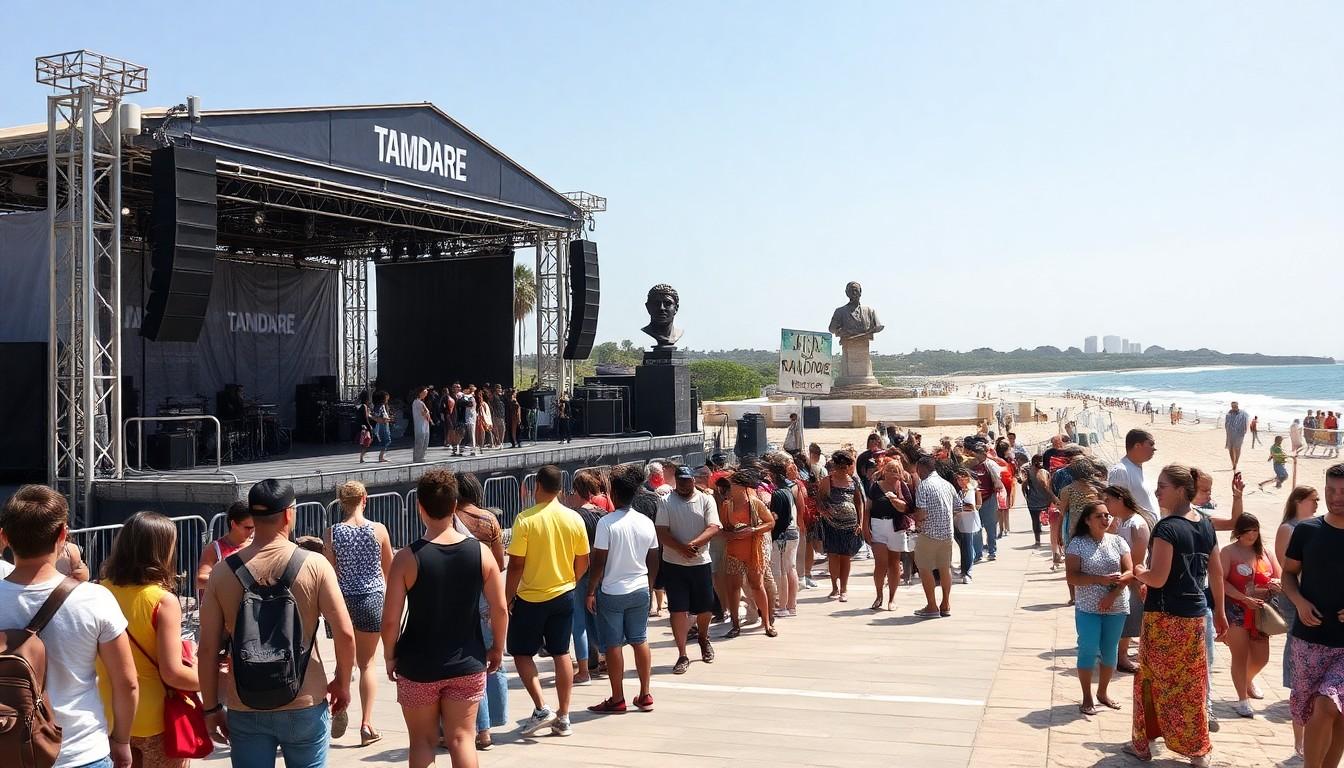
Spot the colour on 30 August , João Pessoa’s 25th Parada da Diversidade kicks off at 14:00 on the Tambaú promenade, bringing music, performance and political mobilisation together in a lively celebration of LGBTQIAPNB+ rights and culture. It’s a major local gathering with a packed line‑up and clear civic aims.
Essential Takeaways
- When and where: The parade starts at 14:00 on 30 August, with the main concentration at the Busto de Tamandaré on Tambaú’s orla.
- Big programme: Live shows, DJs, drag performances and political spaces promise a mix of party and protest.
- Confirmed artists: Salete Campari, Estefanny Alvares, Magally Mel, Dalila Piupiu and a host of DJs and drag names are on the bill.
- Focus areas: Equality, safety, public policy and remembering the movement’s history are central themes.
- Atmosphere hint: Expect lively music, colourful costumes and a strong civic energy , part festival, part demonstration.
What to expect on the Tambaú promenade
João Pessoa’s seaside strip is set to feel both celebratory and urgent, a bright, seaside backdrop for a serious cause. The Busto de Tamandaré will be the heart of the action, with stages and gathering points arranged along the orla. Expect a mix of high‑energy DJs, vocal live acts and theatrical drag numbers, so the sound will move from club beats to live singing through the afternoon into evening. Bring water, sun protection and comfortable shoes , the crowd will be on its feet.
The lineup: local stars and club rhythms
Organisers have built a varied programme, pairing vocal performers like Salete Campari and Estefanny Alvares with DJs such as Toinha, Chell and Dougie. Drag performers including Diana Fierce and Morgana Sky add theatrical sparkle. That balance of music and performance keeps the mood buoyant and inclusive, and it’s an approachable way for newcomers to experience the community. If you’re planning to go for specific acts, check arrival times early , popular sets will draw big crowds.
Politics in the parade: more than a party
This parade deliberately blends celebration with mobilisation. Spaces for speeches, petitions and civic engagement are scheduled alongside the entertainment, reflecting wider concerns about safety, equality and access to public services. According to the city’s LGBTQ coordination team, the event is part festival and part platform for policy demands. If you care about local politics, bring signs, join a forum and listen to the speakers , it’s where grassroots concerns meet public visibility.
How this fits wider cultural and civic trends
Across Brazil, Pride and diversity parades are evolving: more grassroots activism, more research into public safety and a clearer link to cultural memory. Recent events in other cities have combined surveys, historical exhibits and carnival‑style processions to amplify voices and gather data. João Pessoa’s parade echoes that shift, using performance to preserve and retell the movement’s story while calling for concrete changes. For locals, it’s become both a summer highlight and an annual civic checkpoint.
Practical tips for a smooth day out
Arrive early to snag a good spot near the Busto de Tamandaré, use public transport where possible and follow local security guidance. If you want quieter moments, scout side streets off the promenade , they often host smaller performances and info stalls. For families or first‑time attendees, map out meeting points and phone recharge options. And if you’re photographing the event, ask permission before snapping portraits of performers or participants.
It's a small but significant moment where celebration and civic purpose meet , join in, listen and stay safe.
Source Reference Map
Story idea inspired by: [1]
Sources by paragraph: