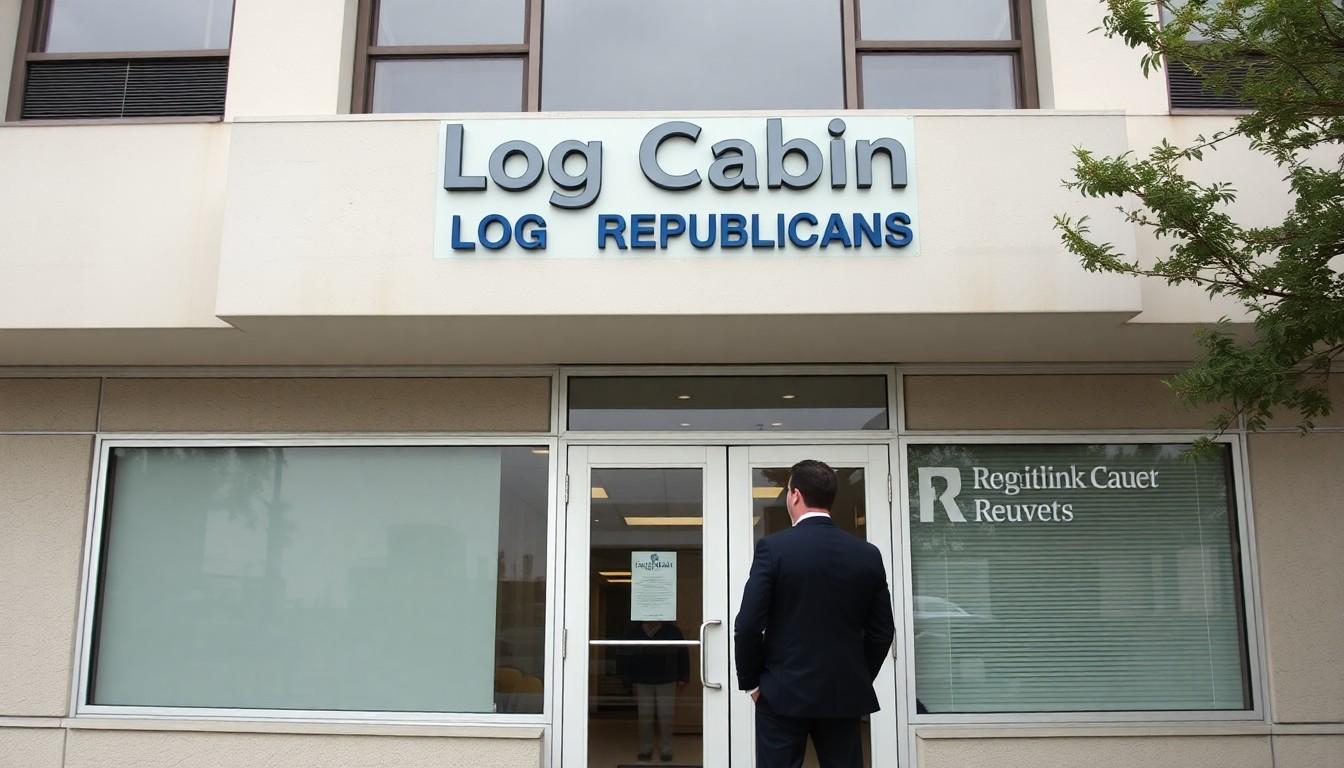
Watch this story unfold: a long-standing conservative gay group has quietly shifted its focus, dropping transgender advocacy from its mission , and the move matters for gay-rights politics, party strategy and how Americans understand sexual-orientation versus gender-identity debates.
Essential Takeaways
- Big change: The Log Cabin Republicans (LCR) announced it will no longer include transgender advocacy in its official mission, refocusing on sexual orientation and conservative values.
- Reason given: LCR leaders say modern transgender activism’s focus on minors, sports, and medical interventions drove the split.
- Reaction split: Conservative media praised the decision, while many LGBT and progressive outlets called it a betrayal of the transgender community.
- Practical impact: LCR will emphasise marriage, adoption, military service, nondiscrimination and religious-liberty protections for gay and lesbian people.
- Signal to others: The move could encourage other gay institutions to reconsider umbrella language that lumps sexual orientation and gender identity together.
What actually happened , and why it’s surprising
The Log Cabin Republicans, founded as a voice for gay conservatives inside the Republican Party, has formally narrowed its public mission to focus on LGB issues and conservative principles. The change centres on a complaint that transgender advocacy has shifted toward policies involving children, sports and medical treatments, which LCR leaders say are outside the organisation’s remit. That sensory image , headlines about school policies and locker-room disputes , helps explain why the organisation framed the decision as protective rather than exclusionary.
According to coverage by mainstream outlets, the group’s president explained the move as a reaction to a political moment in which many Americans conflate gay rights with contemporary transgender politics. The announcement landed like a pin in a balloon for some: for supporters it’s a pragmatic retrenchment, for critics a sharp abandonment.
How LCR explains its reasoning , and what they’ll keep fighting for
LCR’s published statement stresses constitutional clarity: they’ll continue to push for marriage equality, adoption rights, nondiscrimination rooted in equal treatment, military service inclusion and religious-liberty protections for gay and lesbian Americans. The organisation says the addition of “T” in 2015 was made in good faith, but that the contemporary transgender movement’s priorities , especially those involving minors , are now a distraction or even harmful to those core goals.
That line of argument is meant to reassure longtime members who worry that controversial social debates are eroding public support for historic gay-rights wins. It also signals to Republican allies that LCR intends to remain a conservative voice rather than pivoting into cultural fights that could alienate their base.
Backlash and praise , why reactions are so polarised
Predictably, the announcement split opinion. Progressive and LGBT publications called the move betrayal and abandonment, arguing that solidarity matters when rights can be vulnerable. Conservative and right-leaning outlets portrayed it as a corrective return to focus, a defence of children and fairness in sport, and a rejection of what they frame as ideological overreach.
This polarisation is part of a larger trend: politics now treats LGB and T as distinct battlegrounds. For many readers, it’s worth watching whether other organisations follow suit or whether the broader movement reconfigures into more specialised advocacy groups.
What this means for gay and transgender people on the ground
For gay and lesbian Republicans who felt politically homeless, LCR’s decision may feel like relief: an organisation that explicitly represents their interests inside a party they support. But transgender people and allies may see increased vulnerability, at least rhetorically, as one national group reduces its public defence.
Practically, it’s unlikely to change legal protections overnight, but it could shape party messaging, fundraising, and which issues get amplified in conservative circles. For advocates and families caught in these debates, the takeaway is simple: know which organisations speak for which constituencies, and read mission statements carefully.
How to think about terminology and political strategy going forward
Language matters. Whether groups use LGBT, LGB, LGBTQ+ or other variants signals political alliances, priorities and constituency breadth. The Log Cabin Republicans’ move is a reminder that acronym choices aren’t merely semantic , they’re strategic and symbolic.
If you volunteer, donate or campaign, ask organisations how they define their terms and what issues they prioritise. For politicians, the shift offers a case study in balancing coalition politics with targeted advocacy , and for the rest of us, it’s a reminder that social movements evolve in fits and starts, often driven by shifting cultural flashpoints.
It's a small change that could reshape conversations about rights, identity and political strategy.
Source Reference Map
Story idea inspired by: [1]
Sources by paragraph: