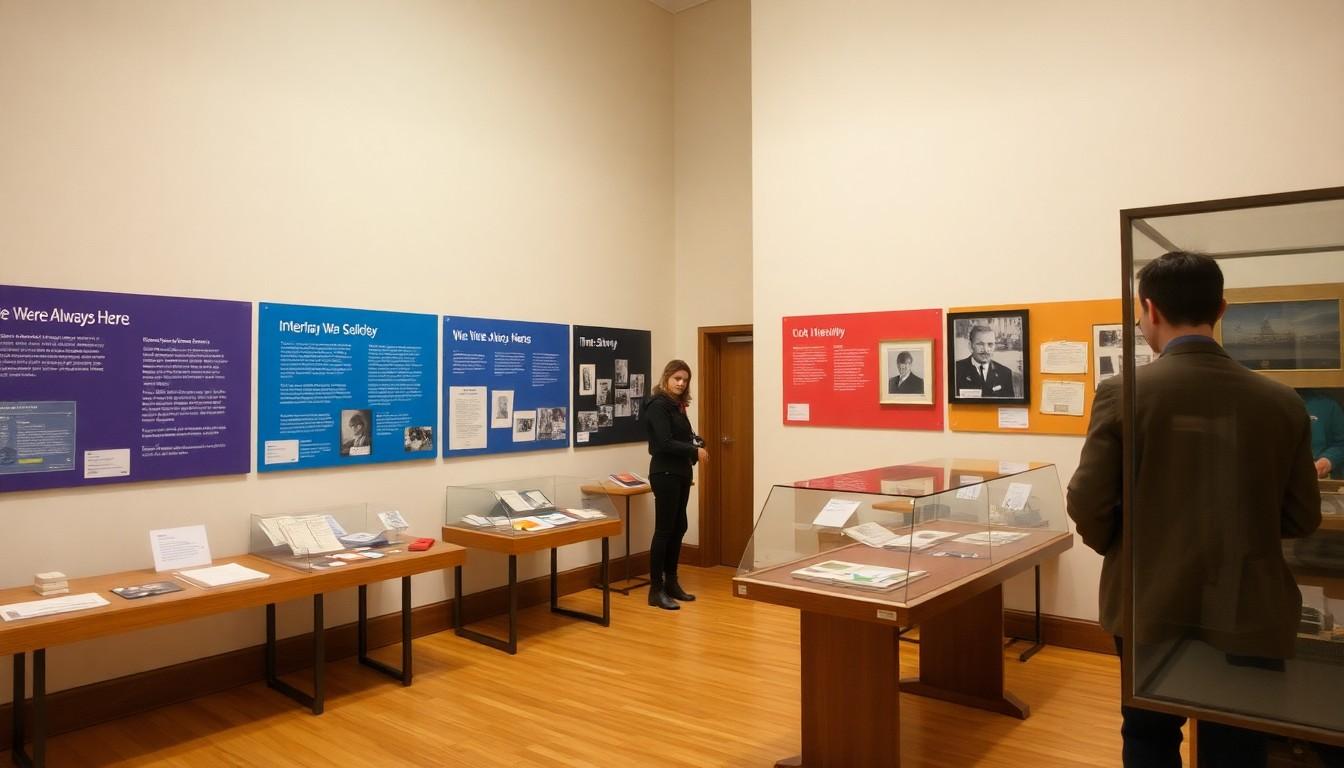
Shoppers of culture and history are heading to Cork as the city opens Ireland’s first permanent LGBTQ+ museum exhibition, a vivid, interactive celebration of queer lives and activism that makes local history visible, urgent and utterly human. It matters because it fixes stories that were once hidden into a public, lasting record.
Essential Takeaways
- Permanent first: Cork Public Museum now hosts Ireland’s first permanent LGBTQ+ exhibition, developed with the Cork LGBT Archive.
- Interactive and archival: The display mixes interactive audio, a chronological timeline, and both physical and digital archives , easy to explore and emotionally resonant.
- Personal artefacts: The collection includes original documents, artefacts and personal items from Cork’s LGBTQ+ community, offering a tactile, human feel.
- Local milestones: Cork’s role in queer history is emphasised , from Ireland’s first national gay conference in 1981 to the world’s first LGBTQ+ St Patrick’s Day float in 1992.
- A civic message: Curators say the exhibition sends a clear message of inclusion at a time when anti-LGBTQ+ rhetoric is rising.
Why this exhibition lands as a civic milestone
Cork has always had a knack for being first, and this permanent exhibition cements that reputation in a quiet, powerful way. It’s one thing to read about milestones; it’s another to stand next to the artefacts, hear recorded voices, and see a timeline mapping the small acts of bravery that turned into political change. According to local council announcements, the project was created in partnership with the Cork LGBT Archive and the museum to make sure these stories can’t be sidelined. For visitors, the experience feels both intimate and civic , like joining a conversation the city has finally agreed is worth keeping.
What’s on show , and how it feels
Expect a mix of sensory detail and civic paperwork. The show pairs interactive audio installations , personal testimonies, archival interviews and ambient sound , with a sleek timeline that guides you through Cork’s queer history. There are original documents and personal items that lend a human heft to dates and laws. The physical collection is complemented by a growing digital archive, so you can pore over items on a phone or kiosk if you want a closer look. Curators have designed it to be accessible: it’s easy to follow, emotionally immediate, and in places quietly funny or brutally frank.
The backstory: why a museum display now?
Curator Orla Egan and the Cork LGBT Archive led a push to make local queer history public because, as Egan has observed, queer histories are too often invisible. The exhibition is a response to decades when homosexuality was criminalised and community records were at risk of being lost. The timing also reflects wider cultural urgency: organisers say putting these stories in the civic museum sends a message of respect and inclusion as homophobic and transphobic sentiment resurfaces in parts of public life. In short, it’s not nostalgia , it’s civic repair.
How Cork’s history shaped national firsts
Cork isn’t just the host of this exhibition; it’s the story. The city hosted Ireland’s first National Gay Conference in 1981 and launched the long-running Loafers Bar in 1983, a venue central to queer social life. In 1992 Cork staged what organisers call the first LGBTQ+ float at a St Patrick’s Day parade anywhere in the world , a vivid emblem of visibility. Dan Breen, the museum’s curator, points to these milestones to show how the city repeatedly led the way, and now the museum display ties those threads together in one place for residents and visitors alike.
Practical tips for visitors and community groups
If you’re planning to visit, allow at least an hour to explore both the physical displays and the digital archive; slower visitors will want longer to listen to oral histories. Schools, community groups and researchers should contact the museum about guided tours and digital access for study. For anyone bringing children, note that the exhibition handles complex topics frankly but sensitively , it’s about history and human lives rather than spectacle. And if you can, bring a friend who remembers the stories first-hand; those personal connections deepen the impact.
It's a small change that can make every story harder to erase.
Source Reference Map
Story idea inspired by: [1]
Sources by paragraph: