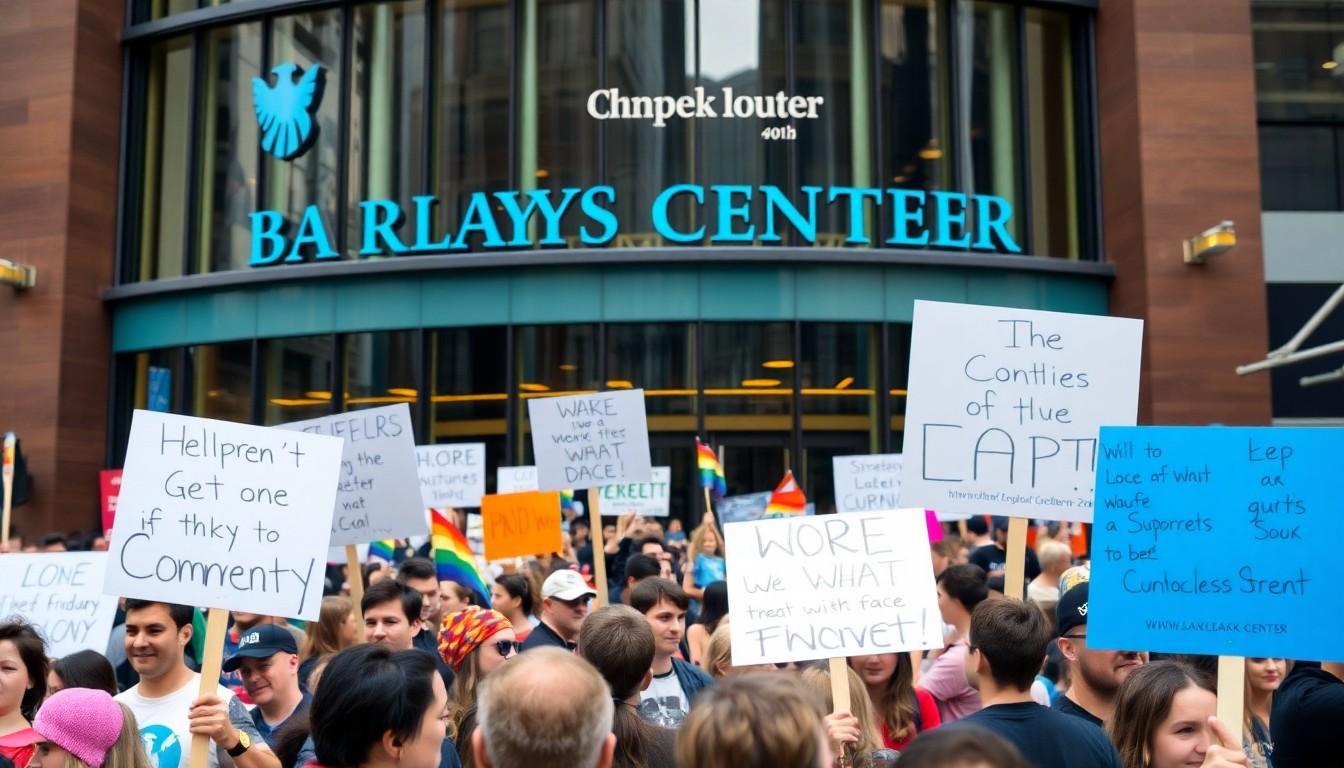
Shoppers are turning out to cheer: hundreds gathered outside Barclays Center before the New York Liberty game to celebrate trans people and push back against national attacks on trans athletes, a visible, joyful rebuttal to the culture wars that have folded women’s sports into political theatre.
Essential Takeaways
- Large, upbeat turnout: Hundreds joined a pregame rally supporting transgender inclusion outside Barclays Center, with chants, bubbles, and shirts that read “trans people belong here.”
- League context: The debate has been fuelled by a high‑profile ESPN profile and conservative media commentary, even though no openly trans women currently play in the WNBA.
- Player responses matter: Several WNBA figures, including Breanna Stewart, have publicly framed the league as a safe space for all fans and players.
- Legal backdrop: Recent court decisions and state laws restricting trans girls in school sports have given the issue national legal and political stakes.
- Emotional texture: Attendees described the event as a celebration of trans joy , kissing, dancing, and community , rather than only a policy protest.
A joyful protest, not a policy paper
The strongest thing about Saturday’s rally was its tone: bubbly, loud and exuberant rather than dour. Fans and passersby traded applause and smiles as chants of “We love trans people in this town!” rippled through the plaza, and bubble blasters and T‑shirts turned the scene into something celebratory. According to local reporting, the atmosphere felt less like a political briefing and more like a block party for inclusion, which mattered because most trans‑rights debates play out online, where heat drowns out nuance.
That choice of tone is deliberate. Organisers from Trans Safety Alliance NYC framed the event as a show of community, and attendees , parents, lifelong New Yorkers, season‑ticket holders , said they wanted to be seen and heard in a simple, human way. For readers wondering what a solidarity action looks like in practice, this was it: visible, photographic, emotionally resonant, and easy to join.
Why the WNBA keeps getting pulled into the culture wars
The current flareup traces back to media moments and political actors who have made the WNBA a stand‑in for broader debates about gender and sport. A July profile of Sophie Cunningham prompted intense online discussion, amplified by right‑wing outlets and commentators, even though the league currently has no openly transgender women players. That mismatch , loud complaints aimed at a league without the demographic in question , has left fans and players responding in public.
Sports coverage has a habit of turning one interview into a nationwide controversy, and that’s what happened here: a player’s comments became a rallying point for conservative media, while other athletes and fan communities pushed back. If you’re trying to follow the thread, think less about locker rooms and more about storytelling: who gets amplified, and what narratives get built.
Players, fans and the “safe space” argument
Several WNBA players have weighed in, arguing the league should be a haven for diverse fans and athletes. High‑profile voices like Breanna Stewart have talked about games as places where people feel they can be themselves, which resonates with supporters at the rally who said they come for both sport and sanctuary. The human detail , fans wearing homemade “trans kids belong” shirts, teachers bringing their families , underlines how personal the issue feels on the ground.
If you’re choosing where to spend your engagement , buying a ticket, joining a protest, donating to local advocacy , consider the social signal. Showing up at a game sends a message that the arena is for everyone, and that sporting institutions can be sites of solidarity rather than battlegrounds.
The legal and political backdrop you should know
This moment isn’t only cultural theatre. Courts and state legislatures have been active, with recent rulings upholding laws that bar transgender girls from school sports in some states. That legal context heightens stakes for families and educators, and it’s why these stadium rallies carry more weight than they might otherwise. Policy changes in one state can ripple nationwide through precedent and public opinion.
For parents or teachers, the takeaway is practical: stay informed about local rules for school sports, and know that public sentiment , shaped by moments like this rally , can influence school boards and lawmakers. Community visibility matters in shaping those conversations.
What this means for the future of women’s sports coverage
Expect the interplay between media moments, player comments, and political actors to continue shaping headlines. But also expect fans to keep pushing a different story: that sports can be inclusive and that public displays of support, from chants to T‑shirts, shift the tone of debate. Younger generations, according to attendees, are far less preoccupied with cultural gatekeeping and more interested in inclusion, which suggests the long arc of this argument may trend towards acceptance.
In short, the Liberty rally offered a small but vivid example of how communities reclaim public spaces. It won’t settle policy, but it changes the atmosphere.
It's a small, visible act that reminds you how sports and solidarity can mix , and how cheering can be political in the best possible way.
Source Reference Map
Story idea inspired by: [1]
Sources by paragraph: