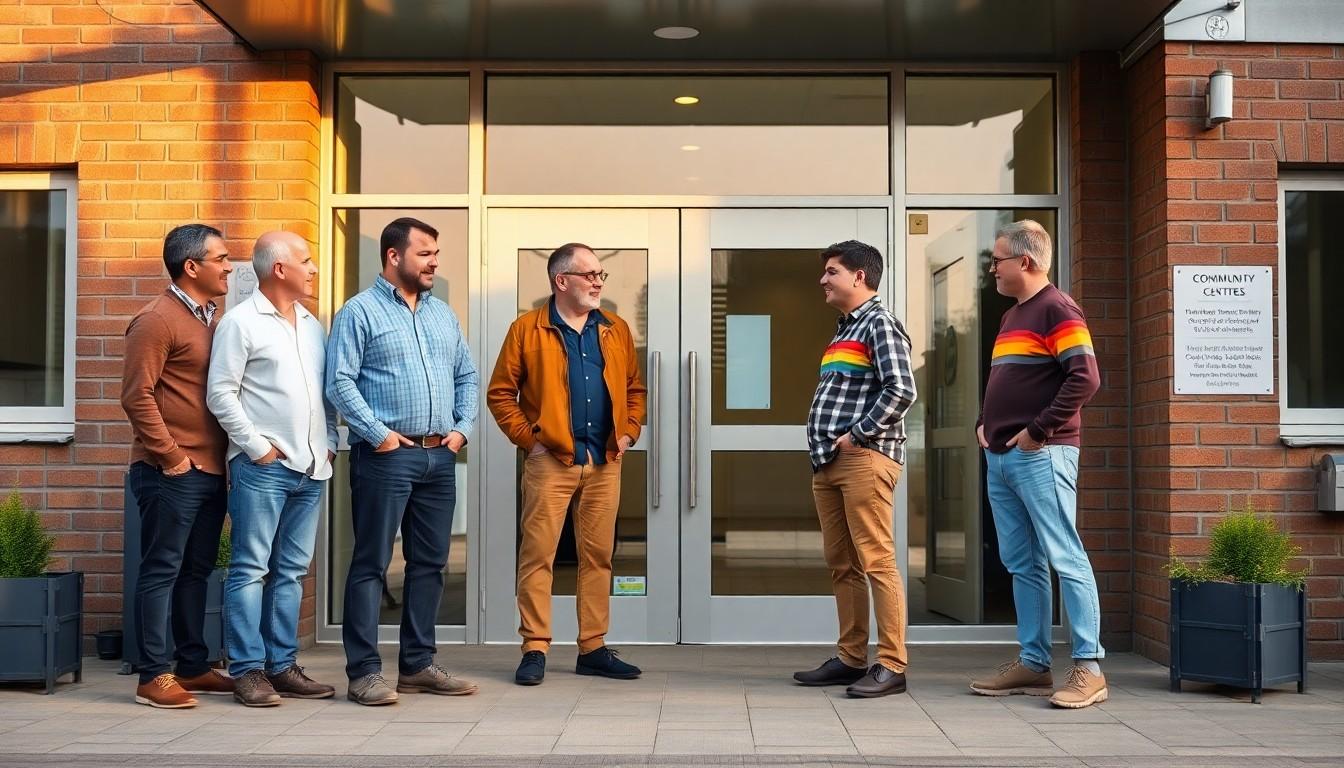
Shoppers are turning to online communities for connection, and for gay, bi and trans men aged 40 and over it's proving vital. Forty & Beyond offers fortnightly Zoom meet-ups where men can talk, laugh and be heard , a low‑pressure space that helps replace the pubs and Pride crowds some of us have drifted from.
Essential Takeaways
- Who it’s for: Forty & Beyond welcomes gay, bi and trans men aged 40+, offering peer support and social connection.
- How it works: Fortnightly Zoom sessions (2nd and 4th Wednesdays, 6–8pm) so you can join from home; cameras and mics optional.
- Topics covered: Relationships, ageing, body image, sexual and mental wellbeing, friendship and identity , sometimes serious, sometimes light.
- Why it helps: Online accessibility removes barriers like rural living, caring duties, mobility limits or social anxiety; many say “I thought it was just me…” and leave reassured.
- Feel of the group: Respectful, lived‑experience led, and low pressure , you can listen, chat, or simply be present.
Why an online group can feel better than a pub night
There’s a particular hush to logging into a Zoom room and not having to perform, and that quiet relief matters. According to organisers, Forty & Beyond was created because men over 40 were telling the same story: fewer places to belong and more reasons to stay home. Online sessions give a softer entry point than walking into a busy bar, and people say the tone is gentle , a mix of listening and honest talk. If you’ve stopped going out or moved away from city scenes, this kind of peer space can be the bridge back to conversation and companionship.
What actually happens at a session , no pressure, real connection
Meetings run every fortnight with a structure that encourages sharing without forcing it. Some attendees keep video off at first, some only use chat, and some listen for a while before joining in; all are welcomed. Discussions range from the practical , how to navigate dating or stay mentally well as you age , to the candid, like body image and intimacy. The group is built on lived experience rather than professional therapy, so the tone is peer-led, compassionate and often unexpectedly funny.
Who benefits most , practical accessibility matters
Online peer support removes tangible barriers: rural isolation, caring roles, disabilities, anxiety or simply not feeling like a nightclub anymore. For men who live far from visible queer scenes or whose schedules make evening travel hard, logging on is the only realistic way to join community. Organisations such as MindOut and regional LGBTQ centres increasingly back peer approaches, and LGBT HERO’s Forty & Beyond slots neatly into that network of low‑threshold support.
How to decide if it’s for you , a quick checklist
Start by asking what you want: conversation, companionship, or a place to explore identity with others your age. If anonymity helps, check camera and chat options before joining. Look at frequency and timing , fortnightly, early evening sessions may suit those balancing work and caring. And if you worry about being “new”, most attendees report that the first session is the hardest, then it becomes easier; hearing “me too” from others is often the turning point.
Where to find more groups and activities beyond Forty & Beyond
If you want to widen your options, local pride organisations and community centres run social events for older LGBTQ+ people, and some areas host face‑to‑face social clubs or sports days. LGBT HERO’s site lists Forty & Beyond details and other support; regional listings at local centres and MindOut’s peer‑support pages are good next stops. Try one online session and a nearby in‑person meet within a month , mixing formats often gives the best of both worlds.
It's a small change that can make every conversation feel less lonely.
Source Reference Map
Story idea inspired by: [1]
Sources by paragraph: