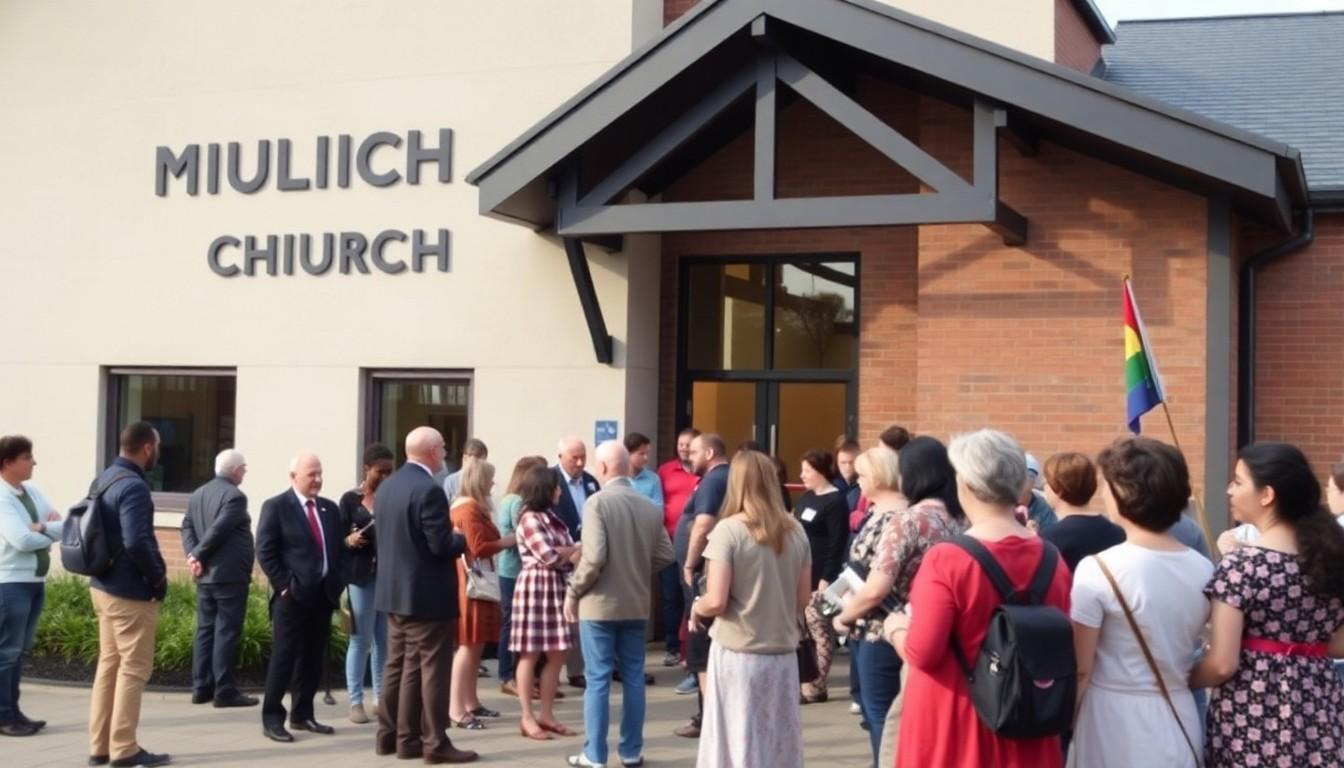
Shoppers and leaders are turning to faith spaces as crucial partners in ending HIV , and it matters because Black people still shoulder a disproportionate share of the epidemic. At a recent convention panel, advocates, clinicians and faith leaders mapped where healing meets science, showing how congregations can normalise testing, prevention and care.
Essential Takeaways
- Disproportionate impact: Black Americans make up roughly 12% of the US population but account for about 40% of people living with HIV, underscoring why community-targeted response is vital.
- Faith as bridge: Churches and faith-based groups are increasingly offering testing, counselling and referrals, creating accessible, low-stigma care points.
- Language matters: Using affirming terms like “acquired” rather than “infected” reduces shame and encourages people to seek treatment.
- Partnership works: Pharmaceutical and community initiatives that centre Black congregations and grassroots groups help connect people to prevention and long-acting treatment options.
- Intersectional lens: Tackling homophobia, transphobia and misogynoir within faith spaces is essential to protect Black women, LGBTQ+ people and other marginalised groups.
Churches are no longer on the sidelines , they’re practical health partners
Faith spaces used to be associated with silence and judgement around HIV, but that’s shifting to a quieter, sturdier compassion you can almost feel in the room. Organisations focused on faith-based outreach now equip congregations to host testing drives, counselling sessions and referrals, turning familiar sanctuaries into trusted health hubs. According to groups involved in community-centred initiatives, this model helps reach folks who might otherwise avoid clinics. If your church is thinking about getting involved, start small: a one-off testing day, then build relationships with local clinics and advocacy groups.
Why language and tone change everything
The words you hear in a sermon or from a pulpit shape how people see themselves and their health. Survivors and advocates note that swapping stigmatising language for clinical, affirming terms eases fear and opens doors to care. It sounds simple, but it isn’t: pastors and lay leaders may need sensitivity training and exposure to public-health messaging to shift instinctive responses. Faith leaders who prioritise humane, accurate language report congregants are more likely to ask about prevention and treatment , and that’s how silence turns into care.
Partnerships between pharma, NGOs and congregations are practical, not ideological
Pharmaceutical and community initiatives that centre Black churches are proving useful because they combine science with trust. Companies and programmes focused on HIV prevention and long-acting treatments increasingly fund training and outreach, while grassroots groups supply cultural competency and local credibility. That blend is crucial: medical innovation only helps if people know about it, trust it and can get it. Churches make excellent conduits when they’re resourced respectfully and linked to services that offer testing, PrEP and follow-up care.
Confronting the church’s past with honesty and compassion
The history is painful: early silence and moralising left gaps of grief and mistrust that linger across generations. Acknowledging that hurt is part of rebuilding trust, and many clergy are now wrestling publicly with theology that once shamed queer and Black bodies. When leaders admit past harms and prioritise whole-person care , spiritual, physical and mental , congregants feel safer seeking help. That humility also opens space for younger members to bring prevention conversations into youth programmes and outreach.
Intersectionality isn’t optional if the goal is ending the epidemic
HIV doesn’t exist in a vacuum; it overlaps with homophobia, transphobia and misogynoir in ways that make prevention and care harder for Black women and LGBTQ+ people. Faith communities that tackle those biases directly can protect the most vulnerable and reduce new infections. Practically, that looks like inclusive sexual-health education in church groups, anti-discrimination policies for congregational care, and partnerships with organisations led by people most affected. The payoff is both moral and measurable: more people tested, treated and supported.
It's a small shift in posture from judgement to partnership that could change the arc of the epidemic in communities that need it most.
Source Reference Map
Story idea inspired by: [1]
Sources by paragraph: