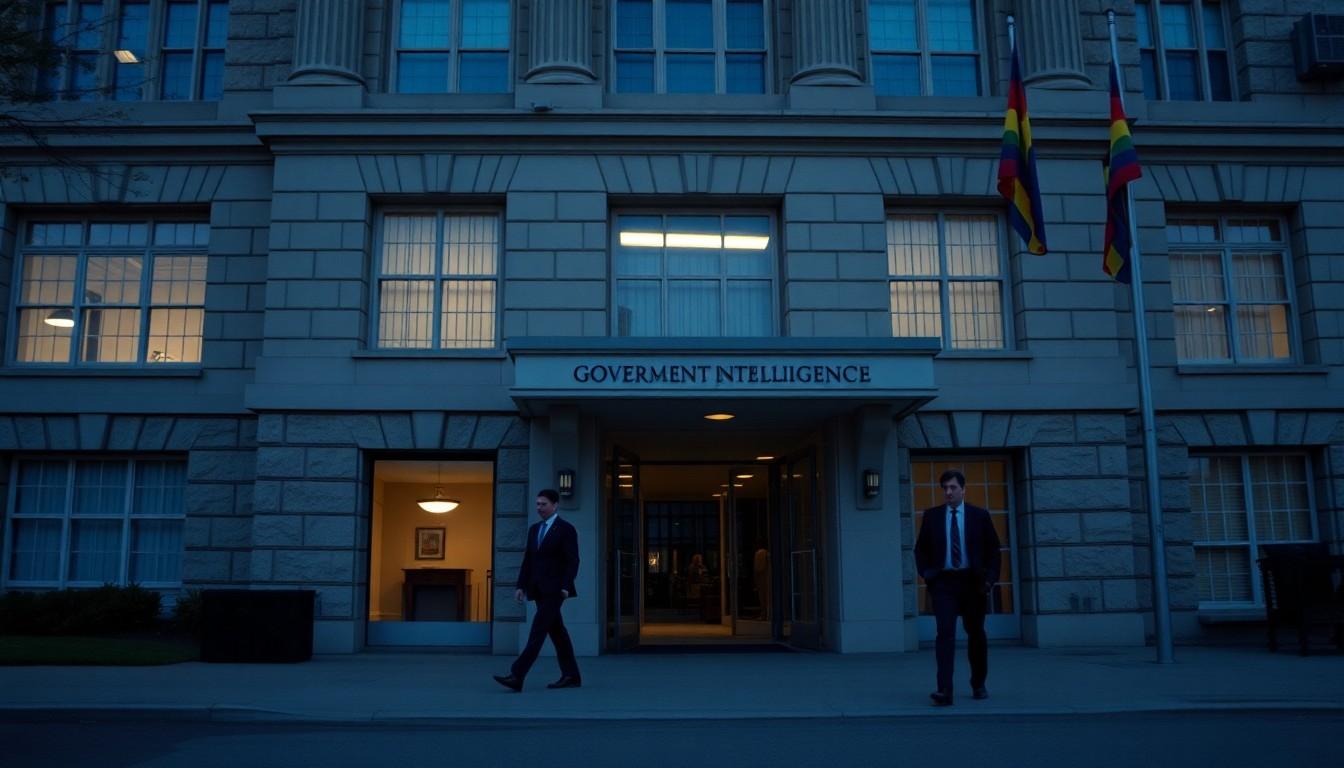
Watch for worrying signals: three former CIA officers say recent moves to roll back diversity programmes and target transgender employees risk repeating the Lavender Scare, with real operational and personal fallout for LGBTQ+ intelligence staff and the agencies that depend on them.
Essential Takeaways
- Historic echo: The Lavender Scare of the 1940s–50s purged thousands of gay federal employees, driven by security‑risk claims now being echoed again.
- Agency reversal: The CIA went from openly recruiting LGBTQ+ officers to disbanding employee groups and removing Pride recognitions after 2025 policy changes.
- Operational impact: Mismatched IDs, restricted bathrooms and erased support networks create safety and mission risks for transgender officers.
- Legal patchwork: Court fights have paused some firings and reassignments, but many affected staff remain in limbo on paid leave.
- Human cost: Former officers warn recruitment, morale and trust are suffering; some say they can no longer recommend service to LGBTQ+ applicants.
How a familiar fear has resurfaced in the intelligence world
Three veteran CIA officers have painted a stark picture: long‑hard‑won inclusion inside an agency once hostile to gay employees is being rolled back. That’s a chilling line to draw, and it resonates because the original Lavender Scare is well documented by historians and archives. Back then the government treated homosexuality as an automatic security vulnerability; the new wave uses different rhetoric but lands on many of the same outcomes , exclusion, surveillance and job loss. For those who remember the smell of fear in government corridors, this feels less like policy than déjà vu.
From recruitment to removal: the agency’s abrupt about‑face
Through the 1990s and 2010s the CIA shifted from secrecy to pride, featuring LGBTQ+ recruitment, documentaries about employee groups and public recognition for trailblazers. Then, after a 2025 federal order curbed diversity, equity and inclusion programmes, employee resource groups were dissolved and public expressions of support scaled back. That reversal didn’t just change marketing materials; it dismantled the informal safety nets that once helped officers navigate security processes, overseas travel and daily workplace identity. If you recruit less visibly, you also lose the talent pipeline , and that’s what former officers are warning about.
Why this matters beyond workplace culture: practical risks for operations
Practicalities can turn symbolic policy into mission‑critical problems. For transgender officers, a passport that doesn’t match appearance or limits on gender‑appropriate facilities abroad aren’t mere indignities , they can jeopardise cover and safety. The more the bureaucracy treats identity as a security flaw rather than an administrative detail, the more risk accumulates. Intelligence work demands adaptability and trust; stripping out supports that allow officers to present authentically chips away at both.
Legal fights and the human limbo of administrative leave
Some of the attempted dismissals and reassignments have been checked by courts enforcing civil‑service procedures, and injunctions have paused mass firings. But legal protections don't fix morale. Dozens of employees remain on paid leave, their careers stalled while reputations and livelihoods hang in a grey zone. That uncertainty spreads: colleagues remove Pride items, training programmes sputter, and potential recruits hesitate. The law can buy time, but it rarely restores the sense of inclusion that was lost overnight.
Bigger picture: a trend, not an isolated bluff
This isn’t just about one agency. Reports of firings and hostility have surfaced at other federal bodies too, and activists describe a broader climate shift. Businesses and civil‑rights groups are watching closely, because once the presumption of risk replaces policy nuance, ripple effects follow into hiring, contracting and public trust. If history is any guide, reversing institutional discrimination took decades; letting exclusion return may undo years of progress far faster than anyone expects.
It's a small change that can make every clearance, mission and career riskier , and it deserves scrutiny now.
Source Reference Map
Story idea inspired by: [1]
Sources by paragraph: