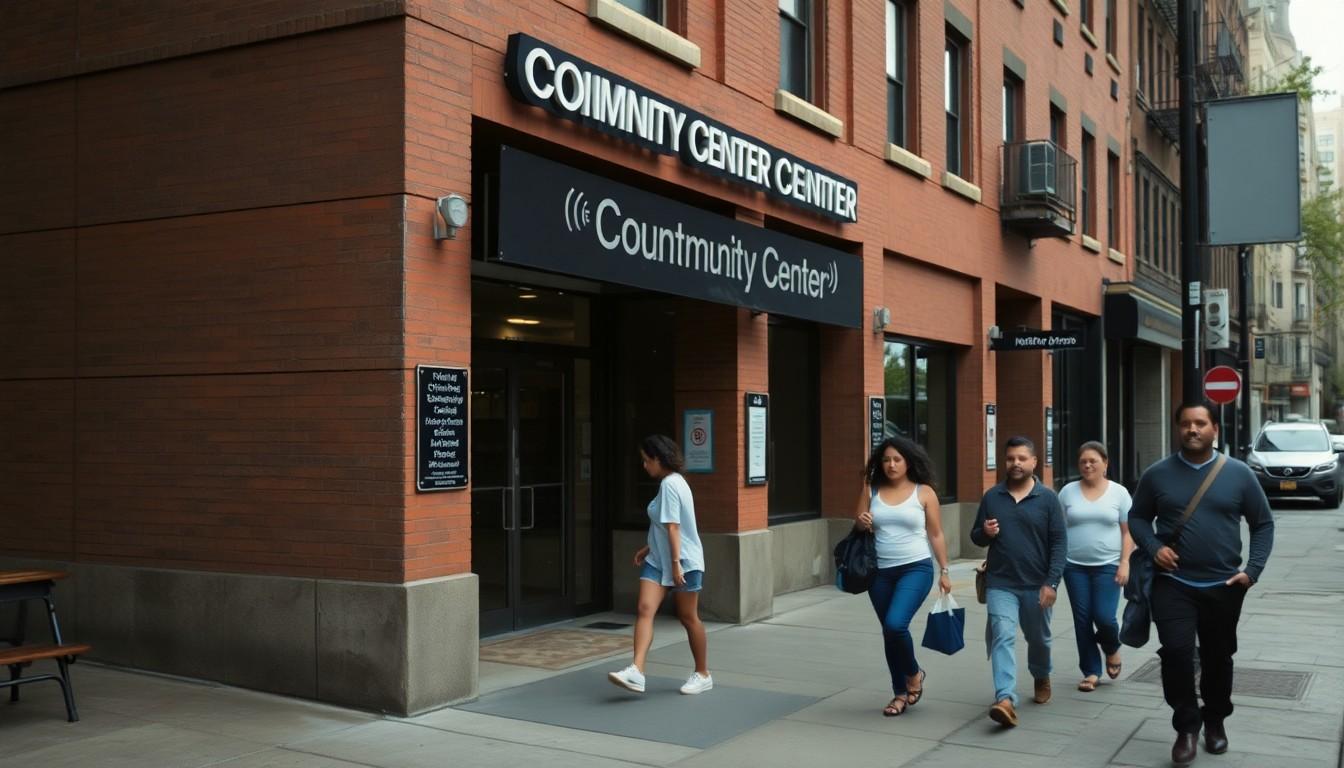
Shoppers for support are turning to community-centred services , THE CENTER in Manhattan has expanded a free, confidential Survivor Assistance Hotline that connects people experiencing domestic or intimate partner violence with trauma-informed, LGBTQ+-affirming help across housing, legal, mental health and benefits needs.
Essential Takeaways
- Direct access: The hotline offers a single entry point to coordinated survivor services, making it easier to start getting help.
- LGBTQ+-affirming: Staff are trained to avoid misgendering or outing and to recognise abuse in queer and trans relationships.
- Practical hours: Live intake is available Monday–Friday, 8 a.m.–6 p.m.; evenings and weekends get curated crisis referrals.
- Wide support: The programme links callers to housing, legal referrals, benefits navigation and mental-health resources.
- Confidential and voluntary: Services don’t require leaving a relationship or contacting police; survivors decide next steps.
Why one hotline matters , an easier first step with a human voice
Calling for help can feel like walking into a cold room; a friendly, informed voice makes it warmer and less scary. The Lesbian, Gay, Bisexual & Transgender Community Center’s Survivor Assistance Hotline is set up as that first human contact , intake coordinators assess safety, triage needs and map a practical pathway forward. According to THE CENTER’s own programme materials, this isn’t a one-off call, it’s a gateway into coordinated services that address housing, finances and mental health alongside immediate safety.
Recognising abuse beyond bruises , emotional, financial and tech-facilitated harms
Domestic and intimate partner violence isn’t only physical, and THE CENTER stresses that callers don’t need to have a neat label for their experience to get help. Emotional manipulation, coercive control, stalking and technology-enabled abuse are all valid reasons to reach out. That perspective reflects broader survivor-centred practice seen at other groups, like Safe Horizon and New York City’s domestic-violence services, which emphasise non-judgemental assessment and practical safety planning.
Why LGBTQ+-affirming support changes outcomes
For many LGBTQ+ people, the risk of discrimination or involuntary outing adds a second threat to the immediate danger they’re facing. Community-based services that affirm gender identity and sexual orientation reduce that anxiety and make it more likely someone will seek help. THE CENTER’s team is trained in trauma-informed care and partners with city agencies to fill gaps , a model that mirrors the specialised approaches advocated by national groups supporting queer survivors.
How the hotline plugs into a larger safety net
THE CENTER isn’t working alone. It has partnered with New York City agencies and other nonprofits to make referrals for housing, legal aid, benefits navigation and 24-hour crisis services when needed. That networked approach follows the city’s push to coordinate resources across shelters, policing alternatives and community organisations, so callers can move from immediate crisis support to longer-term stability without repeating their story to multiple strangers.
What callers can expect and practical tips for making the call
Callers can reach the Survivor Assistance Hotline during live hours (Monday–Friday, 8 a.m.–6 p.m.) at (212) 620-7310. Evenings and weekends, THE CENTER provides contact details for other crisis services, and emergency information is available after hours. If you or someone you know is thinking about calling, have any immediate safety concerns in mind, note nearby safe locations, and consider a trusted friend or advocate to contact afterwards. Remember, services are confidential and you don’t have to leave a relationship to get help.
It's a small change that can make every first call a safer one.
Source Reference Map
Story idea inspired by: [1]
Sources by paragraph: