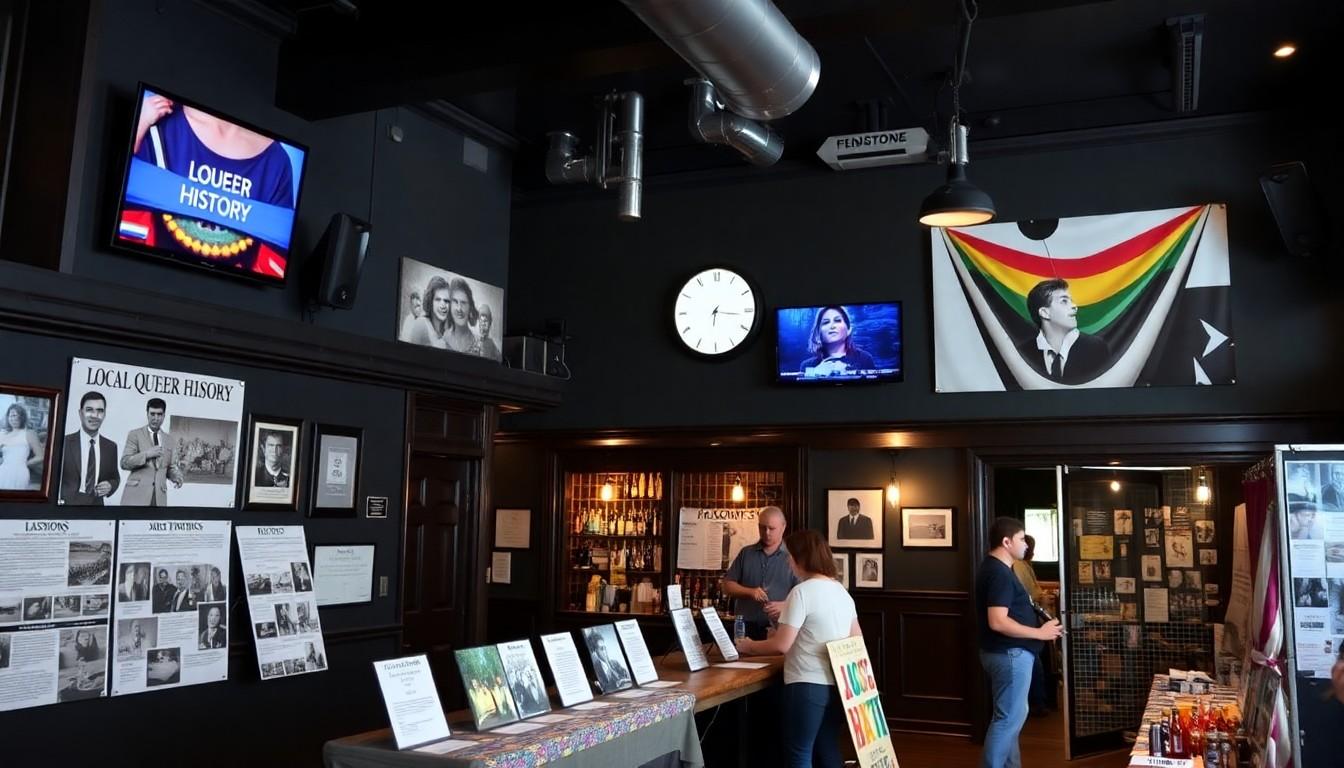
Shoppers and locals are already buzzing: a new lesbian bar is coming to Arlington next year that will celebrate Lilli Vincenz and DC’s queer history, offering an upscale cocktail room, archival displays, and community gatherings that matter. It’s a nod to past protests, home-hosted socials and the people who built today’s scene.
Essential Takeaways
- Historic dedication: The bar will be named for Lilli Vincenz and include displays about her life and local queer history.
- Community focus: Planned as an upscale cocktail bar that also hosts social events, drag shows and history programming.
- Roots in activism: Vincenz was a pioneering picketer in front of the White House and an early member of the Mattachine Society.
- Archive connection: Vincenz’s papers and films are in the Library of Congress, offering rich material for exhibits.
- Local support: Fundraisers and community drag performers are already backing the project, signalling local enthusiasm.
A bar with purpose: why a lesbian space in Arlington feels timely
Open a door and feel the history: that’s the promise behind this new spot, which its founder imagines as more than a place for drinks. According to organisers, the concept grew from a Pride Month panel and a personal connection to Lilli Vincenz’s story, and the bar is pitched as both a social hub and a living tribute. In a city where queer life has often clustered in shifting neighbourhoods, a venue explicitly for sapphic socialising is both practical and symbolic.
This isn’t nostalgia for nostalgia’s sake. Organisers point to Vincenz’s habit of hosting Gay Women’s Open Houses in her Arlington home in the 1970s and want the bar to carry on that tradition of accessible, women-centred gatherings. Think curated displays, a quieter corner for conversation, and events that help different generations talk to each other.
Lilli Vincenz: the life behind the name
Lilli Vincenz’s story reads like the spine of DC’s gay-rights history. She joined the Women’s Army Corps in the 1960s, was outed and medically discharged, then turned to activism, becoming one of the first women photographed picketing at the White House for gay rights and an early member of the Mattachine Society. She later helped found the Washington Blade and preserved an extensive archive of diaries, films and documents.
Archivists at the Library of Congress consider her papers a treasure trove: protest footage, parade films and personal materials that illuminate how grassroots organising and everyday life blended in the movement. Naming a public venue after her invites new audiences to learn that history while they socialise.
What to expect: cocktails, culture and community nights
The founders describe an upscale cocktail bar rather than a dive, with attention to craft drinks and a layout that works for intimate gatherings and performances. Programming plans include drag nights, history displays, and community fundraisers, one such event is already scheduled at a local water park with vendors and performers on board.
For anyone choosing whether to visit, note the emphasis on atmosphere: organisers want it to feel welcoming to a diverse sapphic crowd, not a homogenous scene. If you’re wondering about accessibility and nightlife needs, that’s part of the conversation as planners firm up the space.
How the bar connects to wider queer-history efforts
This project slots into a broader push to make queer history visible in public spaces. Local historians and activists have been working on markers, archives and commemorations that link protest sites, personal stories and modern celebrations. The same Lafayette Park where famous photos were taken of queer couples on marriage-equality days is the very spot Vincenz once picketed, and that continuity is what archivists say makes her story inseparable from DC history.
Expect collaborations with local museums, archives and performers who want history displayed in approachable ways, short films, reproduced documents and captioned photos that invite conversation rather than lecture.
Practical tips: how to support and what to look for
If you want to back the project, watch for fundraising events and community nights where proceeds go towards the bar’s build-out or programming. Attend public panels, volunteer for archive digitisation drives, or simply patronise events and vendors tied to the initiative. When the bar opens, pick an early visit during quieter hours if you prefer a more conversational vibe; save busier weekends for shows and drag sets.
Also, bring curiosity: the exhibits promise to provide context you won’t find on a typical night out, and your presence helps keep women-centred queer spaces visible.
It's a small change that can make every drink feel like part of a larger story.
Source Reference Map
Story idea inspired by: [1]
Sources by paragraph: