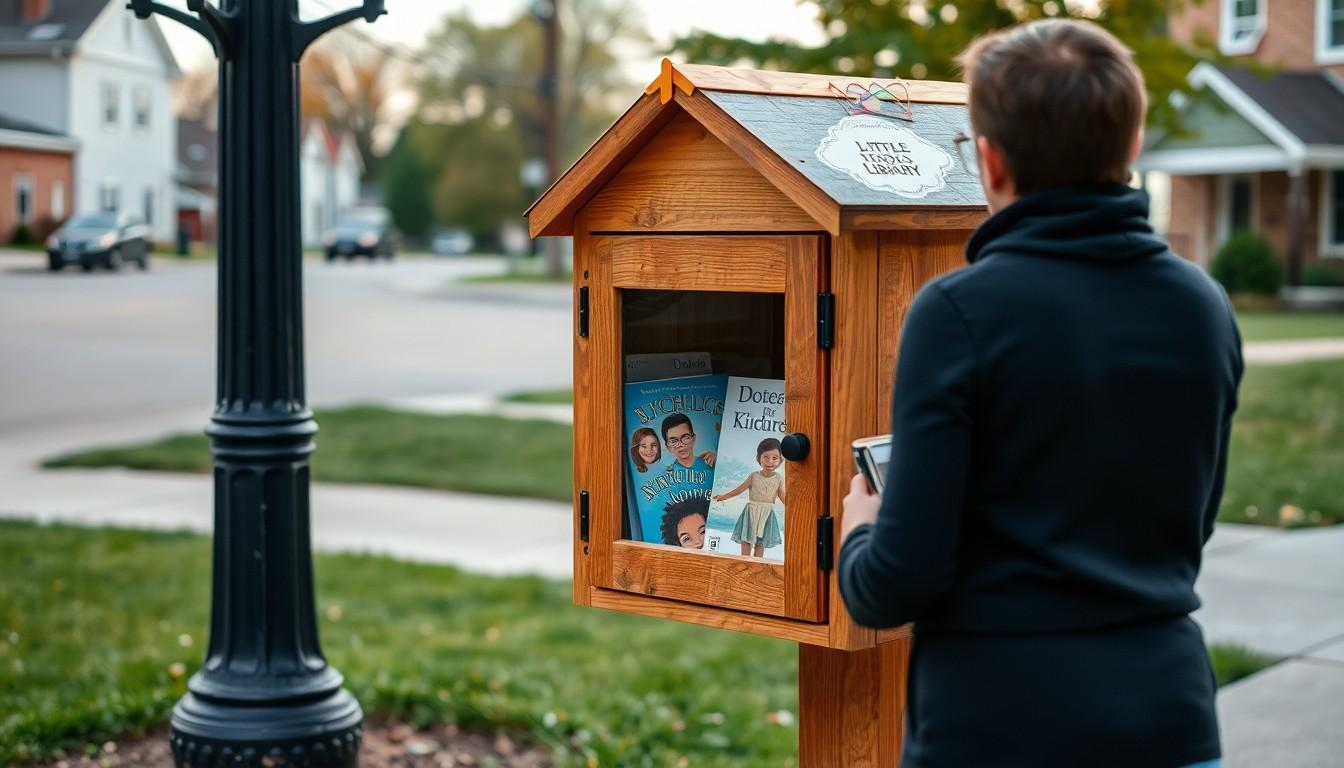
Shoppers and neighbours are spotting more queer stories on their street: Ohio Mama Bears are quietly filling Little Free Libraries with LGBTQ+ titles so kids and teens in conservative pockets can see themselves. This grassroots push matters because representation can be private, powerful and comforting where schools and shops fall short.
Essential Takeaways
- Local action: Ohio Mama Bears collect and place LGBTQ+ books into Little Free Libraries across the state, targeting areas with limited access.
- Wide range: Donations include picture books through adult fiction, so readers of every age can find affirming stories.
- Community-sourced picks: Titles are chosen from recommendations by LGBTQ+ people and parents who’ve used books to explain identity.
- Easy to help: Supporters can buy from wishlists, donate used copies, or give via PayPal; find Little Free Libraries on the organisation’s map.
- Quiet safety: Little Free Libraries offer discreet access for people who may not feel safe visiting conventional outlets.
Why a Little Free Library can be a big deal for a queer kid
There’s something quietly liberating about discovering a book on your way home, one that names a feeling you’ve been carrying alone. Sharon Rotblatt and Ohio Mama Bears bank on that small magic, filling neighbourhood boxes with stories that normalise LGBTQ+ lives and feelings. According to Little Free Library’s Read in Colour programme, visible shelves matter because they broaden who gets to be seen in public reading spaces.
The idea came from other Mama Bears who were already doing it elsewhere, and it spread fast on Facebook and Instagram. For families in rural or conservative parts of Ohio, a decorated wooden box at the end of a drive can be a lifeline: it’s anonymous, available 24/7, and doesn’t require permission slips or awkward conversations.
How the group chooses books , and why recommendations count
Ohio Mama Bears rely on word of mouth and lived experience when picking titles. Parents and LGBTQ+ readers suggest books that helped them come out, understand their gender, or simply feel less alone. That’s in keeping with the LGBT Booklove ethos of centring community-curated reading.
Practical tip: when donating, consider both age-appropriate picks and books that speak to intersectional identities , stories that show a variety of family types, cultures and experiences make the collection more welcoming.
Where the books go , targeting the places that need them most
Rather than concentrating only in liberal neighbourhoods, the group focuses on red or rural areas where school libraries may lack queer titles. That strategy recognises a simple truth: legislation and local politics don’t erase the people who live there, and access to representation shouldn’t be gated by postcode.
If you want to find a Little Free Library near you, Little Free Library’s online map is the quickest route. It helps volunteers see gaps and place donations where they’ll reach readers who can’t otherwise browse a mainstream bookshop.
How to donate, volunteer or start your own Little Free Library
There are lots of ways to help without staging a march. Ohio Mama Bears share wishlists on social media and accept PayPal contributions for bulk purchases. You can donate new or gently used books, contact organisers to arrange drop-offs, or build and register your own Little Free Library.
Building advice: pick a weatherproof box, bolt it to a post, and keep the collection curated, regular swaps keep the shelf fresh and visible. If you’re nervous about backlash, place the box on private property or partner with an accepting local business.
What this work means in a tougher political moment
Books aren’t a cure for hostile policy, but they’re a practical, human response. Representation reduces shame, sparks conversation and gives young people a private way to learn. Real Mama Bears’ wider mission , supporting, educating and advocating for families , ties these small acts of distribution into a bigger movement of change.
Rotblatt’s favourite comfort read, for instance, is a reminder that fiction can soothe as well as inform. That combination of solace and sense-making is exactly why these little libraries matter right now.
It's a small change that can make every read a little safer and a lot more hopeful.
Source Reference Map
Story idea inspired by: [1]
Sources by paragraph: