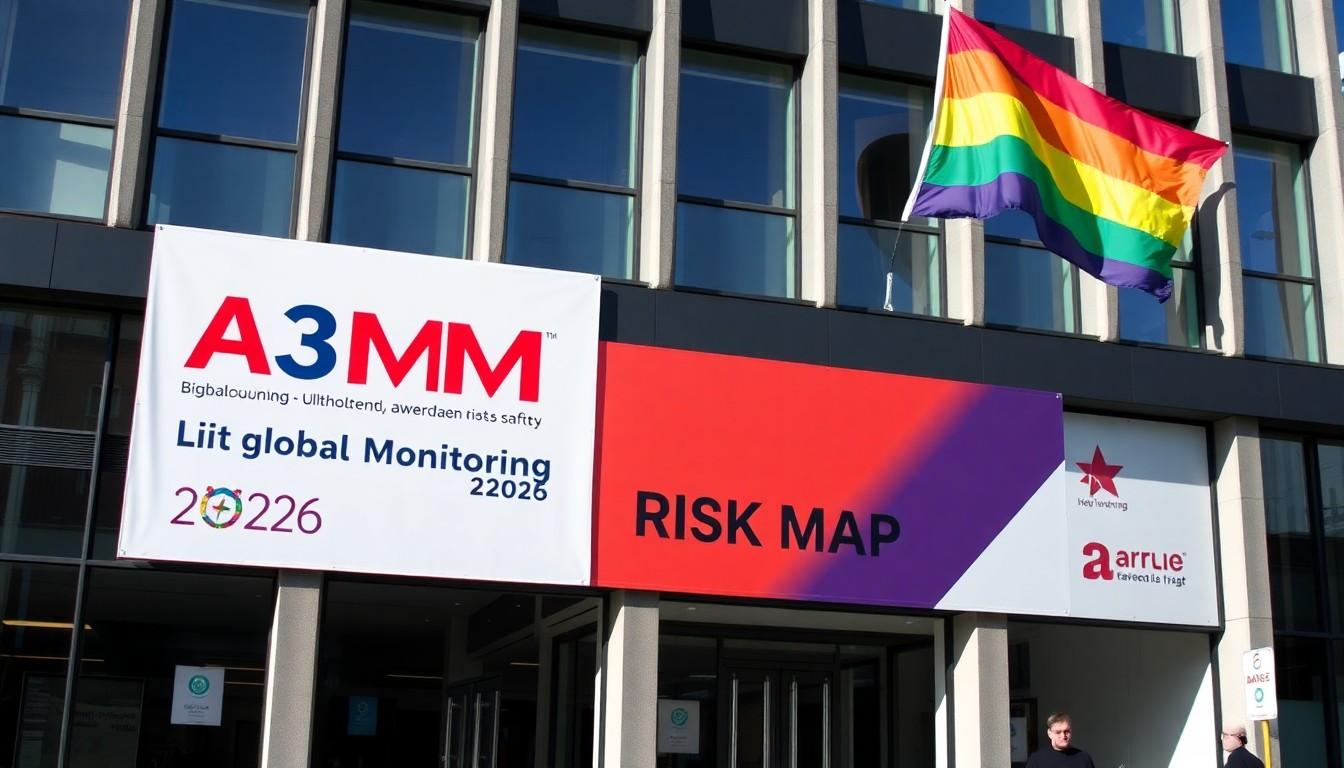
Shoppers, sightseers and queer couples are booking with intention , a fresh 2026 risk map shows where LGBTQ+ travellers actually feel safe, and why destinations from Malta to Canada top the list. Here’s what changed, what’s worrying experts, and practical tips for planning trips that respect safety and local communities.
Essential Takeaways
- Top-rated nations: Malta, Iceland, the Netherlands, Canada and Spain continue to rank highest for LGBTQ+ visitors, offering visible scenes and generally respectful treatment.
- On-the-ground measure: The new risk map blends laws with local insight , police responsiveness, public acceptance and whether couples can show affection are all considered.
- Mixed picture in the US: The United States scores well for vibrant queer neighbourhoods, but perceptions of safety and respect have dipped, especially for trans people.
- Improving and worsening spots: Some countries made real progress (for instance Botswana decriminalised same-sex acts), while others , Turkey, Uganda, Kazakhstan, Belarus , saw declines.
- Practical tip: Use local LGBTQ+ resources and specialist travel advisors before you go; queer tourism dollars can help local communities but do your homework.
Why this risk map matters , and why it’s different from laws on paper
The big insight from this update is simple: written laws don’t tell the whole story, and a lively, safe queer scene isn’t the same as legal protection. The map was drawn up by travel monitoring experts who interviewed local LGBTQ+ organisations and in-country specialists, so it captures everyday realities , whether couples can hold hands in public, if police respond respectfully, and how easy it is to report hate incidents. That on-the-ground view makes the guide far more practical for real trips, not just armchair reading.
Who’s topping the list , and what they’re doing right
Small countries with visible acceptance keep leading the pack. Malta, Iceland, the Netherlands, Canada and Spain all score highly because queer life is public, services are accessible, and authorities are generally responsive. You’ll find established Pride events, LGBTQ+ neighbourhoods and straightforward access to hospitality and health services. If you want a trip where you can relax and be yourself, these places still represent the safest bets.
Countries making progress , and why it matters
There are clear wins to celebrate. Botswana removed colonial-era laws criminalising same-sex acts, an important legal and symbolic step for southern Africa. China’s Supreme Court issued a ruling against discrimination by orientation or gender identity, and courts in other countries, like St Lucia, have struck down antiquated bans. These changes show the value of sustained advocacy and international attention , and they remind travellers that legal shifts can rapidly change the risk landscape.
Where things have slipped , a reminder of fragility
Some countries moved backwards, often after political shifts or the rise of populist leaders. Turkey, Uganda, Kazakhstan and Belarus were flagged as having worsened conditions, and experts say rhetoric from national figures influences everyday hostility. The United States also registered a significant drop in perceived respect and safety, particularly for trans people, even while its queer scenes and neighbourhoods remain prominent. That mixed picture shows why checking recent, local reports is essential before you travel.
How to travel safer and support local communities
Do your research: consult the updated risk map, seek advice from local LGBTQ+ organisations and consider booking through specialist queer-friendly operators. Don’t assume major cities are safe from prejudice , rural areas can be different. If you plan to bring visibility (public affection or activism), think about timing and location. And when you can, spend with local queer businesses and charities; advocates argue that tourism can provide solidarity and economic support, not just scrutiny.
It's a small change that can make every trip feel safer and more generous.
Source Reference Map
Story idea inspired by: [1]
Sources by paragraph: