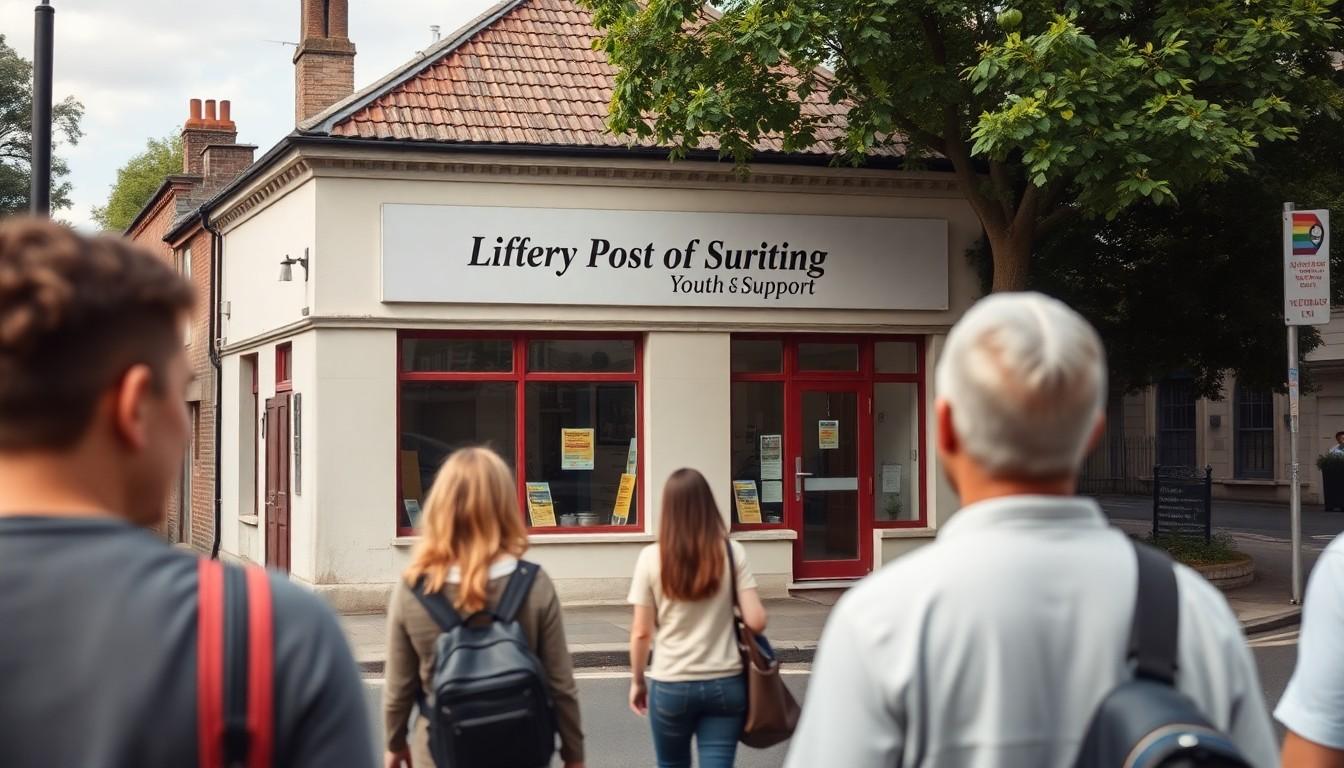
Shining a light on support: Bolton-born writer Matt Cain MBE and actor Gabriel Clark join 28 other stars in The Proud Trust’s national #DeserveBetter film, urging better understanding, safer spaces and more support for LGBTQ+ young people across the UK.
- High-profile backing: 30 celebrities and allies appear in the campaign film, giving it national visibility and emotional weight.
- Hard-hitting stats: Nearly half of LGBTQ+ pupils face bullying; almost 60% have seriously considered suicide, and around a quarter may not finish secondary school.
- Practical support: The Proud Trust runs youth groups, mentoring, family services, education programmes and a purpose-built centre, The Proud Place.
- Demand surge: Referrals rose sharply after a recent Supreme Court ruling, showing increasing need for specialist youth services.
- Tone and reach: The campaign mixes star power with lived-experience messages to normalise acceptance and press for better provision.
Big names, small details , why this film matters
The first thing you notice is the roster: from Matt Cain MBE to Gabriel Clark, Dannii Minogue to Sir Stephen Fry, the film stacks familiar faces to catch attention and lend reassurance. That matters because recognition gets clicks and, crucially, conversations started in communities that might otherwise stay quiet.
The Proud Trust has used celebrity voices before, but this moment feels different because the message is urgent, not celebratory. According to local coverage, the charity is asking the public and institutions to “do better” for young people who are still facing everyday hostility. If you’ve ever felt warmed by a familiar face speaking up, that’s the emotional nudge this campaign relies on.
The lived reality: worrying numbers behind the ask
Campaigns work best when they pair empathy with facts, and The Proud Trust does both. The charity reports that almost 60% of LGBTQ+ pupils have seriously considered suicide and nearly half have been bullied. Those stats are stark and explain why an organisation focused on youth support is pushing for systemic change.
You don’t need to be an expert to see the implications: poorer mental health, interrupted schooling and long-term impact on work and relationships. The film connects those cold figures to human faces, making the case that better support isn’t a nicety , it’s life-changing.
What The Proud Trust actually does , practical help on the ground
The Proud Trust isn’t just about messaging. It runs youth groups, mentoring, family services, education sessions and professional training, and it manages The Proud Place in Greater Manchester, a rare purpose-built LGBTQ+ centre. That combination of direct support and education helps young people feel less isolated and equips teachers, parents and professionals to respond.
If you want to help someone locally, look for youth groups, trusted helplines, or ask about school-based programmes. Small actions , pointing a young person to a weekly group, or encouraging a parent to join a family session , can make a measurable difference.
Why referrals spiked and what that signals for services
Referrals to The Proud Trust jumped dramatically after a recent Supreme Court ruling, reflecting how legal and political debates can push young people to seek help. A 171% rise was reported, which isn’t just a number: it’s staff answering more calls, more young people needing spaces, and greater pressure on funding and volunteers.
That surge shows why awareness campaigns matter beyond headlines. They highlight service gaps and can help charities argue for more resources. If you’re an employer, educator or councillor, this is a clear prompt to consider local provision and training.
How to support or get involved , practical next steps
If you want to back the campaign, sharing the film or following The Proud Trust on social channels is an easy start. Beyond that, support can mean volunteering, donating to local youth services, or asking schools about inclusive policies and staff training.
For families, reach out to local support groups and consider family sessions that teach acceptance and communication. For professionals, look for The Proud Trust’s training offers , better-informed adults reduce harm and change culture over time.
It's a small change that can make every young person feel safer and more seen.
Source Reference Map
Story idea inspired by: [1]
Sources by paragraph: