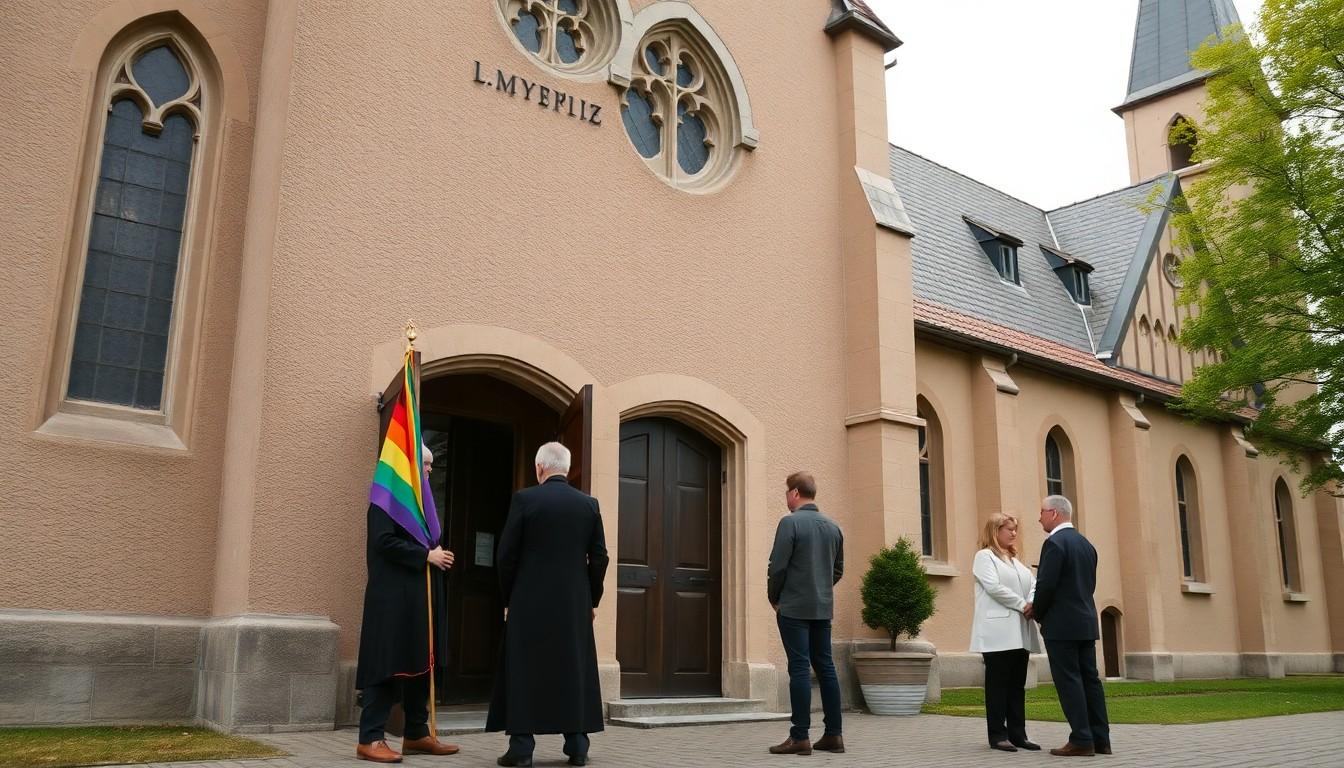
Shoppers of conscience and Catholics alike are watching as a German bishop urges parishes to become real refuges for queer people after the violent attack at Berlin’s Christopher Street Day; his call frames safety as a Gospel duty, not a PR line, and asks communities to turn words into protective, everyday practice.
- What happened: A violent attack at Berlin’s Christopher Street Day prompted renewed calls for protection and solidarity from church leaders.
- Who spoke up: Bishop Ludger Schepers, the German Bishops’ Conference’s LGBTQ+ representative, issued a firm appeal for churches to be safe, welcoming spaces.
- Concrete ask: Schepers wants language, pastoral care, and congregational life to change , not just statements of sympathy.
- Tone to expect: The message is pastoral and urgent, mixing Gospel language with practical responsibility; it feels humane, firm, and future-focused.
A blunt wake-up call , faith leaders responding with feeling
The attack on Berlin’s pride celebration landed like a splash of cold water for many people, and Bishop Ludger Schepers didn’t just offer a formal condemnation , he framed the response as a moral and pastoral necessity. According to reports in Kirche+Leben, he argued that defending human dignity means more than words; it means creating places where queer people can live, worship and find community without fear. The remark carries a quiet emotional weight , churches as refuge is both an image and a demand.
Why the church’s role matters now
Schepers roots his appeal in the Gospel: freedom, reconciliation and love are not abstract ideals but practical calls to shelter the vulnerable. That line of thinking matters because the Catholic Church is still seen by many queer people as a place of wounding rather than welcome. If congregations are serious about being sacramental presences in the world, Schepers suggests, they need to show it by protecting people when their dignity is threatened.
From apologies to action , what change looks like in practice
Schepers is clear that gestures aren’t enough. He asks parishes to adopt respectful language, open doors rather than erect barriers, and offer pastoral accompaniment rather than quick judgement. That’s a useful checklist: review liturgy and catechesis language, train pastoral teams in non-judgemental ministry, create visible welcome practices at Mass and parish events. Practical shifts like these make the rhetoric of welcome feel genuine.
How congregations can start , small steps that signal big hope
Not every parish needs to become an activist hub overnight, but small, consistent moves matter. Host listening sessions where queer parishioners can speak safely; publicise safeguarding policies; invite LGBTQ+ speakers and pastoral workers to shape ministry. These are gestures people notice , a quiet candle by the font, an inclusive prayer, a named support group , and they help turn a church into a recognisable place of refuge.
What the wider picture suggests , momentum and challenge
The bishop’s intervention comes amid a broader national conversation about how church leaders respond to queer Catholics; media coverage in Germany has tracked similar statements and criticisms from other bishops and church bodies. Schepers’s framing , that being a safe space is a Gospel consequence, not a concession , may press other dioceses to make their own, concrete commitments. The task ahead is cultural as much as administrative, and it will need persistent pastoral courage.
It's a small but meaningful shift: when welcome shows up in everyday parish life, it becomes harder for fear to take root.
Source Reference Map
Story idea inspired by: [1]
Sources by paragraph: