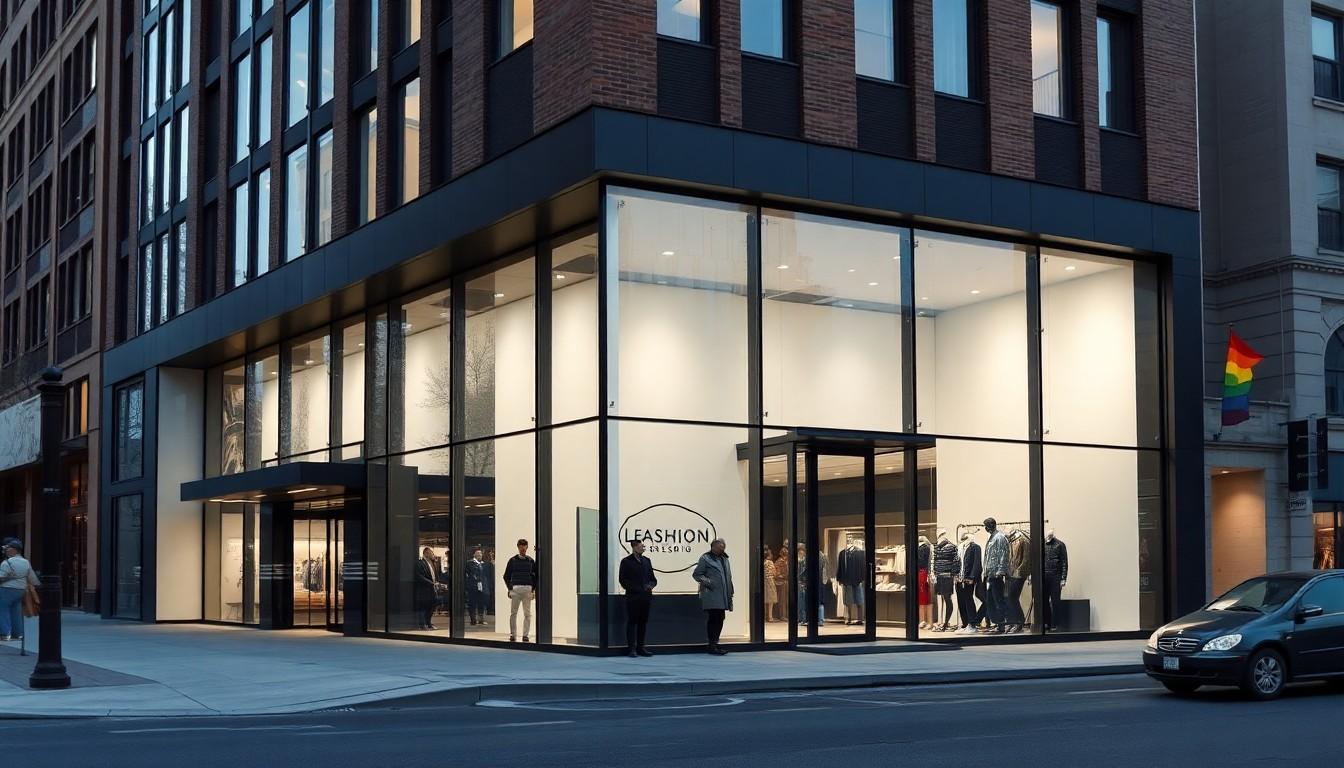
Shoppers are noticing that queer creators quietly rewired what we wear; from androgynous tailoring to provocative advertising, queer designers pushed fashion into new territory and broadened who gets to be seen. This matters because style is political, cultural and personal , and the people behind the seams often shape more than trends.
Essential Takeaways
- Historical shift: Queer designers helped introduce androgyny and multicultural casting into mainstream runways, changing beauty norms.
- Sexual politics in ads: Campaigns that framed men as objects shifted public conversation and opened new markets.
- Nightlife to runway: Club and drag scenes have been incubators for bold silhouettes and theatrical detail, feeding haute couture.
- Lasting influence: Designers’ work affects everyday items , think underwear, boxy tailoring or exaggerated couture , in visible, tactile ways.
How androgyny moved from fringe to fashion staple
The most visible legacy of queer influence is androgyny , that deliberate blur of masculine and feminine codes that feels both modern and familiar. Designers reworked suits, shirts and tailoring so they sit on any body, and that’s left a quiet but powerful mark on high street collections and bespoke tailoring alike. According to fashion retrospectives, this wasn’t accidental; dressing across gender lines offered new ways to express identity and power on the runway and in daily life. If you’re choosing a piece to last, look for clean lines and neutral tailoring that can be worn in multiple ways.
When casting became a political act
Breaking the old runway rules meant changing who appeared on stage. In the 1970s and later, shows began to reflect broader racial and cultural diversity, nudging an industry long obsessed with a narrow ideal. That change was political as much as aesthetic , it reshaped beauty standards and created opportunities for models from different backgrounds. For consumers that matters: brands that invest in inclusive casting often bring richer storytelling to their collections, and you can spot it in varied silhouettes and references.
Advertising rethought desire , men became visible objects
There was a time when fashion ads assumed only women could be objectified for style. Campaigns in the 1980s flipped that script, presenting men as desirable subjects and asking new questions about gaze, power and consumer desire. That shift widened fashion’s audience and normalised men’s grooming and underwear as legitimate style categories. If you remember a poster or a TV spot that felt like it was nudging at cultural taboos, that’s part of the same move that brought men’s underwear and male-bodied sensuality into mainstream retail.
Nightclubs and drag: the laboratories of daring design
Runways borrow theatricality from nightlife, and queer nightlife , particularly drag culture , has been a persistent creative laboratory. Designers have openly credited club scenes and performance communities for ideas about exaggeration, colour and silhouette. Those theatrical techniques land in ready-to-wear as ruffles, embellishment or daring proportion, and they teach designers how clothes perform under lights and in motion. If you want to understand a trend’s DNA, look at who’s wearing it first on the dancefloor.
Legacy names and new voices , both matter
From boundary-pushing couturiers to emerging queer label founders, the field is wide. Iconic names reimagined silhouettes and presentation, while contemporary makers translate those lessons into sustainable practices, streetwear and bridalwear. The result is influence at every price point , couture lessons bleed into high street adaptability. For shoppers, that means checking labels matters: you might discover a design lineage behind an ordinary tee or an innovative technique in a wedding dress.
How to spot and support queer influence when you shop
Look past logos. Check who’s designing the clothes, who’s in the campaigns and where the brand sources inspiration. Support independent labels and tailors who prioritise identity and craft, and favour brands that credit subcultures rather than appropriate them. Practically, size for fit rather than gendered tags, favour unisex cuts, and don’t be shy about altering garments to suit your body and style.
It's a small change that can make every outfit feel more honest and every purchase more considered.
Source Reference Map
Story idea inspired by: [1]
Sources by paragraph: