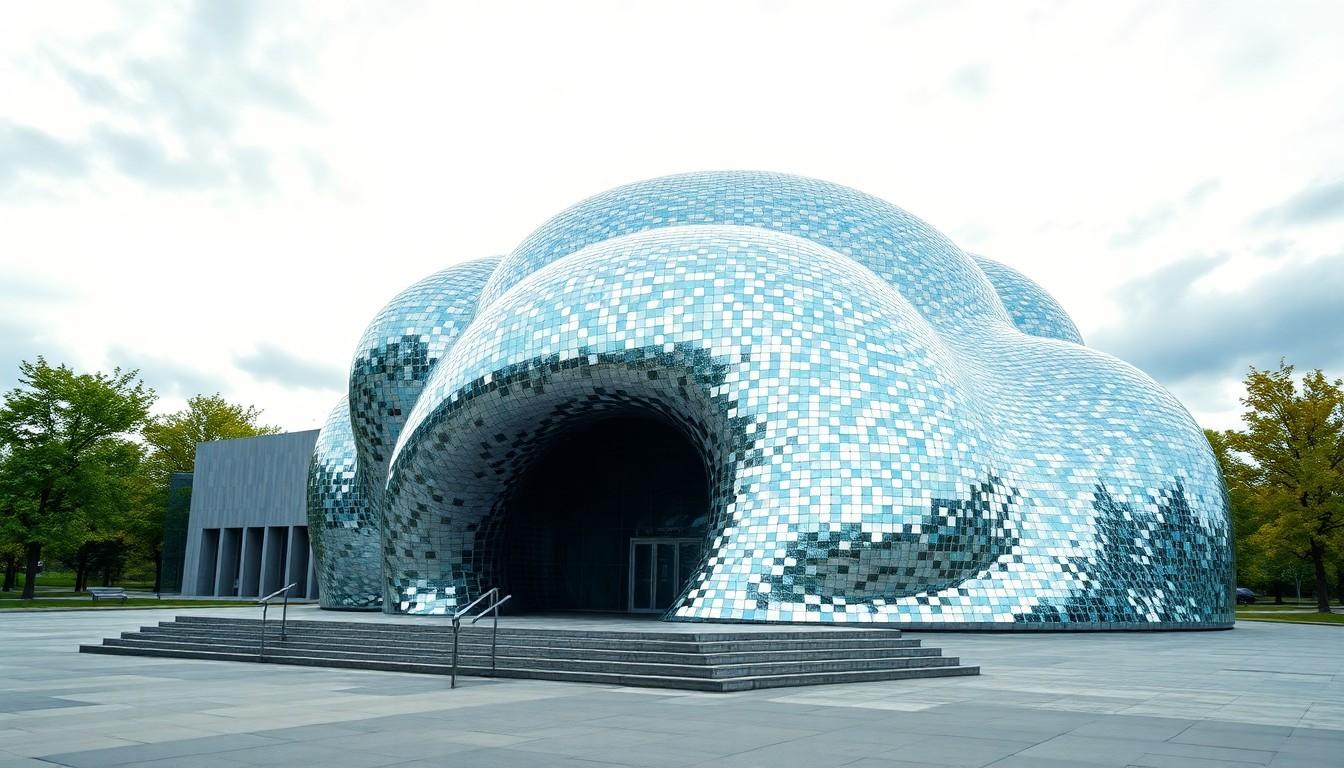
Shoppers of memory and makers of history are gathering this week as Canada unveils the Thunderhead Monument in Ottawa, a striking 2SLGBTQ+ national monument created by a Winnipeg team to recognise the federal government’s historic discrimination and to offer a place of grieving, healing and celebration.
Essential Takeaways
- Design origin: Winnipeg artists Shawna Dempsey and Lorri Millan led the winning concept, inspired by prairie thunderclouds to symbolise collective strength and uplift.
- Material and feel: The monument is a 30-foot white column hollowed into a thundercloud shape, its interior clad in disco-ball mirror tiles for a reflective, joyful experience.
- Context: Funded by the LGBT Purge Fund, the monument acknowledges the decades-long purge of queer people from the military, RCMP and federal public service.
- Landscape and ritual: The riverside setting includes a healing circle with 13 stones chosen by two-spirit community members, narrative walls, a tribute basin and a fruit orchard.
- Tone: The work balances solemn remembrance with exuberant resilience , a place both to grieve and to celebrate.
A thundercloud you can stand inside , the opening hook
The Thunderhead greets you like a prairie storm, minus the thunder and with plenty of light; step inside and mirrored tiles scatter the river sun into sparkling fragments. According to Public City Architecture, that reflective interior was deliberately chosen to make the space both intimate and celebratory, so visitors feel seen and lifted rather than only shamed or chastened.
How a Winnipeg idea became a national landmark
The monument’s story began in a 2020 design competition and was realised by a Winnipeg-led team that includes knowledge keeper Albert McLeod and landscape designers from Public City Architecture. Shawna Dempsey and Lorri Millan say their decades of activism fed into the concept , the thundercloud became shorthand for the surge of collective feeling at marches, dances and protests where queer communities found strength in numbers.
Why the site and the details matter
This is more than a sculpture; it’s a planned landscape for memory work. The site beside the Ottawa River features a healing circle anchored by 13 stones selected by two-spirit representatives from each province and territory, interpretive walls that tell the story of the LGBT Purge, a tribute basin and even an orchard. Those elements turn an aesthetic gesture into a place meant for ritual, learning and intergenerational conversation.
The purge acknowledged , legal and social context
The monument is funded through the LGBT Purge Fund, established after a class-action settlement that recognised the federal government’s systematic discrimination against queer public servants and service members from the 1950s to the 1990s. That funding route makes the Thunderhead explicitly an act of national acknowledgement: it’s a physical record that says the harm happened, communities were hurt, and Canada is trying to create space for repair.
Visiting, experiencing and what to expect
If you go, expect moments that are both heavy and oddly joyful , the mirrored tiles give the interior a disco-like warmth, while the surrounding landscape invites quiet reflection. Practical note: the monument is large and outdoors, so dress for weather; the designers intended an accessible, contemplative route so people can linger, read the narrative walls and use the healing circle. For educators, activists or family groups, it’s a ready-made site for conversations about history, policy and resilience.
It's a small but powerful change to the cityscape that lets people confront past harms while celebrating survival and community.
Source Reference Map
Story idea inspired by: [1]
Sources by paragraph: