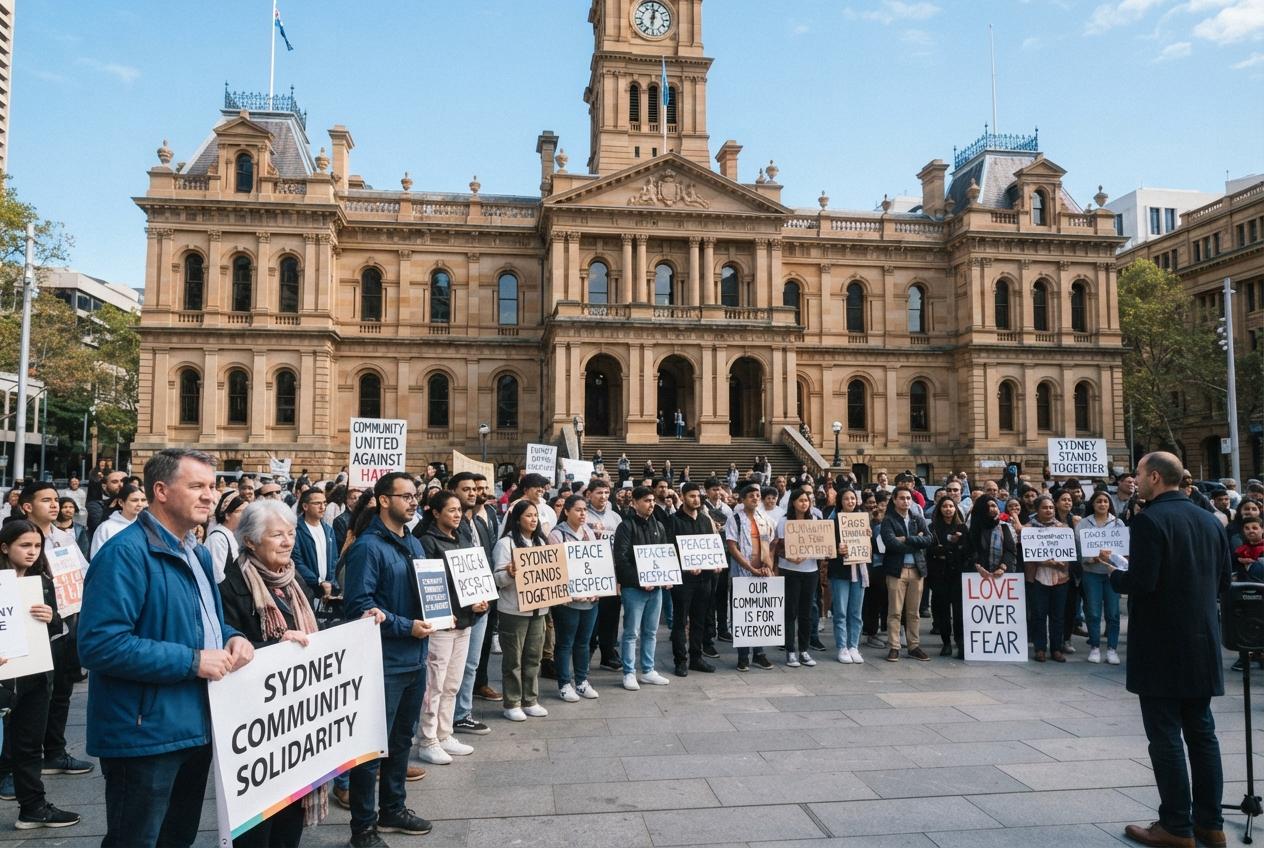
Shoppers, commuters and activists are bracing for a clash in Sydney this Sunday as Pride In Protest stages a “TERFs Off Our Turf!” counter-demonstration at Town Hall to meet a conservative “Restore Women’s Rights – Fix the SDA” rally at Martin Place; it matters because the dispute centres on whether gender identity protections in the Sex Discrimination Act should stay.
Essential Takeaways
- Who’s gathering: Pride In Protest will counter-protest an RWR rally planned by gender-critical campaigners calling to amend the Sex Discrimination Act.
- What’s at issue: The proposed changes would remove or weaken gender identity protections added in 2013, affecting access to single-sex spaces and services.
- Tone and stakes: Expect tense rhetoric and confrontations, with organisers framing the day as defending rights and critics arguing for sex-based exemptions.
- Practical reality: The current law already prohibits discrimination on the grounds of sex, sexual orientation, gender identity and intersex status, so suggested changes would narrow existing protections.
- Local impact: This is part of a wider national debate that could influence future policy and community relations across workplaces, sport and service provision.
What’s happening in Sydney , two rallies, one day, different aims
Sunday’s back-to-back gatherings are a classic civic moment: one side pressing for legislative change, the other pushing back to protect existing rights. Pride In Protest has branded its counter-demonstration “TERFs Off Our Turf!”, signalling a direct challenge to the gender-critical messaging at the “Restore Women’s Rights – Fix the SDA” (RWR) rally at Martin Place. You’ll see placards, passionate speeches and a lot of people who feel the issue touches daily life , from using bathrooms to access to shelters. For anyone planning to be in the CBD, expect noise, strong views and possible disruptions to foot traffic.
Why the Sex Discrimination Act is the battleground
The 2013 amendments to the Sex Discrimination Act introduced gender identity protections into Australian law, broadening anti-discrimination cover to include people whose lived gender differs from the sex assigned at birth. RWR campaigners argue those changes should be reversed or narrowed, saying single-sex spaces need clearer, sex-based rules. Opponents counter that rolling back protections would legally permit discrimination against transgender and gender-diverse people. It’s a policy fight with clear legal consequences , for workplaces, schools, sports clubs and frontline services.
Who’s speaking and why it matters
Speakers on the RWR side, including high-profile gender-critical voices, have framed the law as “muddled” and in need of repair. That rhetoric feeds a sense of urgency among supporters who worry about women-only spaces and sport fairness. Meanwhile, activists at the counter-protest argue the current protections are essential for safety and dignity, and that attempts to “fix the SDA” are a move to exclude trans people. Public personalities on both sides give this more momentum; for the rest of us it’s a reminder that law isn’t just abstract , it shapes everyday access and belonging.
How this fits into the wider political landscape
This weekend’s events echo broader national conversations. Political figures and advocacy groups have increasingly debated whether and how to carve out sex-based exemptions from anti-discrimination protections. That won’t disappear after Sunday: any organised push for legal change tends to migrate into parliamentary debate, media cycles and policy submissions. For activists, protests are both a visibility tactic and a way to pressure lawmakers; for communities, they’re an early sign of fights that could land in court or in new legislation.
If you’re going, how to show up or stay safe
If you plan to attend either rally, go prepared: bring water, wear comfortable shoes, and expect loudspeakers and dense crowds. Keep to public routes and follow stewarding instructions , organisers usually have safety briefings. If you’re photographing or recording, be mindful of people’s consent, particularly in sensitive settings. And if you’re staying away, check transport updates and give yourself extra time through the CBD. Above all, remember protests are a form of democratic expression; keeping interactions civil helps the conversation move forward.
It’s a small change in law with big human consequences , and this weekend’s rallies will help show which way public opinion is leaning.
Source Reference Map
Story idea inspired by: [1]
Sources by paragraph: