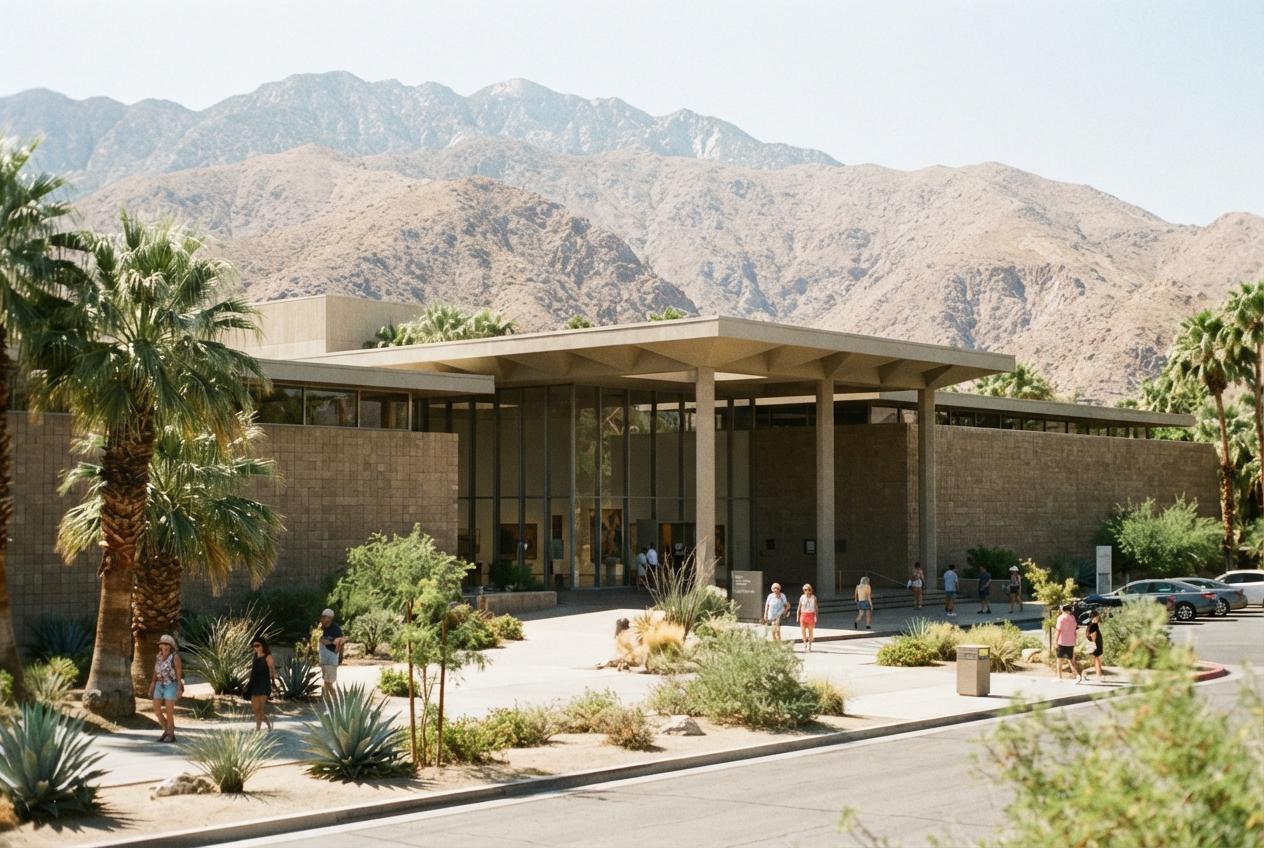
Shoppers are turning to the Palm Springs Art Museum this spring: A Queer Arcana brings together art, zines, tarot, and altar-like paintings to show how occult practices have helped LGBTQ+ communities survive and imagine new worlds , a timely, visual study in queer resistance and spirit.
Essential Takeaways
- Dates and place: A Queer Arcana runs March 28–October 18, 2026, at the Palm Springs Art Museum.
- Mix of media: The exhibition pairs archival zines and pamphlets with contemporary sculpture, paintings, and kinetic pieces , tactile, intimate, and often “witchy.”
- Themes to expect: Sections include “Out of Your Broom Closets,” “Magical Americas,” and “Sex Magick,” signalling political, regional, and bodily concerns.
- Emotional tone: The show reads as resilient rather than victimised , many works feel protective, ritualistic, and celebratory.
- Local resonance: Palm Springs’ large LGBTQ+ community and the museum’s Q+ Art Initiative give the exhibition a civic as well as artistic purpose.
Why this show feels urgent: queer survival framed as ritual
Step into the galleries and you notice a particular hush , archival boxes, zines, and tarot decks invite a kind of private reading. The curatorial pivot is clear: esotericism has often been queer code, a way to talk, grieve, and plan under threat. Palm Springs Art Museum’s new survey foregrounds objects that once circulated underground, and that tactile, secretive quality gives the rooms a lived-in warmth.
Curator David Evans Frantz draws on private collections and institutional archives to show how occult language became a resource for community building. According to the museum’s exhibition notes, print culture from the 1970s and 80s sits alongside contemporary artworks to trace that continuity. For visitors, the result is both a history lesson and a ritual space , you leave feeling the past is still speaking.
The archival heartbeat: zines, pamphlets and a protective magic
The entrance cases are small theatre: zines like Mirage (1974) and pamphlets such as Arthur Stewart’s Witchcraft and the Gay Counterculture are displayed like talismans. These printed ephemera read like manifestos, personal notebooks, and survival guides all at once, and they smell faintly of paper and time , intimate and defiant.
There’s a clear throughline between grassroots publishing and political organising. The museum borrows from the One Archives at USC and other collections, showing how occult themes worked as both metaphor and method for queer activism. If you want to understand how worldbuilding happens on the margins, start with the pages.
Art that functions as altar: paintings and sculptural memorials
Contemporary works in the show often take altar form. Clarity Haynes’s oil “altars” and the arrangement Alltar for Laura Aguilar use objects and portraiture to conjure presence; they don’t just memorialise, they keep people in circulation, visually and spiritually. These pieces feel tactile , stones, photographs and assembled objects create a quiet, ritual intimacy.
Nearby, Nancy Azara’s painted wood Circle with Seven Hands invites movement and reflection. Its golden planks and red handprint gesture toward rebirth and protection, linking feminist spiritual practice to a broader queer reclamation of ritual. The work makes a short, powerful argument: sculpture can be a gathering place.
Sex, bodies and power: why Sex Magick matters in the gallery
One of the show’s more visceral themes is Sex Magick, where desire and ritual are indistinguishable. Candice Lin’s PPD (Personal Protective Demon) collapses the spiritual and the carnal into a kinetic object, its silk covering and obscured totem evoking both threat and shelter. The piece feels slightly grotesque and strangely protective, reminding viewers that bodies have always been political terrain.
This section explains a simple practical truth: when identity is policed, erotic practice can be a form of refusal. The museum’s programming frames Sex Magick not as titillation but as survival strategy, a way artists have argued for bodily sovereignty.
Place matters: the desert, modernism and local identity
The Palm Springs setting resonates. The exhibition borrows the desert’s symbolic language, showing works by Agnes Pelton and Marsden Hartley that use geometric forms and misty desert light to suggest transcendence. Those landscapes sit beside commissioned work by Hilma’s Ghost, linking regional mysticism to broader spiritual urgency.
Palm Springs also has a civic claim to the project. With 30–50% of local residents identifying as LGBTQ+, the museum’s Q+ Art Initiative feels like a community conversation rather than a distant critique. The show lands as both local witness and national statement , a museum using its collection to model how queer histories can be preserved and celebrated.
How to visit and what to bring
Plan for slow looking. The rooms balance small ephemera with larger-than-life altars, so give yourself time between vitrines and canvases. Expect dim lighting near archival cases and quieter galleries for the altar works. If you’re bringing a friend who’s new to occult language, start in the print case: the zines are the clearest entry point.
If you’re interested in programming, the museum’s Q+ Art Initiative frequently schedules talks and tours that unpack the show’s themes. And if your interest is practical: museums recommend not touching, but bringing a notebook helps , these are works that reward close, recorded observation.
It's a small change that can make every ritual, pamphlet and brushstroke feel like an act of endurance.
Source Reference Map
Story idea inspired by: [1]
Sources by paragraph: