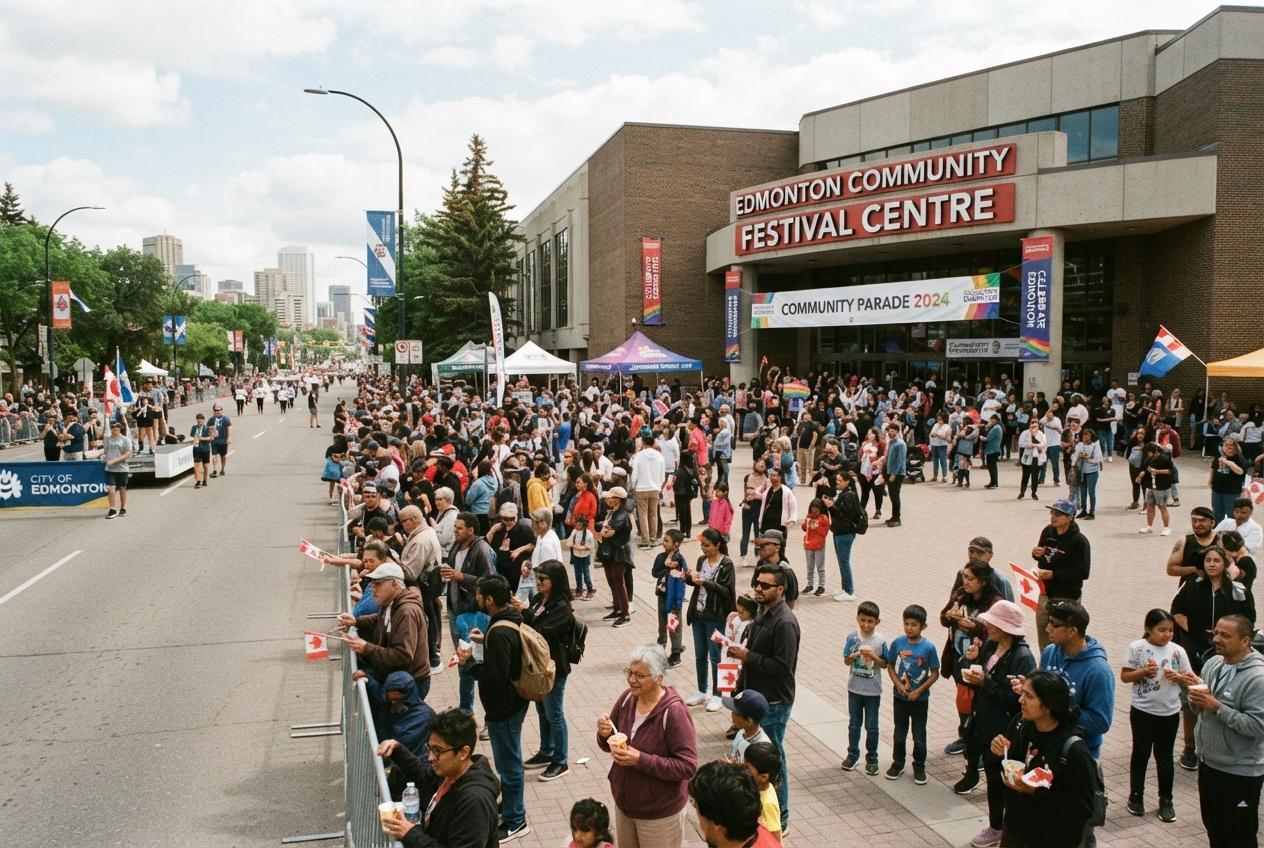
Shoppers, residents and Pride-goers are watching as Edmonton PrideFest confirms police presence at this year’s parade, a move organisers call sensible but that some community groups say reopens old wounds; here’s what’s at stake, why it matters and how attendees can stay safe while staying principled.
Essential Takeaways
- Organisers' view: Edmonton PrideFest says extra security and police are precautionary to keep crowds safe and help people get home securely.
- Community concern: Some groups, including grassroots organisers, have cut ties, arguing police presence recalls historic harms against LGBTQ+ and racialised people.
- History matters: Edmonton police apologised in the past for mistreatment linked to a 1981 bathhouse raid, a memory that still shapes trust.
- Practical tip: If you plan to attend, check festival updates, follow safety advisories, and consider arrival and exit plans to avoid congestion.
- Emotional cue: The debate feels personal , many want safety, while others want accountability and community-led protection.
Why organisers say police are a practical choice
Organisers invited police to play a visible role this year as part of stepped-up security after high-profile incidents overseas raised alarm. The parade is one of the largest Pride events on the Prairies, and organisers argue that a sturdy security presence helps reassure families, visitors and long-time attendees that the event will be safe and orderly. For many, the sight of officers provides a calm, practical comfort , crowd control, traffic management and fast response to any incident.
That said, the decision didn’t happen in a vacuum; it follows conversations about public safety and logistics that festivals everywhere now face. If you’re attending, it’s worth noting the festival’s posted guidelines and map so you know where help points and first-aid stations are, and to plan how you’ll leave once the parade ends.
Why some groups are walking away , historical hurt fuels protest
Not everyone agrees this is progress. Several community groups have publicly cut ties with the festival, citing deep distrust of police based on historical and ongoing harms. Activists point to memories of policing tactics that criminalised queer spaces, and they argue Pride should centre the voices of those most harmed by systemic abuse.
This is familiar terrain in Edmonton: past years have seen protests and heated debate over whether police should march or be excluded, and those arguments resurface whenever uniforms return to Pride. For people whose lived experience includes discrimination at the hands of law enforcement, the decision feels like a betrayal of Pride’s radical roots.
The local backstory: apologies, policy changes and past protests
Edmonton’s relationship with police and Pride has been complicated. The police service issued an apology years ago about mistreatment tied to an early 1980s raid on a downtown bathhouse, a wound that still shapes trust. In the past, organisers, officers and demonstrators have negotiated compromises , from officers not wearing uniforms to limits on who may march , in attempts to balance visibility with sensitivity.
Those precedents matter. They show that policy can shift, and that festivals can try to be responsive. Still, choices this year suggest organisers judged visible policing necessary in light of international incidents and the large crowd expected.
How attendees can navigate safety and principle
If you care about both safety and solidarity, there are practical steps you can take. Check the festival’s official channels for updates on where stewards and police will be posted, and seek out community-run safe spaces and affinity groups that will be present. Consider arriving with friends, agree on a meeting point, and identify quieter exit routes to avoid crowded transport hubs.
If you want to protest the policy, do so peacefully and follow marshals’ instructions , disruptions can risk safety and shift focus away from the communities Pride is meant to celebrate. Meanwhile, festival staff and volunteers often welcome constructive feedback , use comment lines or post-event surveys to make your views heard.
Looking ahead: conversation, compromise or continued clash?
This year’s debate feels less like a single squabble and more like an ongoing negotiation about what Pride should look and feel like. Some will welcome a visible police role as a straightforward safety measure, others will see it as reopening old wounds. Both positions are rooted in real experiences and concerns, which means the best outcome will likely be a mix of improved safety planning, clearer accountability measures and strengthened community-led supports.
Organisers, police and community groups may still need to talk more, but the wider public can also push for solutions that centre marginalised voices while protecting people in the moment.
It's a small change that can make every paradegoer's experience both safer and more mindful.
Source Reference Map
Story idea inspired by: [1]
Sources by paragraph: