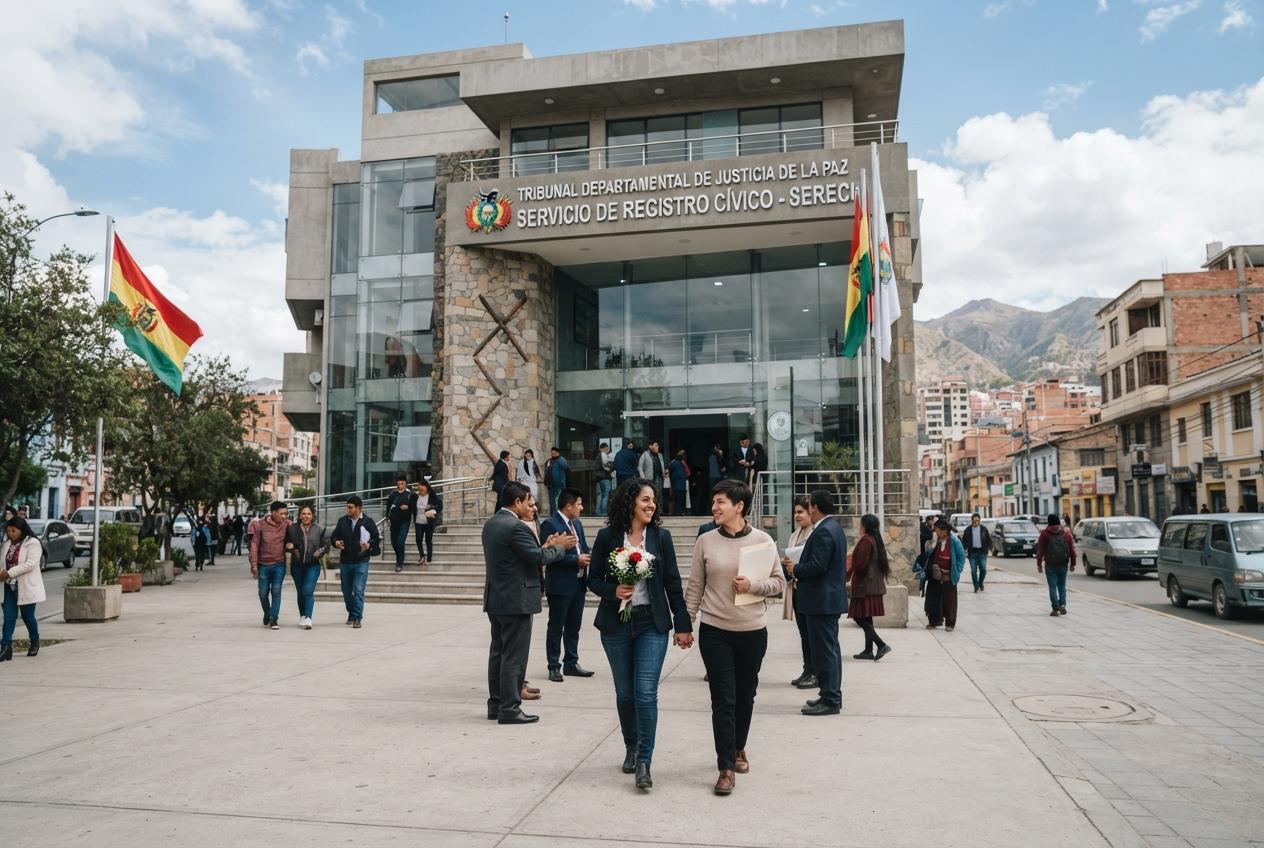
Shoppers for change, advocates and curious neighbours have been talking non‑stop since Bolivia’s first same‑sex civil marriage , a personal celebration that doubled as a legal milestone in a traditionally conservative country, and a sign of shifting rights and debates about family law.
Essential Takeaways
- Historic union: Bolivia registered its first legally recognised same‑sex civil marriage following a court ruling, celebrated by the couple and widely covered in regional media.
- Emotional moment: The wedding was intimate and joyous , hurried hair and makeup, dancing in white dresses, and over a hundred guests who cheered the milestone.
- Legal backdrop: Bolivia’s constitution has long defined marriage as between a man and a woman, so this marriage follows a pivotal judicial decision that altered how the law is applied.
- Wider impact: The ruling could open doors for other same‑sex couples seeking civil recognition, while likely prompting legal and political debates in the coming months.
An intimate party that doubled as a landmark
The image that will stick with many people is simple and human: two women, dresses bright and eyes damp with happy tears, stepping into a new life together. That joy matters because it makes abstract legal change feel immediate and warm. According to regional reporting, the couple moved quickly from the registry to finish preparations and then danced late into the night with friends and family.
This wasn’t just a social celebration. It followed a court decision that allowed the civil registry to recognise their marriage, effectively translating a judicial ruling into everyday life. Observers say moments like this help normalise change , they turn headlines into kitchen‑table conversations.
Why the ruling changes the legal landscape
Bolivia’s constitution has traditionally defined marriage as the union between a man and a woman, so legal recognition of a same‑sex civil marriage marks a turning point. The court ruling that enabled this wedding establishes a precedent for how authorities might treat similar cases going forward.
Legal analysts note that a single ruling doesn’t rewrite the constitution, but it does set administrative practice in motion. That means couples now have a clearer pathway to seek recognition, even as lawmakers and conservative groups push back. Expect lawyers and advocacy groups to use the ruling as a basis for further challenges and clarifications.
Reactions are personal and political
Friends and family who attended spoke about relief and celebration; activists called the marriage a victory after long campaigns for equal treatment. Meanwhile, religious and conservative voices will likely contest the decision in public and political arenas. That mix of celebration and contention is familiar from other countries that have expanded marriage rights.
Media coverage has balanced the human story with analysis. Reports highlighted both the emotional ceremony and the technical steps that led there, helping readers understand the ruling’s practical effects , from how civil registries process marriages to what documentation couples may need.
What this means for other couples and everyday life
For same‑sex couples in Bolivia, the ruling offers hope and a roadmap. Practical steps will include checking local registry procedures, understanding what documents are required, and being prepared for possible bureaucratic delays. Couples might also want legal advice to ensure their rights are protected for matters like inheritance, health decisions and parental recognition.
On a social level, marriages like this one invite neighbours, colleagues and extended families to see equality in action. That everyday visibility often softens resistance and accelerates acceptance over time.
Looking ahead: legal clarifications and cultural conversations
The immediate future will likely bring more legal challenges, clarifications from registries and renewed political debate. Activists will press to consolidate rights, while critics may seek legislative or constitutional responses. In practical terms, courts, registries and lawmakers will need to sort the details , and couples will test how smoothly the system actually works.
Change rarely feels tidy, but every real wedding day carried out under new rules is proof that legal shifts can reach ordinary lives.
It's a small, joyful step that could mean a lot for other couples seeking recognition.
Source Reference Map
Story idea inspired by: [1]
Sources by paragraph: