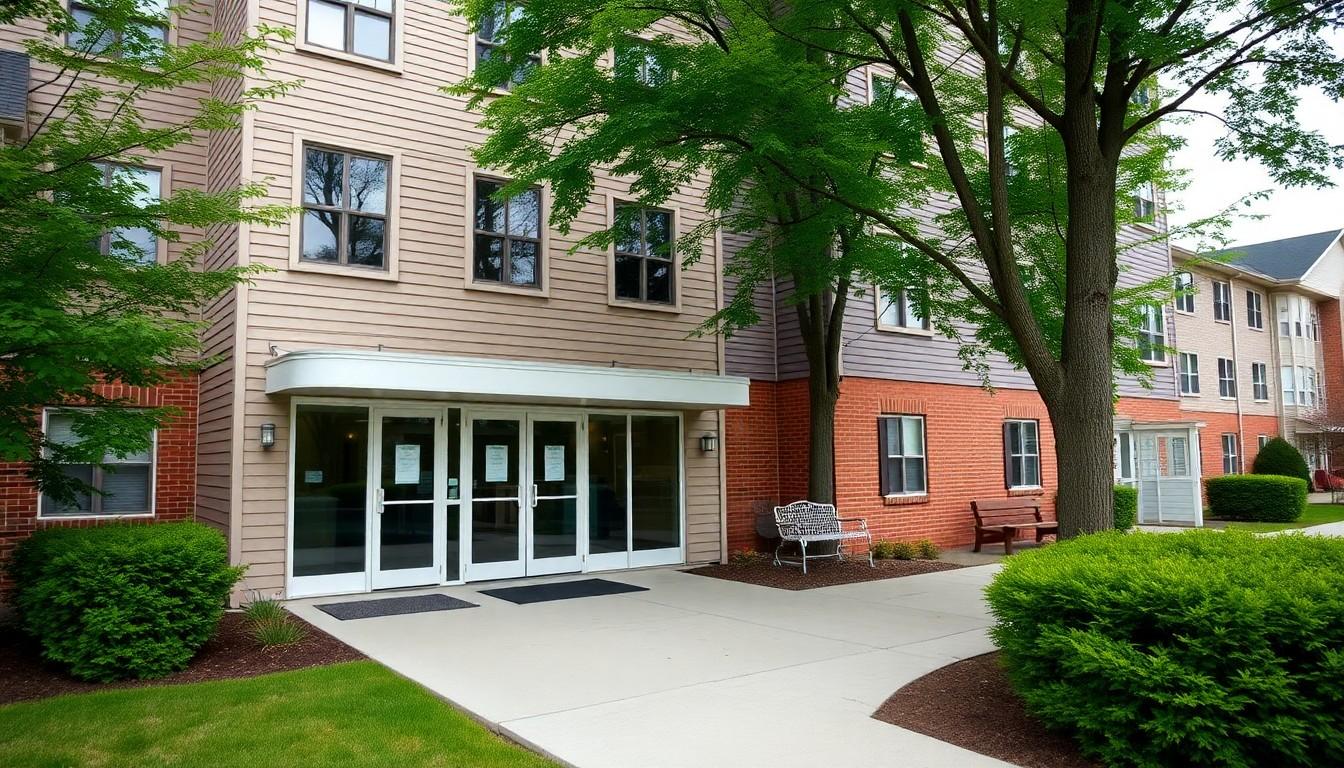
Shoppers for safe, affordable housing are finding a rare new option in Portland: Equality Commons, Maine’s first affordable housing complex designed with LGBTQ+ older adults in mind, opened this week , it’s about community, access and filling a long-standing gap where demand already outstrips supply.
Essential Takeaways
- New development: Equality Commons offers 54 affordable units adjacent to the Equality Community Center, creating easy access to services and social programming.
- Accessible by design: 19 units are ADA-accessible and 11 serve residents with disabilities or living with HIV/AIDS, giving the development a practical, inclusive feel.
- Income rules: Households must include someone aged 55+, and income caps are set at 50% or 60% of Portland’s median income depending on the unit.
- High demand: Applications already outnumber available units by roughly four to one, signalling deep need among older Mainers.
- Open eligibility: Residency is prioritised for LGBTQ+ older adults but not restricted , the focus is on safe, affordable housing for older households.
Why Equality Commons matters: safe housing with a human touch
Portland’s new building does more than put roofs over heads; it aims to rebuild a sense of belonging for older LGBTQ+ people who’ve often faced isolation or discrimination in mainstream housing. The rooms and common areas are described as practical and welcoming, with the adjacent Equality Community Center offering easy access to wellness classes, support groups and social events. That adjacency matters , it turns a housing complex into a neighbourhood hub, quietly easing loneliness and practical barriers.
The project grew from years of advocacy and planning, responding to data that older LGBTQ+ adults experience higher housing insecurity and are likelier to live alone. Local groups pushed for a model that combines affordability with targeted services, and the result is a building that feels purpose-built rather than retrofitted. For older tenants, that translates into less stress and more routine care in a familiar setting.
Design and accessibility: practical choices that show
Accessibility wasn’t an afterthought. Nearly a third of the units are designed for mobility needs, and a portion are dedicated to people living with HIV/AIDS , an important detail for older LGBTQ+ populations who may face complex health needs. That means wider doorways, step-free access and layouts that make day-to-day living easier.
From a practical standpoint, when you’re choosing housing like this you should look closely at which units are labelled accessible and what services the community centre provides on-site. If mobility or chronic conditions are a concern, prioritise accessible units and ask about transport links and in-house programming. These design choices reduce the need for costly retrofits later on.
Who can apply and how demand shows the problem
Equality Commons requires at least one household member to be 55 or older and sets income limits at 50% or 60% of Portland’s median income depending on unit size. Importantly, the building is open to non-LGBTQ+ applicants too , the goal is to serve older households who need affordable, supportive housing, while centring LGBTQ+ community needs in programming and culture.
Planners are already seeing far more applicants than units: at opening, four times as many people had applied as there are flats. That’s a blunt reminder that supply is the bottleneck; building one complex won’t solve statewide shortages, but it does offer a replicable model for combining affordability, accessibility and community services.
The community centre connection: services that make a home
Being next to the Equality Community Center changes what “supportive housing” looks like on the ground. Tenants can tap classes, peer groups and wellness resources without a long commute, which matters if mobility or transport is limited. That integration helps keep people engaged and can reduce the isolation that magnifies health and mental-health issues.
For prospective residents, ask about the centre’s calendar, whether programmes are free, and if there’s on-site staff for referrals or crisis support. A building that’s physically close to services but culturally aligned with residents usually delivers better outcomes than scattered, disconnected supports.
What this means for other cities and next steps
Portland’s project is a blueprint: it shows how partnerships between housing developers and community organisations can create housing that’s affordable, accessible and socially supportive. Local advocates and planners elsewhere will be watching to see occupant outcomes over time , retention, health indicators and whether the community centre model reduces emergency service use.
If you’re an advocate or a policymaker, the clear takeaway is to scale both units and services. One building helps dozens, but the demand suggests the state, and other cities, need many more such projects to meet needs among ageing LGBTQ+ populations.
It's a small but meaningful step that could help lots of older Mainers feel safer and more at home.
Source Reference Map
Story idea inspired by: [1]
Sources by paragraph: