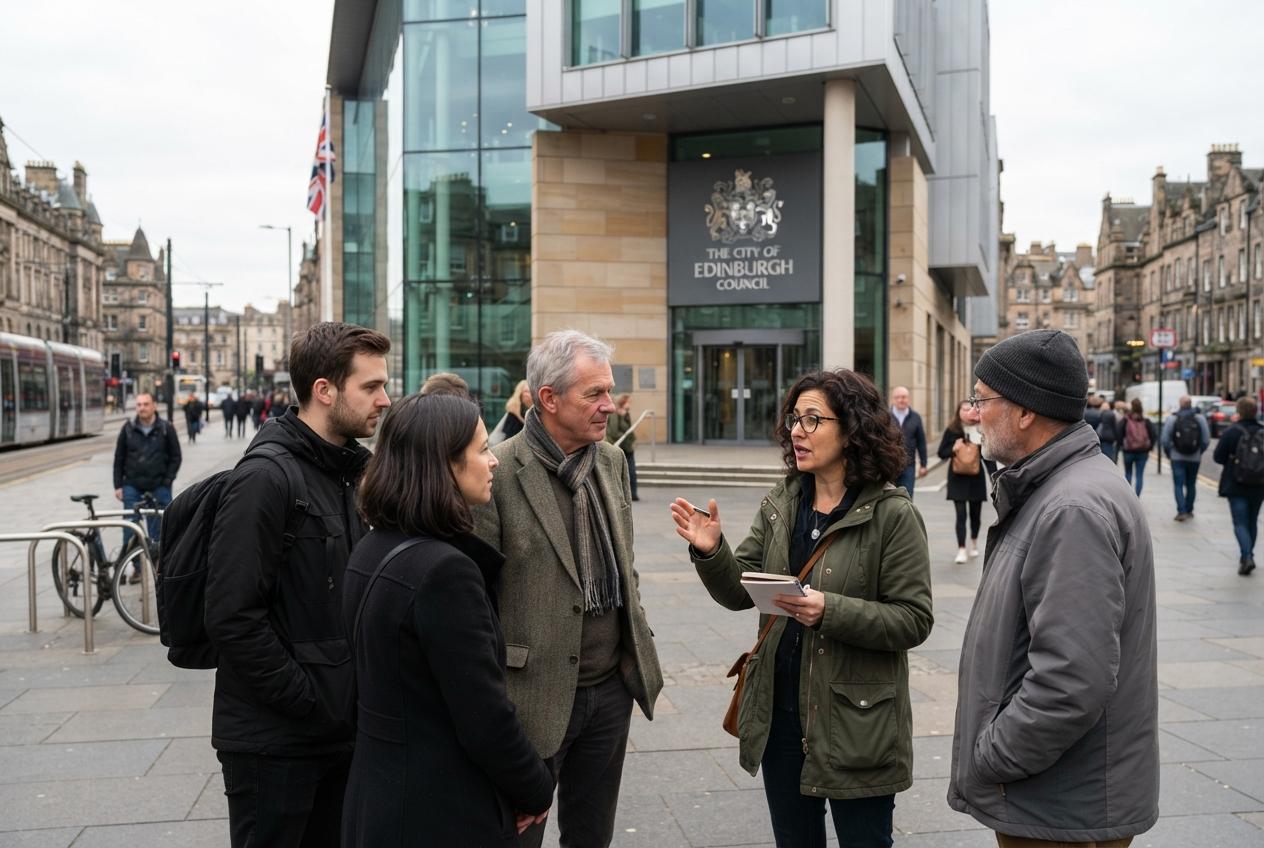
Shoppers, campaigners and councillors are watching closely as Edinburgh City Council widens a review of single‑sex services and public safety; residents are being asked to shape how the city balances legal duties, transgender inclusion, and women’s safety while services are updated.
Essential takeaways
- Council review: Edinburgh City Council has accepted an interim report and promised wider consultation on guidance affecting single‑sex services and transgender colleagues.
- Who was consulted: Initial engagement included groups such as Stonewall, LGBT Youth Scotland and the Equality Network, prompting calls for broader outreach.
- Concerns raised: Women’s groups and lesbian campaigners say the original report used contested language and didn’t reflect needs for sex‑based services.
- Public safety link: The council is also running separate, citywide consultations on women’s safety in public spaces to inform practical changes, like lighting and patrols.
- Practical aim: Officials say the goal is to remain legally compliant while identifying service gaps and ensuring inclusive workplace guidance.
What happened at the committee meeting and why it matters
The Policy and Sustainability Committee debated an interim report that proposes new transgender guidance for council staff and looks at how single‑sex services should operate. Council officers emphasised compliance with the Equality Act, while acknowledging some residents felt excluded by the initial round of engagement. The air in the chamber was brisk , councillors signalled they want a deliberate, measured approach so changes aren’t rushed or legally vulnerable. For anyone using council services, that means more conversations and, likely, clearer policies on who uses which facilities.
Who was involved in the first round of consultation
The council’s executive said the first phase targeted organisations experienced in delivering inclusive services, naming Stonewall, LGBT Youth Scotland and the Equality Network. That choice attracted criticism from groups such as Lesbian Persistence and Edinburgh Women Rise, who argue that consultation should include organisations representing women and gay men who prioritise sex‑based services. The dispute highlights a common tension in public policy: specialist advice helps craft inclusive wording, but residents expect balance and representation too.
Women’s groups want clearer guarantees on single‑sex services
Campaigners told councillors the report reads in “activist” language and doesn’t sufficiently consider legal protections for single‑sex services. They pointed to phrases that feel technical or loaded, and asked for clearer commitments that women can access sex‑separate spaces where appropriate. Councillors responded by promising to broaden engagement , and that’s a practical win for campaigners who want their concerns aired before policy is finalised. If you’re a service user, watch for future consultations and consider submitting evidence about how you use local facilities.
How this ties into wider work on women’s safety in the capital
Separately, the council has been running consultations and campaigns aimed at improving safety for women in public places, from better lighting to targeted policing and design changes. Those initiatives suggest the city intends to treat single‑sex service policy and public‑realm safety as related but distinct workstreams. That’s sensible: safety improvements can be very practical and place‑based, while service access raises legal and personnel issues. Together, they’ll shape what it feels like to move around Edinburgh and to use council services.
What residents can expect next and practical tips for responding
Councillors voted to accept the interim report and to listen more widely; the next step is a broader public engagement. If you want to influence outcomes, check the City of Edinburgh Council’s consultation pages, bring concrete examples of service use, and stick to specific suggestions , for instance, recommend which facilities should remain single‑sex, or outline safety measures that worked in your area. Remember: measured, evidence‑based input tends to be more persuasive than broad complaints.
It's a small but important unfolding story about how cities balance rights, safety and inclusion , and the best way to be part of it is to make your voice heard.
Source Reference Map
Story idea inspired by: [1]
Sources by paragraph: