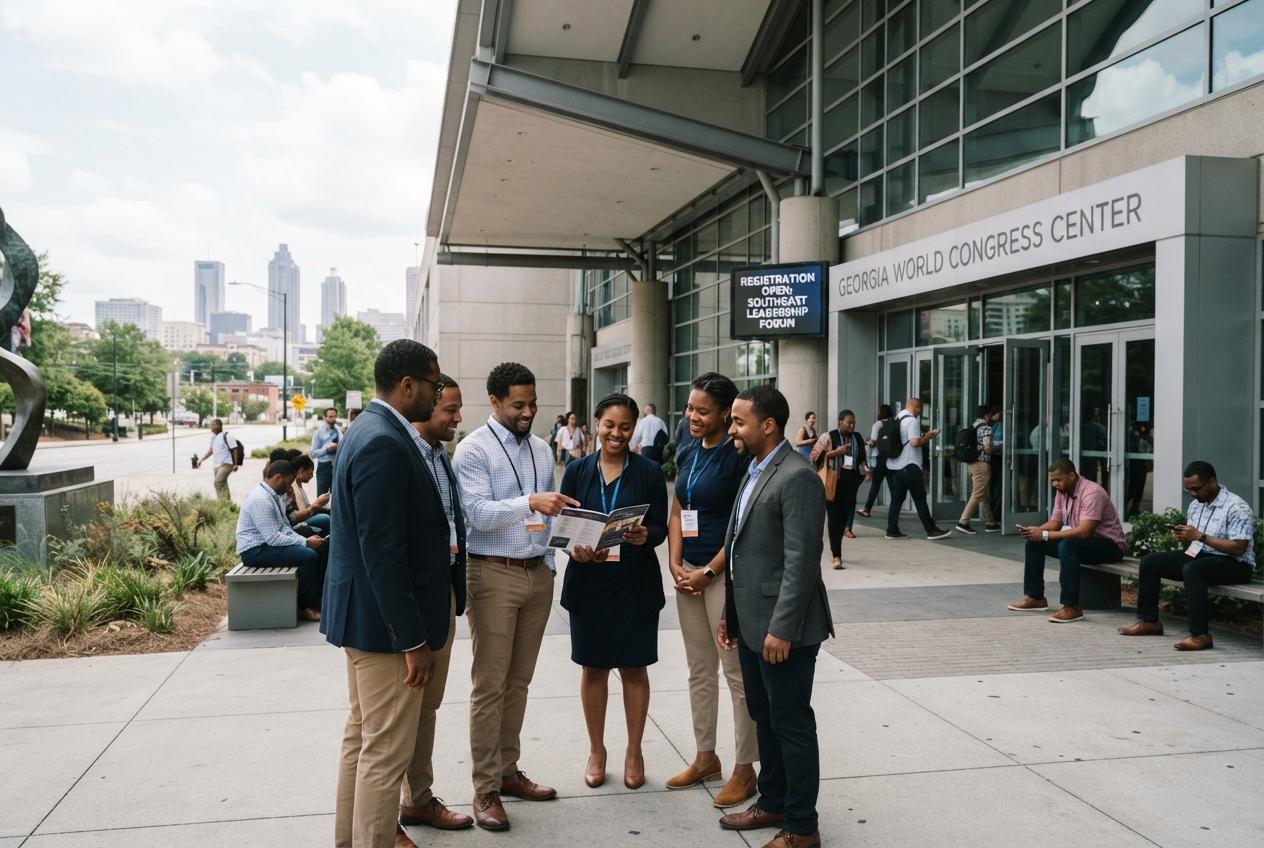
Shoppers of solidarity are gathering: advocates, community leaders and people living with HIV are travelling to Atlanta for the Saving Ourselves Symposium, a four-day conference that turns Southern HIV/AIDS Awareness Day into a moment for coordinated action, shared accountability and practical support.
Essential Takeaways
- When and where: The Saving Ourselves Symposium runs Aug. 20–23 at the Atlanta Marriott Northwest, timed with Southern HIV/AIDS Awareness Day.
- What to expect: Plenaries, skills-building workshops, strategic planning sessions, a City Hall reception, a red carpet gala and a Queer Soul Brunch , a mix of policy, practice and community.
- Community-led voices: Organisations like the Normal Anomaly Initiative will share barrier-reducing resources; its leaders, both living with HIV, bring first-hand experience and practical empathy.
- Registration and vibe: Tickets remain available for $150; the event promises hands-on strategy rather than just talk, with a warm, Southern-rooted energy.
- Why it matters: The conference centres Black LGBTQ+ experiences in the South, responding to ongoing stigma in care and gaps in prevention funding.
A four-day push from talk to coordinated action
The Saving Ourselves Symposium (SOS) opens on Southern HIV/AIDS Awareness Day and immediately sets a practical tone, with a sensory rush of voices and ideas in a hotel ballroom. According to the conference organiser, the Southern AIDS Coalition, this year’s theme , Collective Action for Collective Impact , deliberately pivots conversations into coordinated strategy. Expect less theory and more playbooks: strategic planning sessions and skills workshops that people can take home and use.
This isn’t another panel for panels’ sake. Organisers say the aim is shared accountability across health, policy and community groups, which matters in the South where services are patchy and politics often get in the way of care. If you’re deciding whether to go, know that the programme is designed for activists and practitioners who want tools as much as inspiration.
Why centring Black LGBTQ+ organisers changes the conversation
Normal Anomaly Initiative’s presence at SOS is a reminder that people with lived experience are driving change. The group produces narrative-shifting resources and builds infrastructure to reduce barriers for marginalised communities, and its deputy director and programme manager , both living with HIV , will be on panels and sessions. Their stories make the conference feel human: the small humiliations and outright ignorance they faced in early care still colour how new diagnoses land today.
Those personal accounts are more than emotional resonance; they point to where systems fail and what needs fixing. When advocates who’ve navigated stigma lead workshops, the conversation shifts from abstract policy to tangible clinic practices and outreach tactics that actually reach people.
Events that mix policy, community and celebration
SOS stitches formal policy spaces to community ritual. On the calendar are a reception at Atlanta City Hall, plenary sessions on the conference’s core aims, and social events , including a red carpet gala and a Queer Soul Brunch. That mix matters: it lets people network in formal rooms and recharge in settings that affirm identity and joy.
For attendees, that blend helps keep energy up across a intense four days. Practical tip: pick a mix of at least one skills session and one community event each day so you return to work with something to try and something that reminds you why you do this work.
The wider context: funding strains and the need for regional hubs
The conference arrives against a backdrop of funding changes and rising need. Recent reporting has highlighted cuts to prevention funding that supported community groups, which makes gatherings like SOS crucial for reconnecting local providers and planning collaborative responses. According to advocates, regional hubs in the South must double down on shared infrastructure to plug gaps left by shifting federal support.
That’s where organisations like Normal Anomaly step in with community infrastructure models and media campaigns designed specifically for Black queer people in the South. If you work in service provision, look to SOS sessions on partnership-building , they’re practical and aimed at keeping programmes running when budgets wobble.
How to get the most out of the conference
Go with a plan. Review the agenda and pick sessions that balance immediate skills and long-term strategy. Bring business cards or a simple contact sheet, and set up quick follow-ups with one or two people after the event. If you’re newly diagnosed or supporting someone who is, seek out lived-experience panels first , they’ll point you to empathetic providers and local peer resources.
Also, budget time for rest. Conferences are hard work, especially when the topics are personal and heavy. The social events are there for a reason: they’re where durable relationships form.
It's a small change that can make every local response stronger.
Source Reference Map
Story idea inspired by: [1]
Sources by paragraph: