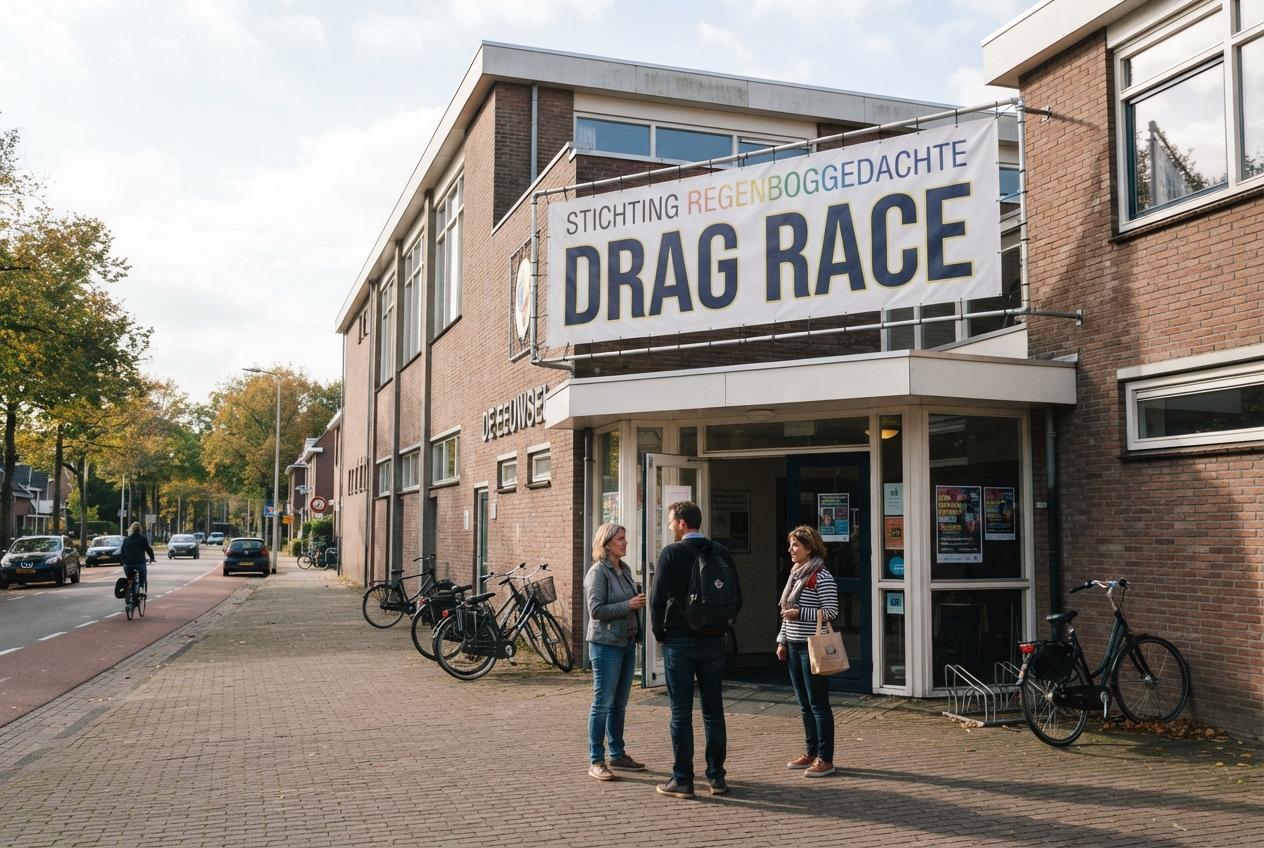
Owners and organisers are pressing on: a Helmond drag race will go ahead on 30 August despite homophobic death threats, showing why small queer events matter to community visibility and safety. Organisers say support from local businesses and the council helped them decide not to cancel.
Essential Takeaways
- Event confirmed: Drag Race in Helmond takes place on 30 August, with doors at 14:00 and a place in the national final at stake.
- Organisers targeted: Gerard and Lexi Barker-Stone received homophobic abuse including death threats but chose to continue.
- Local backing: Several hospitality businesses and the municipal council publicly support the event; community morale rose after supportive messages.
- Safety concerns: Some performers initially withdrew over safety worries; organisers reported the threats to a discrimination hotline rather than filing a police report.
- How it feels: The episode has left organisers shaken but resolute , they describe a mix of fear, relief and renewed purpose.
A drag race that could have been cancelled , but wasn’t
The strongest fact is simple and a little stirring: despite direct death threats, the Drag Race in Helmond will go ahead. Organisers Gerard and Lexi Barker-Stone say the messages left them “off the map” for a while, and you can imagine the tight, sick feeling that brings. They nearly shelved the event , which is about more than a contest; it’s a visible queer night on a small city’s calendar , but decided cancelling would send the wrong signal.
Local outlets reported the storm of homophobic comments began after photos circulated of Helmond residents at Pride and Roze Maandag. That’s the kind of logic that takes pleasure in silencing visibility. The Barker-Stones told a regional paper they made a formal complaint to an anti-discrimination hotline, and chose not to press criminal charges at this stage.
Community pushback: businesses and council step in
When intimidation targets a tiny grassroots project, the response around it matters. Hospitality owners in Helmond publicly backed the Drag Race, and the council voiced support too. That practical solidarity , offers of venues, staffing, and public affirmation , helped tip the balance toward continuing. It also changed the tenor of the story: threats were met by a louder, warmer chorus of support.
For other organisers, that’s the takeaway: line up institutional or business allies early. A signed statement from a café owner, or a local councillor’s public backing, can take the edge off both practical risks and performer anxiety.
Why this local Pride fixture matters
There’s not a huge amount on offer year-round in smaller Dutch cities for queer and trans communities, and events like this do double duty: they celebrate and they create space. Gerard pointed out that cancelling would give the loud minority what it wants , silence. Keeping the Drag Race sends a civic message that marginalised lives and joyful expression won’t be erased by intimidation.
Organisers also frame the night as a stepping-stone: the Helmond winner advances toward a national final. That competitive arc gives local performers something tangible to aim for, and it helps normalise drag as a creative craft, not just a spectacle.
Practical safety tips for small LGBTQ+ events
If you run or attend a grassroots queer night, a few practical steps cut risk and worry. Notify local police and keep records of threats, even if you use an anti-discrimination hotline first; consider simple security on-site such as visible staff, clear exit routes, and check-in points. Communicate transparently with performers about measures so they can make informed choices, and set up a rapid support channel for anyone who feels unsafe.
Also, harness local allies early , traders, councils, and cultural groups can spread the load, and their public statements reduce the sense of isolation when threats occur.
Looking ahead: resilience over silence
There’s a forward-facing optimism here that feels earned. The organisers say they were shook but not broken, and public support added new volunteers and ambassadors. That mix of vulnerability and defiance is familiar from other Drag Race-related controversies worldwide, where performers and producers have had to navigate doxxing, racist attacks or threats. Helmond’s response suggests a small city can push back and keep culture alive.
If you’re in the area and worried about safety, the event team has kept sign-up open through 20 August and will probably share on-the-day measures. For everyone else, the lesson is plain: showing up , with support, applause and practical help , matters.
It’s a small but meaningful stand: community life carries on, and visibility wins.
Source Reference Map
Story idea inspired by: [1]
Sources by paragraph: