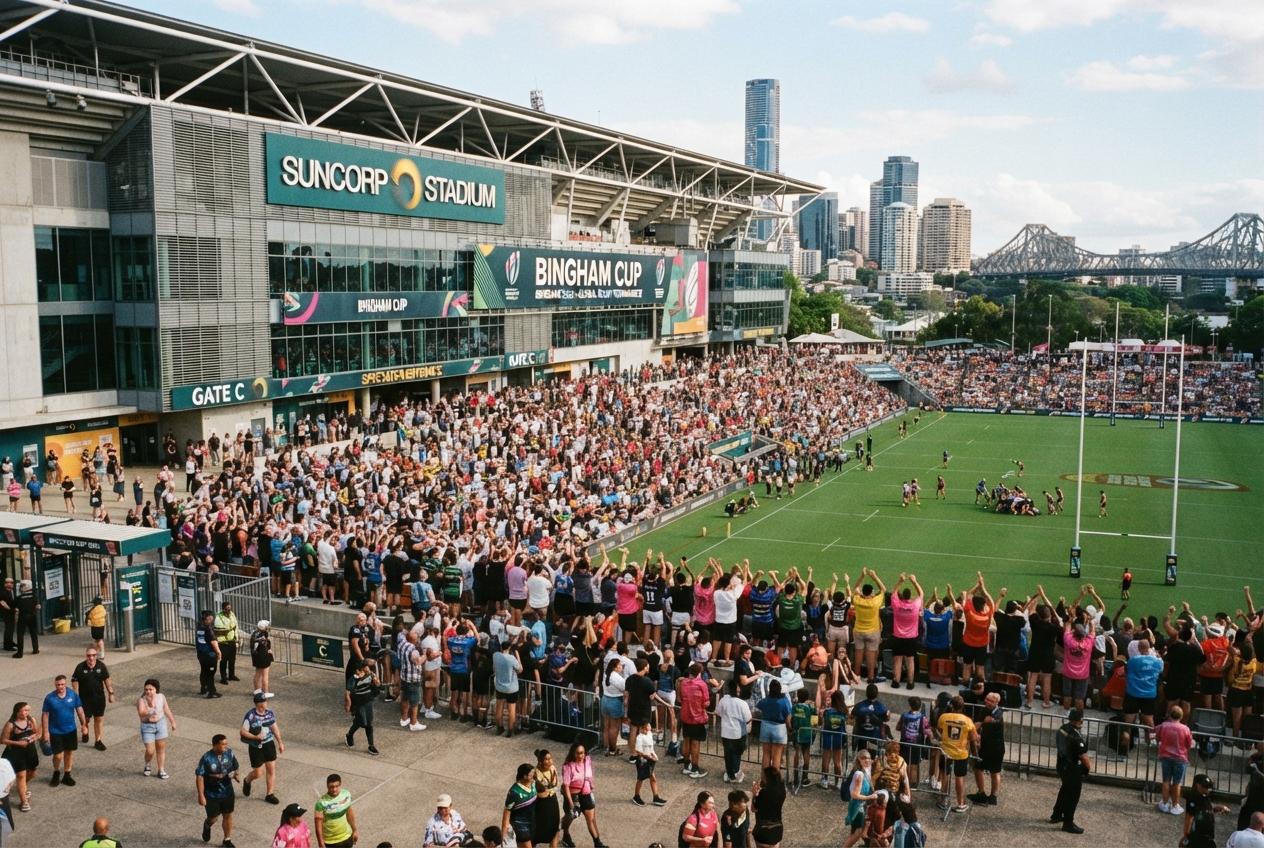
Shout it loud: the Bingham Cup is back. Players from more than 30 gay and inclusive clubs are descending on Brisbane, and for many it’s not just sport , it’s community, identity and a long-awaited chance to play without apology. Expect fierce rugby, warm locker rooms and stories worth hearing.
Essential takeaways
- Global turnout: Over 30 inclusive rugby clubs are competing in Brisbane, including men's and women's sides, making this the biggest IGR gathering in years.
- A tournament with history: The Bingham Cup began in 2002 and honours Mark Bingham, linking sport with activism and remembrance.
- San Francisco Fog spotlight: The Fog , founders of the first Bingham Cup , brought three sides and plenty of experience; they put community first and competitiveness second to none.
- Player journeys matter: Many competitors, like first-timer Kyle Loughman, found rugby again through inclusive clubs that feel welcoming and safe.
- Beyond sport: The Cup also showcases inclusion work and ongoing challenges for LGBTQ players worldwide; in some countries, playing openly remains dangerous.
Why the Bingham Cup still matters , and feels emotional
The opening fact is simple: this tournament is more than fixtures. According to Bingham Cup organisers, the event grew out of a need to blend high-level social rugby with a celebration of visibility, and you can feel that in the stands , hopeful, sometimes tearful, always loud. For players who’ve faced exclusion, stepping onto a pitch where identity is affirmed is powerful and oddly restorative.
The Cup’s origin story ties straight into that emotion. Mark Bingham’s legacy has kept the tournament focused on inclusion and respect since 2002, and clubs say that history shapes how teams travel, party and play. For anyone picking a match to watch, the semi-finals often turn into emotional showcases as much as athletic contests.
If you’re wondering why it resonates now, part of it is cultural: mainstream rugby is slowly reckoning with diversity, but inclusive clubs still lead when it comes to safety and welcome. Practical tip: catch a social programme , post-match gatherings and community events tell you more about the movement than any scoreline.
San Francisco Fog: founders who still set the tone
The Fog have a lineage in the tournament that’s hard to miss. They hosted the inaugural Cup and are back with multiple sides in Brisbane, a sign that foundational clubs haven’t faded. The Fog website charts a clear timeline of growth and community work, and that institutional memory gives them an edge off the pitch.
Players like Kyle Loughman, who discovered the Fog after a long break from rugby, illustrate the club’s magnetism. He talks about the team’s welcoming vibe and how training twice a week became a highlight of his life. For newcomers, the takeaway is clear: look for clubs that prioritise team social life as much as drills , trust and cohesion follow.
When evaluating teams, notice how they travel and bond: shared meals, communal saunas and open conversations about identity are as much a part of Fog culture as lineouts and rucks. It shows in performance; teams that trust one another tend to play looser and harder.
What to expect on the field , competition, variety, and strong women’s fixtures
Competition at the Cup runs the gamut: seasoned champions, ambitious newcomers and sides that blend both. Les Gaillards Parisiens enter as defending champions, and that mix of returning powerhouses and hungry clubs makes for unpredictable results. Organisers point out that the Amanda Mark Cup for women’s teams is gaining serious traction, reflecting broader growth in women’s inclusive rugby.
Expect a range of styles: some teams bring traditional set-piece strength, others play fast, expansive rugby that rewards fitness and support lines. If you’re planning to watch, prioritise games where contrasting styles meet , those matches often deliver the best drama and highlight reels.
A practical viewing tip: check the schedule on the official Bingham Cup site for tiered fixtures so you can catch both elite matchups and community-focused fixtures where the atmosphere is most exuberant.
Inclusion, activism and the work that remains
The Cup is a celebration but also a reminder of unfinished business. Organisers and participating clubs keep one eye on the global landscape, where LGBTQ players in some countries still face criminalisation or cultural hostility. The tournament doubles as a platform to raise awareness and funds for inclusion programmes, and Australia Rugby’s diversity pages list partnerships that support that mission locally.
Players returning to rugby through inclusive clubs often highlight mental-health gains and a renewed sense of belonging. For many, the Cup is a stage to celebrate progress while spotlighting where advocacy must continue. If you want to support, consider donating to local club outreach programmes or volunteering at events to help make spaces safer and more accessible.
How to get involved or make the most of the Cup weekend
You don’t need to be a rugby veteran to engage. Many clubs run taster sessions, social events and community outreach that welcome novices and allies. For travellers, Brisbane offers easy viewing and social options , check club social channels for meet-ups and fan activities.
If you’re a player thinking of joining your local inclusive club, start by attending a training session and meeting players off the pitch. Wear cleats that fit, turn up curious, and be ready to listen. For supporters, bring noise, wear colours and remember that this tournament is as much about cheering people being themselves as it is about tries and tackles.
It’s a small change that can make every match feel bigger.
Source Reference Map
Story idea inspired by: [1]
Sources by paragraph: