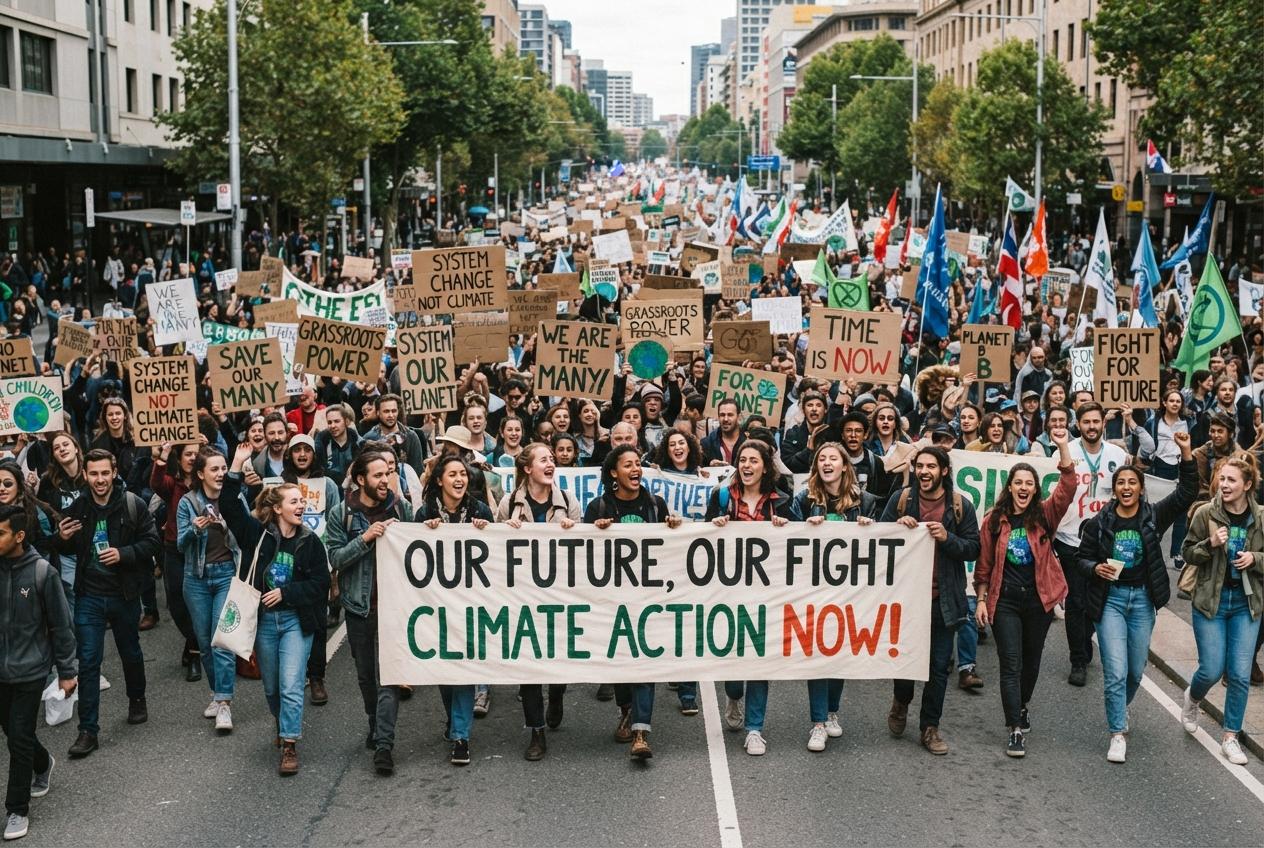
Watchers and participants noticed a powerful mix of joy and politics as Princess Jezebel joined an estimated 150,000 people at London Trans+ Pride 2026, a grassroots march that rejects corporate sponsorship and doubles as a rally for rights. This matters for anyone tracking queer visibility, activism, and why some prefer Trans+ Pride over the larger London Pride party.
Essential Takeaways
- Huge turnout: Organisers said around 150,000 people marched, creating a visible, energised crowd. It felt loud, proud and unignorable.
- Grassroots focus: Trans+ Pride maintains a strict no-corporate-sponsorship policy to avoid pinkwashing and keep the protest political and community-led.
- Celebrity presence: Princess Jezebel marched with the crowd and spoke about the event being a protest, not just a party, adding media attention while aligning with the grassroots message.
- Atmosphere: Participants reported a blend of euphoria and determined activism , colourful, loud, and unflinching about demands for rights.
- Practical note: The march’s structure and guidance are set out by organisers, so newcomers can prepare for a large, tightly organised protest rather than a festival vibe.
A huge, human turnout , why the crowd mattered
The strongest image from the day was scale: marchers packed central London in numbers organisers described as unprecedented for Trans+ Pride. The sheer density of people created a physical buzz , drums, chants and signs compressing into a steady roar. ITV reported the 150,000 figure, and that number shaped how the march read both to Londoners and to media watching from afar.
That size matters beyond spectacle. When so many people turn up, the message , "Trans rights are human rights" , ceases to be a niche demand and becomes a civic fact that’s hard to ignore. If you’re going next year, expect crowds and plan meeting points and phone-charging options.
Why no corporate sponsors? The movement’s clear stance
Trans+ Pride’s organisers have deliberately kept the event free of corporate sponsorship, a policy set out on the group’s site and reiterated by participants. The aim is to avoid pinkwashing , when brands use queer imagery to sell products without supporting the community’s needs.
That policy gives the event a sharper, more political tone. While London Pride has long been an energetic public festival with corporate floats and big-name backers, Trans+ Pride leans into protest duties: placards, policy asks and solidarity rather than brand partnerships. For activists and allies who prefer clarity and accountability, that distinction is everything.
Princess Jezebel’s presence: attention without changing the message
Princess Jezebel marched alongside the crowd and spoke about the protest nature of the event, framing Trans+ Pride as a struggle for rights and recognition rather than a celebratory parade. Their presence brought additional visibility but didn’t dilute the grassroots feel , Jezebel appeared to follow the event’s rules and tone.
Celebrities can be double-edged for community-led protests, but in this case the effect seemed to be amplification rather than co-option. If you care about how public figures engage with activism, Jezebel’s approach is a useful example: show up, listen, and echo the group’s own demands rather than redirecting the narrative.
The vibe: euphoria and urgency in equal measure
Fashion and culture pages picked up on the colourful street style and the emotional highs , Vogue noted striking looks and the mix of performance and protest. But attendees and organisers kept returning to the same point: Trans+ Pride is joyous because it’s defiant. The celebration of identity sits beside urgent calls for legal and social safety.
For someone attending for the first time, expect theatrical outfits and serious placards in the same space. Bring water, comfy shoes and an openness to both partying and policy-talk; you’ll likely experience both within a single march.
What this means going forward , visibility, pressure, and politics
The scale and tone of this year’s Trans+ Pride suggest the event can keep growing as an independent counterpoint to larger Pride events. Organisers’ FAQ and guidance make clear that the march will remain community-led and focused on rights, which keeps pressure on policymakers and shapes public conversation.
And while the mainstream media coverage helps, the most lasting impact comes from the people who marched. That grassroots energy often spurs local activism long after banners are folded away.
It's a small organisational choice , no sponsorship , that makes a big political difference.
Source Reference Map
Story idea inspired by: [1]
Sources by paragraph: