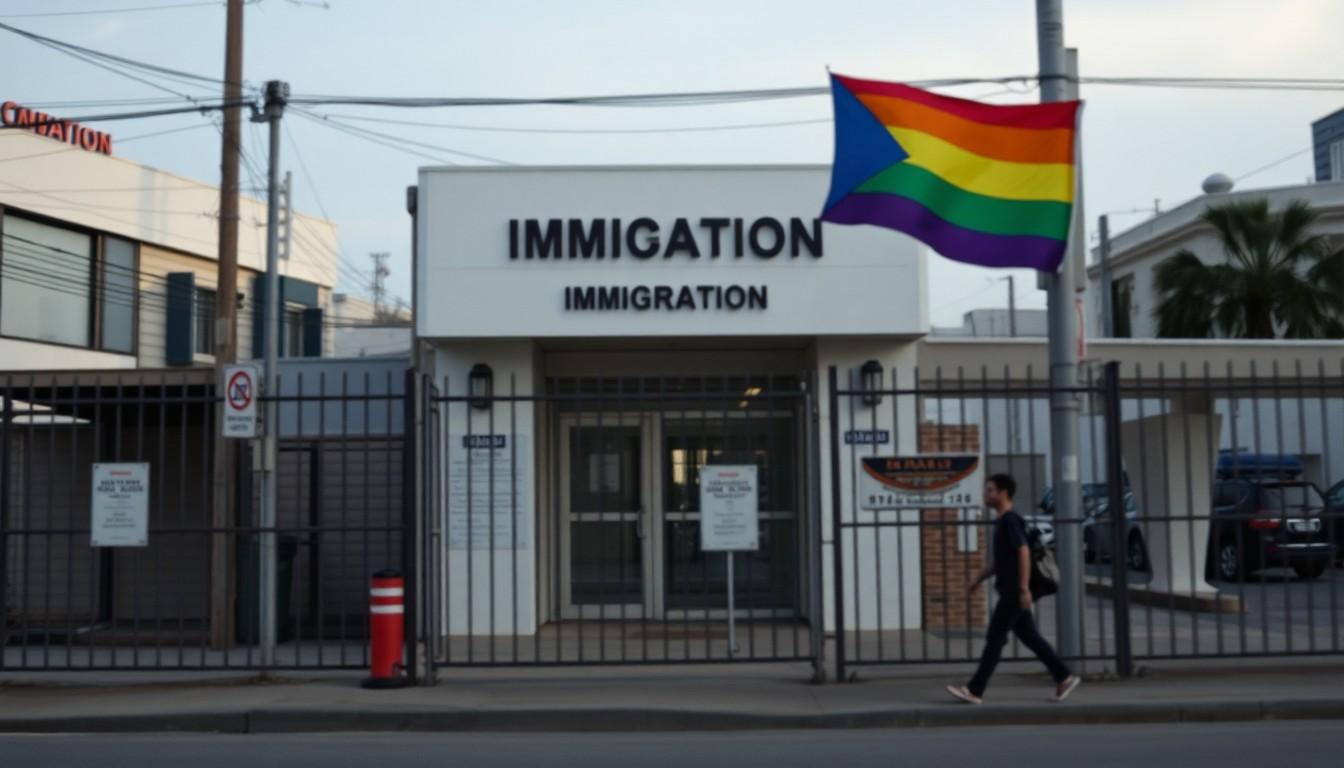
Shining a light on the experiences of LGBTIQ+ people on the move reveals gaps that cost lives; rights groups and researchers warn that better, safer data collection is urgent if governments and aid agencies are to prevent abuse, design services, and protect people fleeing persecution.
Essential Takeaways
- Hidden populations: Criminalisation and persecution make many LGBTIQ+ migrants invisible, so official figures undercount real needs.
- Reporting risk: People often won’t report abuse at borders or in camps because disclosure can bring detention, violence or deportation.
- Data weaknesses: Lack of political will, funding and technical capacity means limited comparable, usable data across countries.
- Consequences: Without good evidence, policy and services miss trans, intersex and gender-diverse people and women and girls of diverse SOGIESC.
- Practical fix: Safe, confidential and community-led data collection paired with legal safeguards improves protection and service delivery.
Why the data gap feels personal and urgent
The clearest fact is also the simplest: if people are too afraid to identify, they won’t show up in statistics, and their needs won’t shape responses. That fear is a physical thing , hushed conversations, refusal to answer questions, a quick flinch when officials ask about family or partners. According to rights groups and researchers, criminalisation and routine persecution drive that silence, and that makes the true scale and shape of migration invisible.
The result is predictable and stark. Humanitarian programmes, border procedures and legal routes are designed with incomplete maps, so protections miss the people who need them most. It’s not just about numbers; it’s about who gets shelter, who gets legal aid, and who is left at risk of violence or exploitation.
How laws and politics block better information
Laws that penalise same-sex relations or gender diversity create chilling effects on data collection. Where being open can mean arrest or worse, migrants, witnesses and service providers understandably clam up. Meanwhile, governments and donors often lack the will or funds to invest in the specialised surveys and training that would yield reliable, comparable data across countries.
This isn’t merely a technical gap. It's political. Organisations working with LGBTIQ+ people repeatedly report low investment in sex, gender and orientation disaggregation, and few incentives for states to collect or publish that information. The practical upshot is that policy debates proceed on guesswork rather than evidence.
What researchers and advocates suggest , safer, smarter data gathering
Experts recommend approaches that centre safety and consent. That means anonymous, confidential reporting channels; community-led surveys where trust already exists; and training for enumerators to avoid harm. It also means insisting that data collection never increases risks , so legal protections, non-refoulement guarantees and confidentiality are prerequisites, not afterthoughts.
From a practical perspective, simple changes help. Use neutral language in forms, offer non-binary options, separate SOGIESC questions from immigration enforcement, and pair data collection with immediate referrals to support services. These steps improve both quality and uptake.
Why visibility must include diversity within LGBTIQ+ communities
Too often, data lumps everyone together under an umbrella and misses important differences. Transgender, intersex, gender-diverse people, and women and girls of diverse sexual orientations face specific threats at borders, in detention and in workplaces. Without disaggregated data, those patterns remain concealed and policies fail to target them.
Humanitarian actors and governments need to track experiences at every migration stage , origin, transit, borders, reception and integration , so responses can be tailored. That means investing in finer-grained surveys and listening to community organisations who know which abuses are most frequent and which protections actually work.
What this means for policy and practice going forward
Collecting better data is not a neutral exercise; it’s a defensive strategy. When data reliably shows patterns of abuse or exclusion, advocacy can demand change: safer reception centres, non-discriminatory work policies, and accountability for rights violations. Donors should fund both the technical work of measurement and the legal and protection frameworks that make honest reporting safe.
For practitioners on the ground, the immediate priority is trust-building. Work with local LGBTIQ+ networks, make reporting safe, and ensure data collection translates into visible, practical services. Over time, comparably collected evidence can shift public debate and policy.
It's a small but essential shift: make people safe to be counted, and you make them safer in life.
Source Reference Map
Story idea inspired by: [1]
Sources by paragraph: