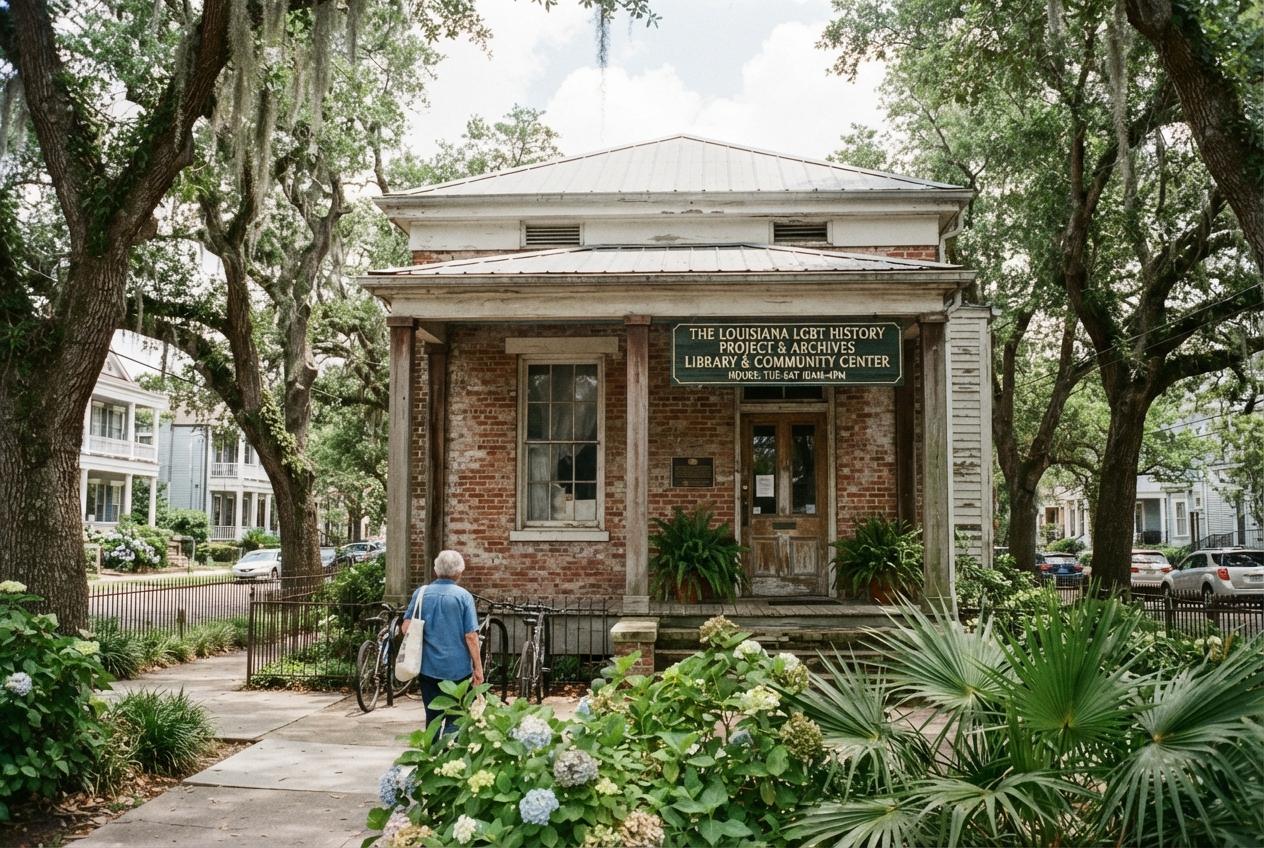
Notice how a local group turned quiet closets of memorabilia into a living history , volunteers, donors, and curious visitors are helping preserve Louisiana’s LGBTQ+ past, and it matters for the way we tell our stories tomorrow.
Essential Takeaways
- Community-led effort: The LGBT+ Archives Project connects private collections with institutions that can preserve them, rather than operating as a standalone archive.
- Wide partnerships: The project has relationships with The Historic New Orleans Collection, Amistad Research Center, Louisiana State Museum and other repositories across the state.
- Public programming: It runs oral-history recordings, guided tours, exhibitions and conferences that make history feel immediate and human.
- Volunteer-friendly: You can help as a Sustaining Member, a volunteer, or by donating materials tucked away in attics and closets.
- Urgent need: Funding has tightened for LGBTQ+ nonprofits, making grassroots support and small donations unusually important right now.
Why this grassroots archive matters , and how it feels in person
Walk into one of the Project’s exhibitions and the past isn’t dry; it’s textured , posters slightly curled at the edges, a T‑shirt with faint perfume stains, old photographs with pencilled notes on the back. That tactility is precisely why the group exists. According to the Project’s website, its founders realised that crucial items were being discarded or lost, and they set up a network to protect those materials. Volunteers say the work is emotional and rewarding, because every item rescued tells a person’s life and a community’s triumphs and losses.
Not a museum, but the matchmaker for preservation
It’s easy to assume the Archives Project is a single storehouse of files. It isn’t. The organisation acts as a liaison, helping owners of historic LGBT+ material find a repository with the staff, space and budget to preserve it properly. The benefit is practical: institutions like the Louisiana Research Collection or the Amistad Research Center can offer climate control, cataloguing and long-term access that private owners cannot. If you’re wondering where to send a box of old newsletters or videotapes, this is where to start.
Oral histories, tours and public programming that bring stories alive
The group doesn’t simply stash things away. It records oral histories with activists and community leaders, runs guided walking tours of queer New Orleans, and stages exhibitions and conferences on subjects from the UpStairs Lounge arson to the history of HIV/AIDS. The National Park Service has highlighted the Project’s advocacy for preservation, and local outlets have documented its public programming. These activities make the archive useful to students, filmmakers and anyone researching queer history in Louisiana.
How funding pressures are shaping the work , and what you can do
Like many LGBTQ+ nonprofits, the Project has felt the squeeze from a shift in philanthropy and political headwinds. That makes small donations and volunteer hours especially valuable. The group asks supporters to become Sustaining Members via their website, volunteer time, or simply to check their own closets for materials that could be preserved. Practically speaking, label what you have, keep fragile items wrapped and contact the Project before sending anything , they’ll guide you to the best institutional match.
Practical tips for donating or volunteering
If you think you have a collection worth saving, start by making a quick inventory , dates, names, item types , and take photographs. Avoid throwing away worn or seemingly mundane items: programmes, club flyers and personal correspondence often shed the brightest light on everyday life. For volunteers, the Project needs people for oral-history work, event staffing, digitisation helpers and tour guides. Training and partnerships with local archives mean your time can make a real, professional difference.
It's a small effort with a big payoff: saving objects and memories that help future generations understand who we were and how we lived.
Source Reference Map
Story idea inspired by: [1]
Sources by paragraph: