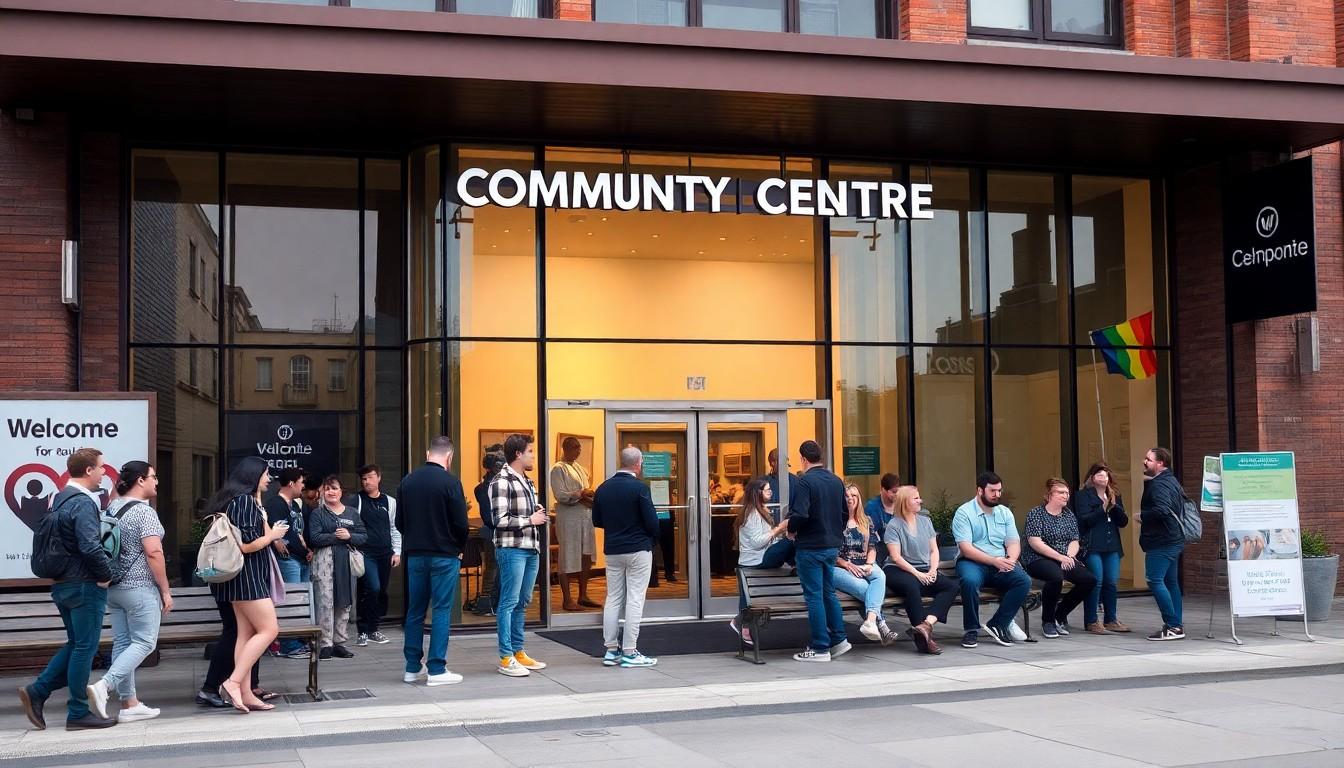
Spot a double standard: Jordan Stephens says queer venues can offer surprising freedom and perspective for straight men, and that matters because these spaces are where many LGBTQ+ people feel safe, seen and joyful , a lesson worth hearing in every city’s nightlife.
Essential Takeaways
- Straight reaction: Jordan Stephens heard a man admit he couldn’t relax around gay men because he worried about being looked at, highlighting a common discomfort.
- Queer atmosphere: Stephens describes venues like Dalston Superstore and The Divine as places that feel less judgemental and more freeing.
- Perspective shift: Being the object of attention in queer spaces can reveal how women and LGBTQ+ people experience being sexualised.
- Allyship in action: Stephens’ public support , including performing at Trans Mission , shows allyship that mixes presence, not just words.
- Practical tip: Visit respectfully, learn the social norms, and remember that attraction isn’t permission to cross boundaries.
Why the sauna chat became a useful wake-up call
Jordan Stephens overheard a conversation at his gym’s sauna that many of us would recognise: a man enjoying gay bars but admitting he felt uneasy at the thought of gay men looking at him. That small, sweaty scene crystallised a wider double standard , people will accept being the onlooker in some rooms but bristle at the idea of being looked at themselves. The image is tactile and a little funny, yet it lands hard: our comfort in public spaces often depends on who’s given the role of desirous subject and who’s given the role of object. According to Stephens’ telling, that discomfort is exactly what makes time in queer venues instructive.
Queer venues aren’t just for cruising , they’re community rooms
Stephens points to London spots such as Dalston Superstore and The Divine as the kinds of places that foster a relaxed, less aggressive vibe. That sense of ease isn’t accidental; queer bars and clubs traditionally grew as refuges where people could be open about affection and identity without policing. For many LGBTQ+ patrons, these venues are where they can breathe for a few hours. The takeaway for straight visitors is simple: come to observe and participate respectfully, and you’ll notice how different social codes can feel freeing rather than threatening.
The double standard: being looked at vs doing the looking
What struck Stephens was the inconsistency of feeling unsettled about possibly being sexualised while being willing to frequent spaces where women regularly face that dynamic. That flip , privileged people shrugging off their role as lookers but worrying about being scrutinised themselves , is worth unpacking. For men who aren’t used to being the object of attention, a night in a queer bar can be an eye-opener about how other groups experience public spaces. It’s not a moral lecture; it’s an experiential lesson that can nudge people toward more mindful behaviour elsewhere.
Allyship that shows up: why Stephens’ approach matters
Stephens has been visible in queer and trans solidarity spaces, most recently onstage at Trans Mission alongside other allies and LGBTQ+ performers. That kind of presence counts because it moves beyond platitudes , it normalises cross-community attendance and signals that queer spaces can be shared respectfully. For straight allies, the practical bit is to listen and learn: ask venue staff about etiquette, follow the lead of regulars, and understand that being welcome is conditional on respect.
How to visit queer venues without stepping on toes
If you’re curious to try it, start small and polite. Observe how people interact, don’t assume invitation equals consent, and avoid treating the room like a novelty. Dress to blend rather than to spectacle if you want to lower the temperature; ask before taking photos; and if someone corrects you, accept it graciously. These are simple habits that keep the night enjoyable for everyone and help preserve spaces that remain essential to LGBTQ+ community life.
It’s a small change to spend an evening in a different kind of room , but it can reshape how you see other people, and how they see you.
Source Reference Map
Story idea inspired by: [1]
Sources by paragraph: