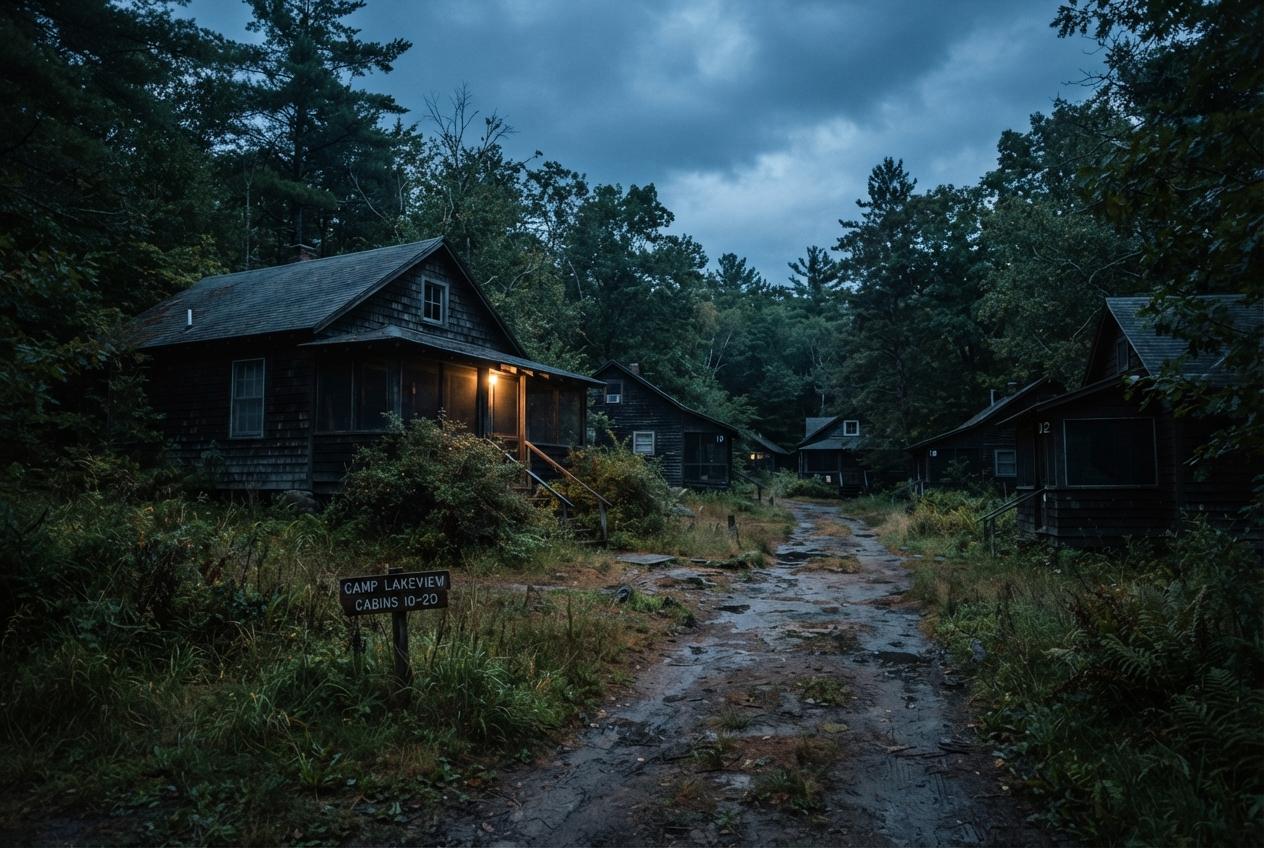
Shoppers are flocking to festival write-ups as Gillian Anderson and Hannah Einbinder star in Teenage Sex and Death at Camp Miasma, a queer slasher that's become a surprise Cannes favourite and a talking-point for fans of genre, fandom and explicit queer storytelling. Here's why it matters.
Essential Takeaways
- Star power: Gillian Anderson and Hannah Einbinder headline a buzzy new queer slasher that won the Queer Palm at Cannes.
- Tone: The film mixes horror thrills with playful, sensual energy , think popcorn, gummies and giddy dread.
- Themes: It tackles fandom, parasocial obsession, sexual trauma and trans joy in a meta, self-aware package.
- Audience reaction: Early screenings inspired passionate responses; viewers feel ownership and delight.
- Practical: If you love genre homages and sapphic stories, this is explicitly queer and deliberately so.
Why this little slasher is suddenly everywhere
The loudest story isn’t just the gore , it’s the reaction. According to festival coverage, the film's Cannes premiere triggered an outpouring of cheers and conversation that even surprised its veteran stars. The combination of a culty slasher premise and openly queer storytelling has made it feel fresh and immediate, with audiences reporting visceral, joyful responses. For cinema-goers tired of safe takes, this one lands like a thrill.
Gillian Anderson: a career twist that still surprises
Gillian Anderson has spent decades on-screen, so it’s striking that this project is drawing a new kind of attention. Critics and festival observers note she brings a strange, reclusive glamour to the role of Billy Presley, an aging horror icon , and that contrast with her past work is part of the film’s magnetism. It’s a reminder that even established actors can find a smaller, riskier project that suddenly reframes their career in the public eye.
Jane Schoenbrun’s personal touch and the film’s queer heart
Festival profiles explain that the filmmaker poured personal experience into the script, especially around post-transition joy, dissociation and sexual trauma. That honesty gives the horror beats extra weight: scares don’t sit in isolation but sit beside moments of real pleasure and reclamation. If you’re choosing films by emotional specificity, this one signals that the director’s own life informs the story in a way that’s tactile and, yes, celebratory.
Fandom, parasociality and the meta thrill
At the centre is a story about being a fan and being the object of fandom, and reviewers have picked up on how neatly the film dissects that dynamic. The lead character’s obsession with an old horror star becomes a vehicle to explore identity, projection and intimacy. For anyone who’s ever idolised a performer , online or off , the movie gives a sly, sometimes uncomfortable mirror that still manages to be affectionate.
Why queer representation here feels different
Cast interviews and reports stress that the film is intentionally and explicitly queer rather than merely queer-coded. For many queer viewers, that directness matters: it replaces inference with clear romantic and sexual language, making the sapphic elements unmistakable. If you want representation that’s upfront and sensual rather than hinted at, this is the kind of film that delivers.
What critics and festival-goers are saying , and what to expect
Reviews from Cannes and subsequent festival stops fall on the enthusiastic side: praise for performances, a clever meta script and the way joy and horror are braided together. Expect smart, referential horror rather than straight-up slasher formula; think of it as a party in a cabin that’s equal parts nostalgia and new-wave queerness. If you plan to see it, go ready to react , screaming and laughing are both acceptable.
It's a small shift in the genre , more joy, more honesty , that could change what mainstream horror looks like next.
Source Reference Map
Story idea inspired by: [1]
Sources by paragraph: