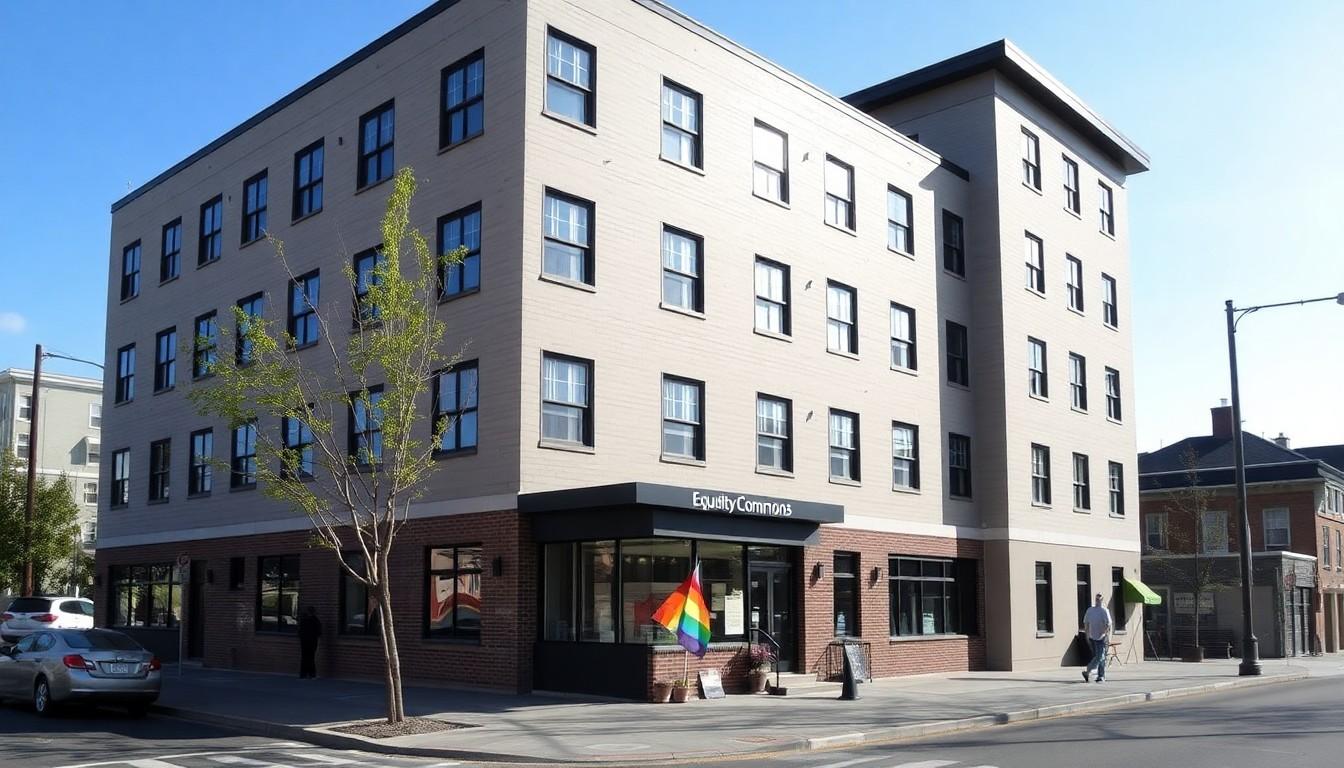
Owners and neighbours are celebrating the launch of Equality Commons, a 54-unit affordable senior housing scheme in downtown Portland that pairs homes with tailored services for LGBTQ+ older adults and allies , a welcome, practical response to local housing shortages and long waitlists.
Essential Takeaways
- Community size: Equality Commons offers 54 apartments, with studios, one- and two-bedrooms and a café and community room nearby.
- Designed for inclusion: Nineteen units are accessible, and eleven units are reserved for residents with disabilities, including people living with HIV/AIDS.
- Affordability target: Apartments are priced for households around 50–60% of adjusted median income in greater Portland.
- Strong demand: More than 250 people have already joined the waitlist; leasing is open and names are still being accepted.
- On-site support: The building sits beside the Equality Community Center, which will provide LGBTQ+-affirming programmes and social services for residents.
A tidy, welcoming building with a clear purpose
The opening of Equality Commons feels deliberately human , a compact block of flats designed to look and sound lived-in, with a retail café and outdoor seating that will help residents bump into friends and staff. According to the Equality Community Center, the development aims to be more than housing: it’s a place where older LGBTQ+ people can feel safe, affirmed and connected. That detail matters, because for many older adults a warm doorway and a familiar face can be as important as the rent.
The project grew from a recognised gap in the market: older LGBTQ+ people often face higher poverty rates, smaller informal support networks and a greater risk of housing discrimination. By pairing apartments with programming tailored to those needs, organisers hope to reduce isolation and preserve dignity as people age.
Why location next to the Equality Community Center is key
Placing the flats next to the Equality Community Center is a practical choice rather than a symbolic one. The centre will host activities and services specifically geared to the building’s residents, so help with benefits, social activities and peer support will be a short walk away. That proximity makes it easier for staff to run targeted programmes and for neighbours to join events.
For anyone choosing where to live, think of this as an integrated model: housing plus on-site community services. If you rely on public transport or have mobility needs, the cluster of amenities , laundry, bike room, patio , and accessible units matters in day-to-day life.
Accessibility and specialist allocations: what’s included
Equality Commons has made accessibility a visible priority. Nineteen units are fully accessible and eleven have been designated for residents with disabilities, including those living with HIV/AIDS in partnership with local health organisations. That reflects a shift in affordable housing design, where specific allocations and partnerships with specialist providers are increasingly common.
If you or a loved one need an accessible flat, check the details on eligibility and application early. Accessible units tend to move faster, and being on the waitlist gives you a shot at units that match mobility or care requirements.
Affordability, waitlists and how to apply
The apartments have been set for households earning roughly 50–60% of the area’s adjusted median income, a standard threshold used by MaineHousing and other funders to define affordable housing. Leasing has begun and, given there are more than 250 names on the list already, demand far outstrips supply.
Practical tip: sign up for the waitlist now if you meet income guidelines, and make sure your contact details stay current. Housing allocations often include priorities , for instance, disability-designated units or local preferences , so be prepared to supply documentation quickly when a unit becomes available.
What this means for Portland and beyond
Equality Commons is being billed as Maine’s first affordable senior housing community with tailored LGBTQ+ programming, and that sets a small precedent. It shows how targeted developments can combine affordability with identity-led services without tacking them on as an afterthought. Local officials and community groups will be watching to see how residents fare and whether the model reduces isolation and housing instability among older LGBTQ+ people.
For older adults and allies, it’s a reminder that affordable housing can be designed to do more than shelter you , it can help you age with dignity and a social life. Expect other cities to study this model if it proves successful.
It's a small change that can make every day feel a bit safer and more neighbourly.
Source Reference Map
Story idea inspired by: [1]
Sources by paragraph: