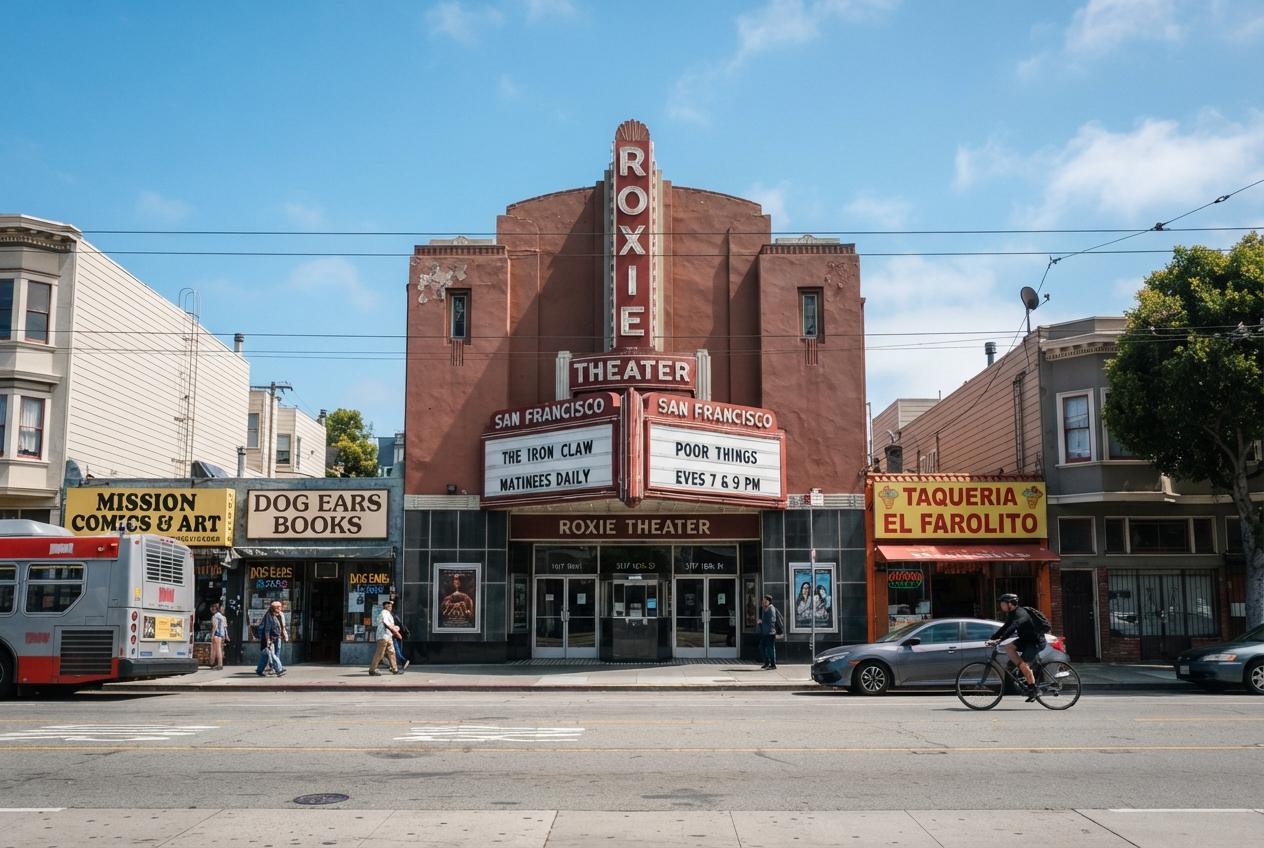
Shoppers are turning to cinema this weekend as the sixth San Francisco Queer Film Festival rolls into the Roxie, while Bay Area screens are showing fresh indie titles , from an Anthony Bourdain origin tale to Jane Schoenbrun’s provocative new horror , giving filmgoers bold, under-the-radar options that matter.
Essential Takeaways
- Festival scope: The San Francisco Queer Film Festival screens more than 50 films by LGBTQ+ artists at the Roxie this weekend, including shorts, features and panels; programming feels diverse and intimate.
- Opening night buzz: “Mean Goals,” a queer-short about a gay Latino bonding with his sick father through soccer, opens the festival; Robby Kendall’s “Sweet Nothing” screens Friday.
- Must-see dramas: “Tony” is a 1975-set coming-of-age dramedy about a young Anthony Bourdain with standout mentoring scenes; performances are warm and nostalgic.
- Horror with heart: Jane Schoenbrun’s “Teenage Sex and Death at Camp Miasma” mixes psychological dread, queer eroticism and genre critique , expect ambiguity, bold imagery and strong chemistry.
- Local spotlight: The Noe Valley Girls Film Festival and other community events offer short films by young women filmmakers, keeping festival energy neighbourhood-rooted.
Why the Roxie’s queer weekend feels essential
If you want cinema that surprises and comforts in the same programme, the Roxie’s line-up is the place to be this weekend. The sixth San Francisco Queer Film Festival brings an almost festival-at-home vibe: intimate screenings, conversations, and an intentional mix of comedy, drama and documentary. Festival director choices favour under-the-radar voices, so expect smaller films that stick with you rather than crowd-pleasing certainties. For viewers who like texture , the quiet, grainy moments, the little gestures , this is cinema made for lingering.
The festival also builds community. There are panels, including one moderated by Sister Roma after a documentary about compassionate caregiving during the early AIDS crisis, which adds a useful, human context to the screenings. If you’re choosing where to spend your ticket money, think about which films will prompt a post-show conversation; that’s often where the value is.
What to catch first: opening night and the short programmes
Opening night pairs a tender short called “Mean Goals” with festival energy, and Robby Kendall’s “Sweet Nothing” brings drag, humour and an autobiographical feel to Friday’s slot. Short-film blocks on Saturday and Sunday give you a sampler of emerging queer filmmakers , quick, punchy pieces you can discuss over a coffee afterwards. If you’re pressed for time, aim for a short programme; they’re easy to digest, often surprising, and usually cheap.
Practical tip: check the schedule for Q&As or panels attached to screenings , those sessions are where you’ll hear filmmakers and subjects explain creative choices, and they’re often the best way to understand an artful short.
“Tony”: a tasty, if tidy, coming-of-age on screen
Matt Johnson’s “Tony” places a teenage Anthony Bourdain in a summer of jobs, crushes and kitchen chaos. The film leans into warm mentorship: Antonio Banderas’ fabricationally named Chef becomes the emotional core who turns brash Tony into a younger Anthony. Dominic Sessa’s curly-haired performance captures teenage restlessness and a budding seriousness that hints at Bourdain’s future voice.
Critically, the movie keeps things light in places where a darker edge might have added complexity; it’s more pleasing than probing. Still, if you like films about learning to work with your hands, the textures of a restaurant kitchen, or the awkward heat of first romantic pursuits, “Tony” is an enjoyable watch. Consider pairing it with a meal afterwards , the film’s food-focus makes a local seafood spot feel thematically apt.
Jane Schoenbrun’s slasher meditation is weird, erotic and brave
Jane Schoenbrun’s “Teenage Sex and Death at Camp Miasma” is not trying to be cosy. It revisits an 80s slasher franchise through queer eyes, confronting transphobic imagery while layering eroticism and trauma into the storytelling. Hannah Einbinder’s Kris is an obsessed director type, and Gillian Anderson’s reclusive former star, Billy, brings sex-positive energy and sharp lines. The film toys with reality and fiction in ways that can be puzzling but also electric.
If you enjoy movies that unsettle and invite you to think , and to feel awkward in the best way , this one will stick with you. It’s a film that interrogates genre stereotypes while delivering visceral horror, which makes it an essential watch for anyone tracking modern queer horror. Go in ready for ambiguity and strong visual choices.
Neighbourhood festivals and classic screenings keep things local and curious
Beyond the Roxie, smaller fêtes like the Noe Valley Girls Film Festival keep filmmaking grassroots and future-facing, showcasing shorts by young female filmmakers and offering encouragement to a new generation. Meanwhile, classic screenings tied to local events , such as showings of Eric Rohmer’s “My Night at Maud’s” , give cinephiles a chance to compare old moral tales with new queer narratives.
These events are reminders that the Bay Area’s film calendar isn’t only about premieres; it’s about conversation, community and the joy of discovering work you wouldn’t find on a streaming front page. If you want to support local cinema, buy a ticket to a small screening and linger at the post-show chat.
It's a small change that can make your weekend's films feel bigger.
Source Reference Map
Story idea inspired by: [1]
Sources by paragraph: