Discover practical, affirming LGBTQ+ mental health support today , where to call at 2am, how to find a truly affirming therapist, and simple ways families and communities can make life feel safer and lighter. This guide points you to trusted hotlines, directories, and everyday steps that actually help.
Essential Takeaways
- Crisis lines matter now: several 24/7 options exist that provide immediate, identity-affirming support and feel calm and confidential.
- Affirming ≠ ally: an affirming therapist actively understands minority stress, uses correct names/pronouns, and has specific training.
- Access gaps persist: many LGBTQ+ young people want care but can’t get it; dedicated directories cut search time and frustration.
- Family acceptance protects: simple acts like using chosen names dramatically reduce risk and improve wellbeing.
- Local networks help long-term: peer groups, community centres and university clinics often offer practical, ongoing support that complements therapy.
Why crisis hotlines are still lifesavers , and which ones pick up
When night feels endless, a calm voice can change everything; crisis hotlines exist for that exact moment. According to The Trevor Project, youth-focused services operate 24/7 and are reachable by phone, text and chat, making them a reliable go-to when waiting for an appointment isn’t an option. Trans Lifeline offers peer-run support by trans people for trans and questioning callers, while national lifelines often provide LGBTQ-affirming options if you press the right prompt.
These services aren’t a long-term fix, but they bridge urgent need to ongoing care. If you’re calling, texting or chatting, have a safe spot to talk and, if possible, a list of local resources or friends you trust. Keep the numbers handy on your phone so you don’t have to search when emotions are high.
What makes a therapist truly affirming , practical checks to use
There’s a big difference between a friendly therapist and one versed in gender-affirming care. Psychology Today and community guides suggest asking direct questions before you book: do they use chosen names and pronouns consistently, have they trained in minority stress models, and do they have experience with gender dysphoria or transition-related support? An affirming clinician treats your identity as part of who you are, not the problem to be solved.
When comparing providers, look for concrete signs: listings that mention LGBTQ competencies, published work or workshops, and client testimonials that speak to real understanding. If you’re unsure, an initial phone call to ask about approach and experience can save hours of mismatch later.
Where to find ongoing support near you , directories, centres and clinics
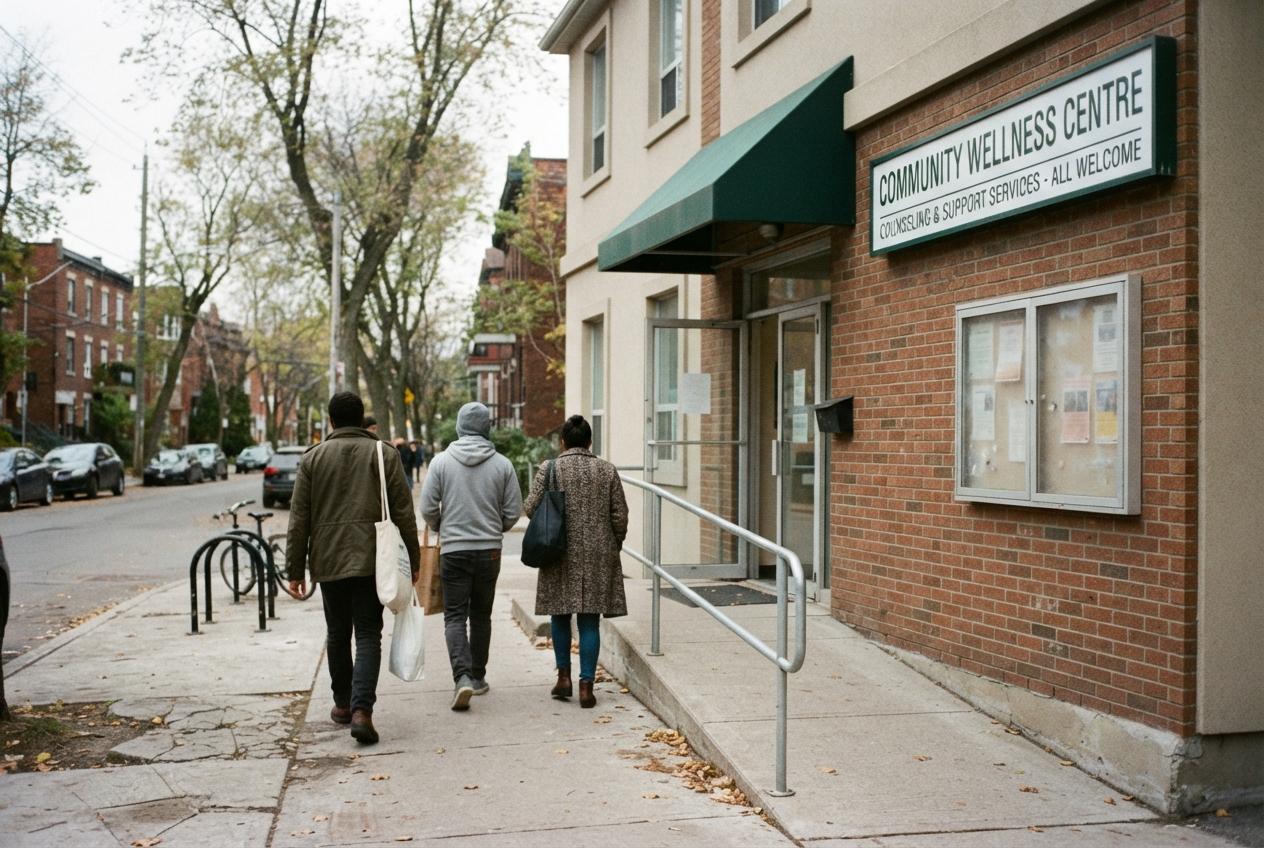
Short-term relief is vital, but sustained wellbeing usually comes from steady networks. Community health centres and LGBTQ+ centres often curate vetted therapist lists and run peer groups that feel warm and practical. Psychology Today’s LGBTQ+ Therapist Directory remains one of the easiest starting points for filtering by location, insurance, specialty and gender-affirming experience.
If you live near a university or larger hospital, look into dedicated gender and sexuality clinics , they often combine medical and mental health care. And don’t underestimate peer-led groups; they provide shared language and lived experience that formal therapy sometimes misses.
Global access varies , how the UK and Australia stack up
Access depends a lot on where you are, but the trend is encouraging: more national services now add inclusive pathways. In the UK, organisations such as Samaritans and Mind offer tailored guidance and NHS referral routes that can link you to affirming care. Down under, QLife provides free, anonymous peer support by phone and webchat, while Lifeline and Beyond Blue increasingly aim to connect LGBTQ+ callers with trained, non-judgemental counsellors.
If your country lacks a specialist service, identify national mental health numbers that advertise LGBTQ training, and pair them with online directories or local community groups for follow-up care.
Practical help at home , what parents and friends can actually do
Family acceptance isn’t abstract; it’s concrete and protective. Research compiled by The Trevor Project shows that using a young person’s chosen name and pronouns, avoiding demands to “prove” identity, and listening without judgement can substantially lower suicide risk. Small, consistent actions matter: swap a name in conversation, correct someone who misgenders a friend, or ask, “How are you doing?” without immediate advice.
If you’re supporting someone through transition or dysphoria, practical aids like comfortable clothing, discreet packing or binding advice, and logistics for appointments reduce everyday stress. These everyday gestures don’t replace therapy, but they make it easier for someone to breathe and function between sessions.
Closing line Reach out , even one conversation, or one small act of acceptance, can change the shape of a hard season.
Source Reference Map
Story idea inspired by: [1]
Sources by paragraph: