Shoppers and supporters are watching as Grindr leans into public health , the dating app has pledged to link 10 million LGBTQ+ people to HIV prevention services by 2028, aiming to tackle the gap between PrEP awareness and actual access where funding and local laws fall short.
Essential Takeaways
- Bold commitment: Grindr for Equality will connect 10 million people to HIV prevention services, including PrEP, testing and doxyPEP, by 2028.
- Wide reach: The app serves about 15 million monthly users across roughly 190 countries, making it a powerful channel for health messaging.
- Proven groundwork: Since 2022 Grindr has distributed more than 600,000 HIV self-tests through in-app campaigns and partnerships.
- Local sensitivity: Grindr emphasises working with 400+ community partners to tailor messaging by country and culture, so the tone fits local needs.
- Persistent barriers: Awareness of PrEP is high, but access is limited by shrinking global funding and legal hurdles in many regions.
Why this pledge matters now
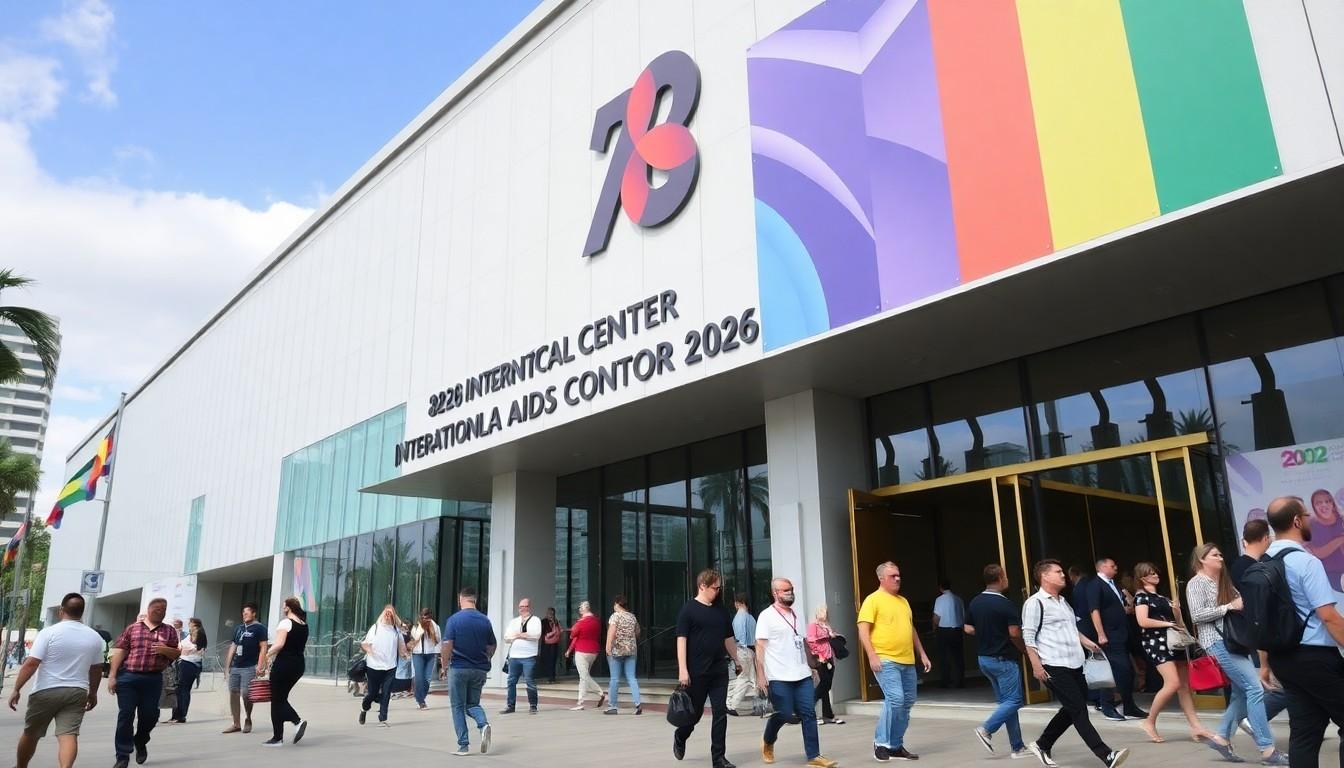
Grindr unveiled the pledge at the 2026 International AIDS Conference in Rio, pointing to a stark mismatch: people know about PrEP but often can’t obtain it. That gap matters because awareness without access leaves at-risk communities exposed. The promise to reach 10 million people over two years is ambitious, and it leans on Grindr’s existing in-app infrastructure , a place many users already turn to for sexual health information.
Context matters here. According to Grindr’s own research, surveys across multiple countries show knowledge is high but uptake stalls where services aren’t easily available or funding has been cut. The timing is significant: global support for HIV programmes has wavered recently, so private-sector steps like this can fill crucial holes.
How Grindr plans to do it , practical and local
Grindr plans to deliver information and direct referrals inside the app , think testing locations, clinic referrals, PrEP sign-ups and access to newer tools such as doxyPEP. The company has been building this capability for years; in 2025 it ran more than 1,200 campaigns in 71 countries and produced content in dozens of languages. That experience gives them practical muscle to scale up quickly.
They’re not going in blind. Grindr for Equality works with local NGOs and health providers to shape how messages are presented, because what persuades people in one place can alienate them in another. That means sex-positive creative where it’s safe, and more straightforward public-health tone where credibility matters.
Legal and funding hurdles they’ll face
Reality bites: Grindr operates in many countries where being gay is criminalised, and in around 60 nations users face legal risks simply for existing. That creates practical and ethical complications when trying to connect people to care. Plus, the global pool of public funding for HIV prevention has been shrinking, which is a major reason access lags behind awareness.
So while the app’s reach is vast, success depends on trusted local partners and discreet, secure delivery of services. Grindr says it’s mindful of those risks and builds campaigns with privacy and safety in mind , a necessity when users’ lives could be endangered by exposure.
What this means for people who need PrEP
If you’re already on PrEP, this pledge may make follow-up testing and supply easier in some places. If you’ve heard of PrEP but couldn’t find a clinic or prescription, Grindr’s in-app referrals could be a practical first step. The app has already helped distribute hundreds of thousands of self-tests, which shows the model can move from messaging to tangible services.
A few tips if you’re seeking PrEP via an app: check local partner credentials, confirm privacy safeguards, and ask if referrals are linked to subsidised or free programmes. Where access is restricted, community organisations listed through the app may offer legal or advocacy support as well as health services.
Looking ahead , can apps close the gap?
Grindr’s promise is a reminder that tech platforms can be more than meeting places; they can act as bridges to health and rights. According to the company, partnerships with groups such as amfAR and the International AIDS Society back the plan, which helps with credibility. Still, the real test will be whether these referrals turn into sustained access , prescriptions filled, tests taken, and prevention maintained.
There’s cautious reason for optimism. The infrastructure is already in place and the company says it’s spent a decade building relationships. But lasting progress will require continued funding, protective laws, and on-the-ground services that can receive the people these campaigns reach.
It's a small change that can make every bite of prevention count.
Source Reference Map
Story idea inspired by: [1]
Sources by paragraph: