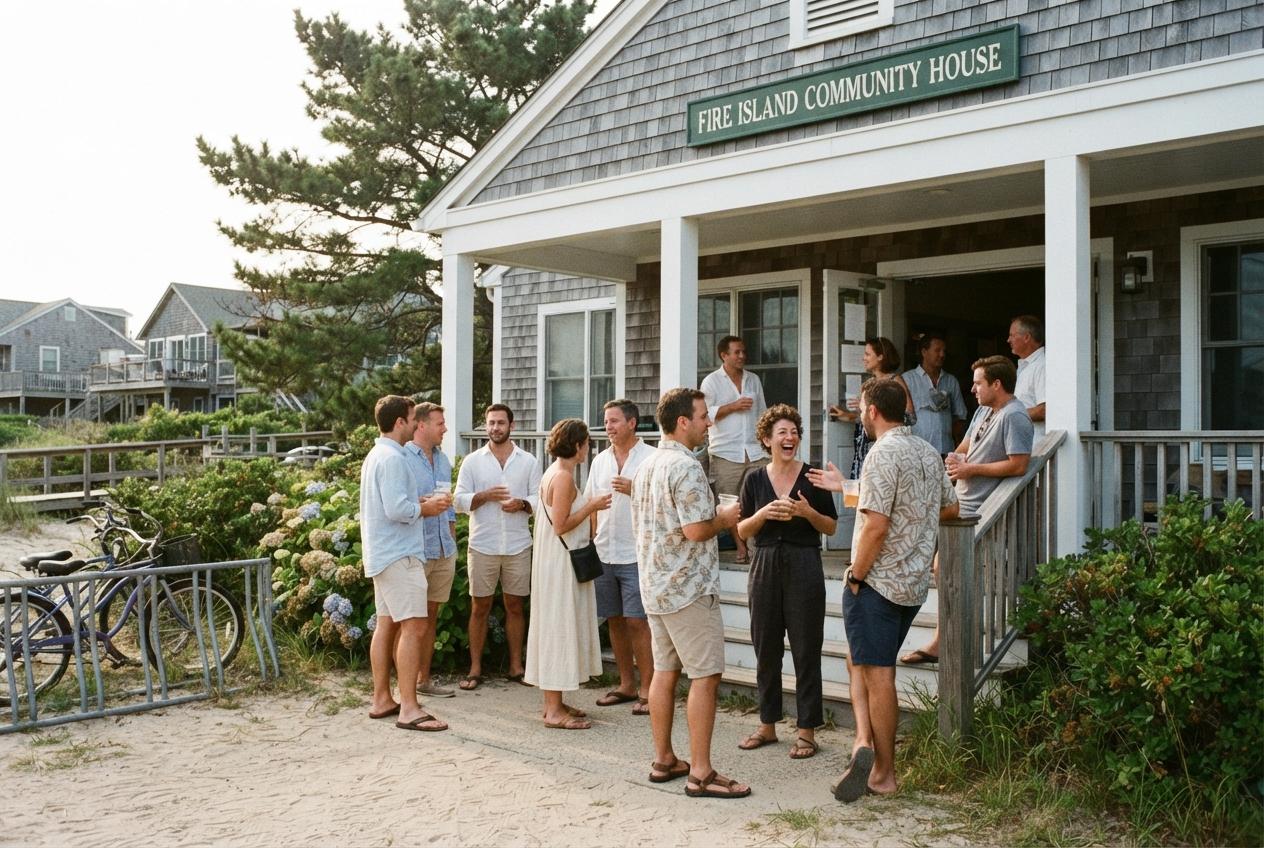
Shoppers and vacationers might know Fire Island for its sand and sunsets, but photographers and queer communities know it for something else , the messy, incandescent life that plays out each summer. Photographer koitz has been following those summers for years, and his images show why the island matters to LGBTQ+ culture and memory.
Essential Takeaways
- Long-term archive: koitz has documented Fire Island since 2006, building a decade-plus visual record that reads like social history.
- Candid approach: He works without staging, favouring observation and serendipity over posed shots, which gives photos an authentic, lived-in feel.
- Iconic events: The Fire Island Underwear Party is a recurring subject , now in its 25th year , and a touchstone for many memorable images.
- Respect for privacy: koitz filters what he publishes, keeping the island’s spirit of escape intact and protecting vulnerable moments.
- Everyday magic: His favourites are small, absurd moments , a partner masked in aloe leaves , that capture the island’s levity.
Why koitz keeps coming back: the pull of rhythm and ritual
He first went regularly to Fire Island in 2006 and, like plenty of visitors, it took a while before the place revealed itself. The lure is sensory , the heat of a crowded dance floor, the hush of the sunken forest , and emotional: a summer ritual that erases weekday rules. Over the years the camera turned habitual. According to koitz, what began as casual snapshots slowly became an inadvertent archive of queer life, full of faces, fashions and vanished places.
The backstory matters because it explains the intimacy in his work. He didn’t set out to be a historian; he was keeping his eyes open. That makes his photos feel lived-in rather than curated, and that honesty is why they resonate beyond the party scene.
How candid shooting makes better queer history
Koitz shoots without a checklist, avoiding direction and letting moments arrive. He watches with one eye at the viewfinder and another on the room, which results in images that breathe. This method means you get dancers mid-leap, private conversations on the sand, and the kind of glances that wouldn’t survive a posed portrait.
This approach also creates unexpected archive value. He often discovers, years later, pictures of people and places that no longer exist , old venues lost to fire or friends who moved on. Those accidental records are the sort of detail historians wish for, and they underline why everyday photography can become cultural testimony.
The Underwear Party: a quarter-century of electricity
Few parties have become shorthand for Fire Island nightlife like Daniel Nardicio’s Underwear Party. It’s been on koitz’s calendar year after year; he says it even deserves its own chapter. The event has hosted DJs, drag acts and performers who later blew up , he remembers shooting Lady Gaga before she was a global pop force.
That continuity is useful. Photographing a recurring event lets a photographer track change: fashions shift, crowds age, and the mood evolves. For readers deciding which images to trust as cultural documents, a long-running series like this provides a through-line that single-night snaps can’t match.
Balancing exposure and escape: the ethics of island photography
Fire Island is a refuge, and koitz treats it that way. He asks himself whether he’d be comfortable seeing an image published, a simple litmus test that keeps private moments private. People go there to let go of mainland hierarchies, and a photo taken in the moment can feel like a betrayal if used carelessly.
Practical tip: If you’re a photographer covering intimate scenes, be explicit about consent and err on the side of discretion. For viewers and collectors, context matters , captions that explain when and why an image was taken help preserve dignity.
Small moments that tell the biggest stories
Koitz resists grand panoramas in favour of the absurd and personal. One of his go-to images is of his husband with aloe leaves over his face, pretending to be a lizard , funny, private and oddly universal. These are the pictures that convey what Fire Island actually feels like: ridiculous, tender and a little wild.
That’s the broader lesson for lovers of documentary photography. The archive worth keeping isn’t only the celebrity cameo or the landmark venue; it’s the quiet, silly, human instants that stitch a community together.
It's a small change that can make every summer memory safer and more meaningful.
Source Reference Map
Story idea inspired by: [1]
Sources by paragraph: